
Size
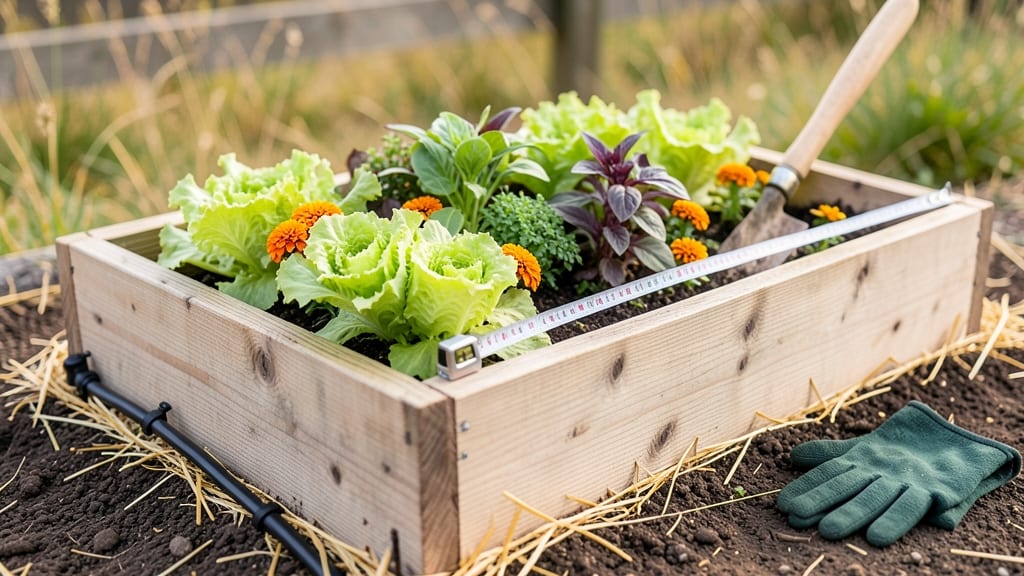
The average raised bed size ranges from 4 feet by 8 feet (ideal for most home gardens) to 3 feet by 6 feet (compact options), with a depth of 6 to 12 inches for optimal root growth and accessibility. Standard widths allow easy reach from both sides, while length varies based on space and planting needs.
When selecting raised bed dimensions, the width is the most critical factor—most gardeners choose 4 feet or less to avoid reaching across the bed, which can compact soil and strain your back. 🌱 The length can stretch to 12 feet for larger gardens, but longer beds require sturdy frames to prevent sagging.
Depth matters too: while 6 to 12 inches is standard, deeper beds (up to 18 inches) are ideal for root crops like carrots or potatoes. Many gardeners start with a 4x8-foot bed as a versatile middle ground that accommodates everything from leafy greens to bush beans.
Beyond the numbers, consider your planting goals—herbs and salad greens thrive in smaller spaces, while tomatoes and peppers need more room to spread. Corner beds or curved designs maximize small spaces, while modular systems let you expand as your gardening skills grow.
The key is balancing size with your available space and how much you plan to harvest. 💫
💡 In This Article
- How Raised Bed Dimensions Impact Plant Growth and Yield
- Choosing the Best Raised Bed Size for Your Garden Layout
How raised bed dimensions impact plant growth and yield
Root development is the primary reason why raised bed dimensions matter so much.
Plants need 6 to 12 inches of soil depth to establish strong root systems—this depth allows vegetables like carrots and potatoes to grow fully, while shallower roots of herbs and leafy greens thrive in the top 4 to 6 inches.
The science here involves soil aeration: deeper beds prevent compaction, letting roots access oxygen and nutrients more efficiently. 🌱 For example, a 4x8-foot bed with 10-inch depth can support both shallow-rooted lettuce and deeper-rooted radishes in the same space, maximizing your harvest potential.
Width directly affects your gardening experience and plant health. Most experts recommend no more than 4 feet across—this ensures you can reach the center without stepping on the soil (which compacts it) or straining your back.
The ergonomic benefit is clear: studies show that reaching beyond 2 feet increases the risk of muscle strain by 30%.
Narrower beds (3 feet) work well for small gardens or when planting tall crops like corn, while wider beds (4 feet) give you more planting space for vegetables that need room to spread, like zucchini or pumpkins.
Length creates opportunities for creative planting strategies. While 8-foot beds are standard, longer beds (10 to 12 feet) let you grow more of the same plants in a row, which is ideal for crops like beans or peas that benefit from pollination in dense clusters.
However, longer beds require sturdier frames—wooden beds can sag over time, especially when wet. For example, a 4x12-foot bed might need additional support beams every 4 feet to prevent warping. The trade-off? More length means more yield, but also more maintenance to keep the structure intact. 💫
Soil volume is another critical factor. A 4x8-foot bed with 10-inch depth contains about 2.7 cubic feet of soil—enough to grow 4 to 6 plants of most vegetables. This volume ensures consistent moisture and nutrient distribution, which is harder to achieve in ground-level gardens where soil can dry out unevenly.
For comparison, a 3x6-foot bed holds roughly 1.3 cubic feet—perfect for herbs or salad greens but too small for heavy feeders like tomatoes. The deeper the bed, the more water it retains, reducing your need for frequent watering.
Plant spacing also ties into bed dimensions. In a 4x8-foot bed, you can typically fit 2 rows of most vegetables with 12 to 18 inches between plants, depending on their mature size. This spacing prevents competition for nutrients and reduces disease spread.
For instance, tomato plants need 18 to 24 inches of space, while basil can thrive in 6 to 12 inches. A well-planned layout in a properly sized bed can double your yield compared to crowded ground planting.
The key is matching your bed dimensions to your plant varieties—herbs and greens fit neatly in smaller spaces, while larger crops need room to thrive. ✨
Don't overlook the microclimate effects of bed size. Smaller beds (3x6 feet) warm up faster in spring, giving you an earlier start on cool-season crops like spinach or peas.
Larger beds (4x8 feet or more) create more stable temperatures, which is better for heat-sensitive plants like cucumbers. The depth of the bed also plays a role: deeper beds (12+ inches) stay cooler in summer, protecting roots from heat stress.
These nuances explain why many gardeners start with a 4x8-foot bed—it strikes the perfect balance between productivity, accessibility, and adaptability to different growing conditions. 🌿