
Mower
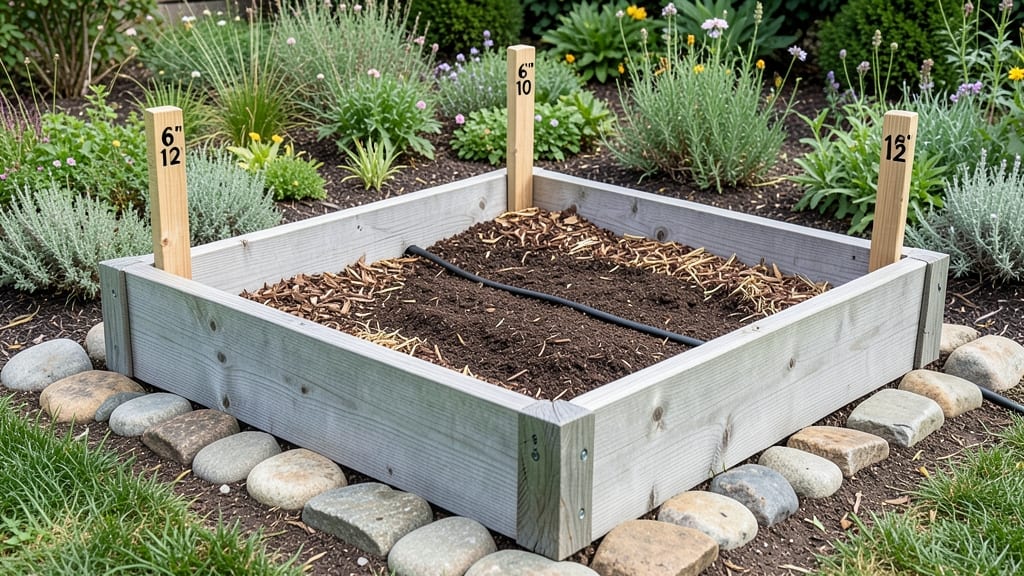
Your raised bed height isn't just about aesthetics—it's the foundation for healthier roots and bigger harvests. 🌱 After years of trial and error (and a few failed tomato plants), I learned that standard 6-inch beds often leave roots cramped, while 12-inch beds can feel like a luxury for most plants.
The sweet spot? 10-12 inches for vegetables and 8-10 inches for flowers—enough depth to prevent root binding while keeping construction manageable.
Here's the thing—soil depth matters more than you think. Carrots and potatoes need that extra space to grow, while shallow-rooted herbs like basil thrive in 6-inch beds. Tall beds (14+ inches) improve drainage and accessibility but require more soil and labor.
I built a 12-inch bed last spring, and my zucchini vines exploded with growth—no more stunted plants or wasted space. The trade-off? Deeper beds warm up slower in spring, so plan accordingly for cool climates.
Accessibility shouldn't be an afterthought, either. A 12-inch bed with 2-3 feet of width lets you garden without bending, while 18-inch tall beds can be modified with benches or kneeling pads.
My neighbor with mobility issues now grows her own tomatoes thanks to a raised bed at counter height—no more struggling with in-ground plots. The right height turns gardening from a chore into a joy, and the plants reward you with stronger stems, deeper roots, and more abundant blooms.
Pro tip: Test your soil first. If your native soil is rocky or clay-heavy, deeper beds help, but if it's already rich, you might get away with less. And remember—drainage is key.
A bottom layer of hardware cloth or landscape fabric prevents soil loss while allowing water to flow freely. Once you nail the height, your garden will thank you for years to come.
📚 In This Guide
- What you need
- Instructions
- Tips and common mistakes
- Wrapping up and next steps
What you need
- ● Untreated lumber or cedar boards: 2x6 or 2x8 boards (12–16 ft long, depending on bed size). Pro tip: Cedar resists rot naturally! 🌲
- ● Corner brackets or galvanized screws: 2.5-inch deck screws (12–20 pieces) or heavy-duty corner braces for stability.
- ○ Landscape fabric or hardware cloth: (Optional but recommended) To block weeds/rodents; cut to fit bed dimensions.
- ● Drill/driver: With a 1.5-inch spade bit for drainage holes (if using bottom panels).
- ● Measuring tape: For precise raised bed height (aim for 6–12 inches for most veggies, 12–18 inches for deep-rooted plants).
- ● Level: To ensure your bed sits straight and even.
- ● Compost/soil mix: High-quality topsoil (avoid garden soil with weeds/clods!). Pro tip: Mix in compost for nutrients! 🌿
- ● Galvanized nails or staples: For securing landscape fabric.
- ● Wood stain/sealant: (Non-toxic!) To extend lumber life.
- ● Drip irrigation kit: For hassle-free watering.
- ● Thermometer/hygrometer: To monitor soil conditions.
Instructions: building the optimal raised bed height
Here's how to design a raised bed that maximizes root growth while avoiding common pitfalls.
🪴 Step 1: Determine Your Planting Depth Requirements
Most vegetables and herbs need at least 12 inches of soil depth to develop strong root systems. Deep-rooted plants like asparagus, potatoes, and tomatoes require 18-24 inches of growing space. I always check the plant's mature root depth before designing—this ensures you won't end up with stunted crops later.
For mixed vegetable beds, 12-18 inches is a practical compromise that accommodates most annuals. If you're growing heavy feeders like corn or squash, consider building in two layers: a 12-inch base layer for shallow roots and an additional 6-inch extension for deeper varieties. This modular approach lets you customize without overbuilding.
📏 Step 2: Calculate Your Frame Height Based on Soil Composition
The finished height should account for both the frame materials and the soil volume. Cedar or redwood frames typically add 2-4 inches to the overall height, while composite or metal frames may add slightly less. For example, a 12-inch soil depth in a cedar frame requires a 14-16 inch frame height to accommodate the wood thickness.
I like to use the "one-third rule" for soil composition: one-third compost, one-third topsoil, and one-third perlite or coarse sand for drainage. This means your 12-inch soil depth will actually require 16-18 inches of frame height to hold the mix properly. Always add 2-3 inches extra for settling—organic matter compresses over time, especially when watered.
🌱 Step 3: Build for Optimal Root Zone Conditions
Construct the frame with 16-inch sides for standard vegetable beds, allowing 12 inches of soil plus 4 inches of frame material. Use corner brackets or sturdy stakes to prevent warping—nothing ruins a raised bed faster than a frame that sags under wet soil. I reinforce the bottom with landscape fabric to block weeds while allowing water drainage.
For beds over 18 inches, add intermediate horizontal supports every 3 feet to prevent bowing. The deeper the bed, the more critical stability becomes—you don't want the sides collapsing when you're filling it with heavy compost. Leave 1 inch of space between the frame's inner edge and the soil surface to prevent spillage during watering.
💧 Step 4: Layer for Perfect Drainage and Nutrient Retention
Start with a 2-inch layer of coarse gravel or broken pottery at the bottom for drainage. This prevents waterlogging while allowing excess moisture to escape. Next, add 4 inches of composted wood chips or straw to improve soil structure and aeration—this is especially important in deeper beds where compaction can become an issue.
Fill the remaining space with your prepared soil mix, tamping lightly every 4 inches to eliminate air pockets. The top 2 inches should be a blend of potting soil and compost for ideal seedling establishment. Water thoroughly after filling to help settle the layers and eliminate gaps.
✂️ Step 5: Adjust for Long-Term Settling and Expansion
All organic materials settle over time, so plan for 20-30% additional volume in your soil calculations. A 12-inch bed might actually need 16-18 inches of frame height to maintain proper depth after settling. I always overfill slightly—better to have extra soil than to discover your tomatoes need deeper roots after planting.
For beds over 24 inches, consider adding removable side panels. This lets you adjust the height seasonally—lower in spring when moisture is abundant, higher in summer when evaporation increases. The key is maintaining that 12-inch minimum** for most vegetables while accounting for the natural compression of organic materials.
Tips & tricks for perfect raised bed dimensions
These science-backed strategies will help you design a raised bed that thrives with optimal root development.
Root Depth Reality Check: That 12-inch soil depth you're planning? It's not just about empty space—it's about creating a thriving ecosystem. The top 6 inches of soil contains 80% of your plant's roots, but deeper varieties like tomatoes need that full 18-24 inches to access nutrients and water. I always verify a plant's mature root depth before designing—nothing's worse than planting tomatoes in a 12-inch bed and watching them struggle. Check seed packets or plant databases for specific needs.
Frame Material Matters: Cedar and redwood frames add 2-4 inches to your height calculation, while metal or composite frames may add less—but don't skimp on thickness. Thin materials warp under wet soil, and warped frames create uneven soil distribution. I've seen beds collapse under heavy compost loads when using flimsy materials. For beds over 18 inches, add horizontal supports every 3 feet to prevent bowing—this is especially critical for deeper beds filled with heavy, wet soil.
Soil Settling Strategy: The 20-30% extra volume I mentioned isn't just a guess—it's based on real-world settling rates. Organic matter compresses significantly after watering, and that 12-inch bed you built might end up with only 9 inches after the first heavy rain. I always overfill by 2-3 inches and use a mix of compost, topsoil, and perlite to maintain porosity. The top 2 inches of potting soil blend is particularly important for seedling establishment—it provides that perfect balance of moisture retention and aeration.
Pro Tips for Raised Bed Height
- These science-backed strategies will help you design a raised bed that thrives with optimal root development.
- Root Depth Reality Check: That 12-inch soil depth you're planning?
- Frame Material Matters: Cedar and redwood frames add 2-4 inches to your height calculation, while metal or composite frames may add less—but don't skimp on thickness.
Frequently asked questions
Got questions about raised bed height?
You’re not alone! Whether you’re a first-time gardener or a seasoned green thumb, the right dimensions can make all the difference. Here are answers to the most common questions—plus a few pro tips to set you up for success.
What’s the ideal raised bed height for most vegetables?
The standard recommendation is 6 to 12 inches deep, but 10 to 12 inches is ideal for root crops (like carrots or potatoes) and deep-rooted plants (e.g., tomatoes or squash). Shallower beds (4–6 inches) work for greens, herbs, or strawberries. Pro tip: If your soil is poor, 12+ inches lets you fill with nutrient-rich mix without compacting native soil below.
How long does it take for roots to adjust to a deeper bed?
Most plants adapt within 2–4 weeks, especially if transplanted carefully. Deep-rooted varieties (like asparagus or artichokes) may take up to 3 months to fully establish. Troubleshooting tip: If leaves yellow or growth stalls, check moisture levels—deeper beds dry out faster! Water deeply 2–3 times per week until roots stabilize.
Can I use a raised bed that’s too shallow for my plants?
Yes, but with workarounds! For root crops, opt for container gardening (e.g., 12-inch-deep pots) or plant varieties with shorter roots (like radishes or bush beans). For deep-rooted plants, prune lower leaves to encourage upward growth or side-dress with compost to boost root expansion. Warning: Shallow beds limit long-term yields for heavy feeders like corn or pumpkins.
How do I extend the height of an existing raised bed without rebuilding?
No need to tear it down! Layer additional lumber or cinder blocks along the inside edges, then fill with fresh soil mix. For a low-cost fix, use landscape fabric to separate old and new layers and prevent mixing. Time-saver tip: Pre-mix soil amendments (compost, perlite) before adding to avoid multiple trips. Top off with 2–3 inches of mulch to retain moisture.
Will a taller raised bed attract more pests like rodents or insects?
Not necessarily—height alone doesn’t increase pests, but poor drainage or organic buildup can. Prevent issues by:
- Using hardwood or cedar (naturally pest-resistant).
- Adding a 1-inch gravel layer at the bottom for drainage.
- Rotating crops yearly to disrupt pest cycles.
Wrapping up and next steps
Choosing the right raised bed height isn’t just about aesthetics—it’s a game-changer for your plants’ success! 🌱 Whether you’re growing deep-rooted veggies or shallow herbs, science-backed dimensions ensure healthier roots, better drainage, and less back strain for you.
Now that you’re armed with the perfect measurements, it’s time to get digging!
Ready to transform your garden? Start by sketching your design, gathering materials, and measuring your space. Your future harvests will thank you! 🚀