
Flowers
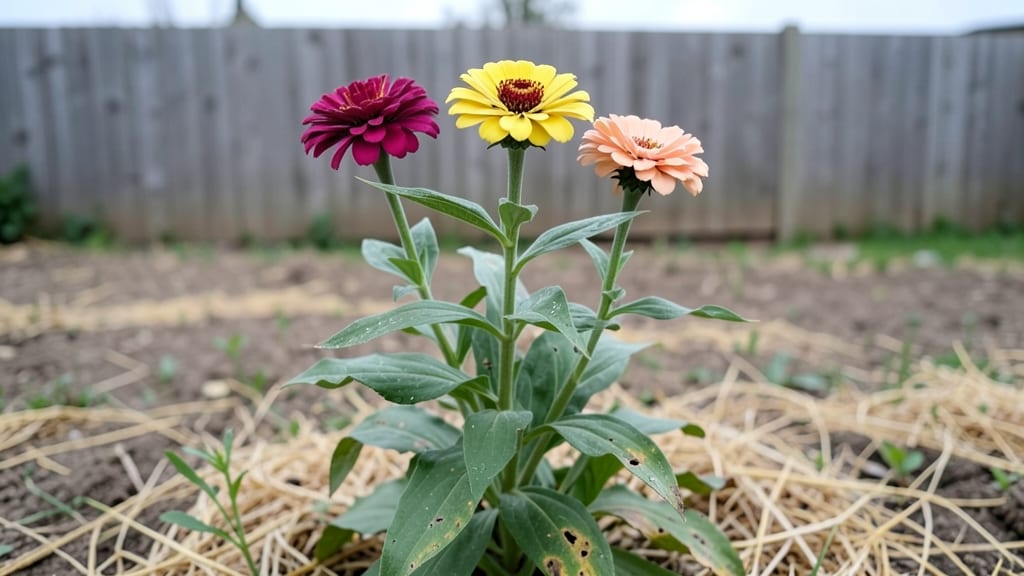
Zinnia flowers are not perennials in most climates—they die back after frost and must be replanted each spring. However, in warm, frost-free zones (USDA 9-11), they may self-seed or persist as short-lived perennials with proper care.
Zinnia flowers are classified as annuals because they complete their life cycle in one growing season, especially in colder regions where frost kills them back to the ground. 🌱 The key difference lies in their response to temperature: while most varieties won't survive winter, tropical climates allow them to regrow from roots or self-sow.
This behavior makes them ideal for gardeners who want vibrant blooms each year without long-term commitment.
For those in cooler zones, selecting late-blooming varieties or harvesting seeds before frost can extend their presence. The trade-off? Annual zinnias offer more predictable blooms, while perennial-like behavior in warm areas requires less replanting effort.
💡 In This Article
- Zinnia Flower Lifespan: Annual vs Perennial Behavior
- Extending Zinnia Blooms: Winter Survival Tips for Gardeners
Zinnia flower lifespan: annual vs perennial behavior
Zinnias are classified as annuals because their life cycle is tied to seasonal temperature shifts. In temperate zones, these vibrant bloomers complete their growth—from seed to mature plant producing flowers—in just 90-120 days.
The critical trigger is frost: when temperatures drop below 28°F (-2°C), the plant's cellular membranes rupture, causing irreversible damage. This biological response explains why zinnias collapse after winter rather than entering dormancy like true perennials.
The distinction lies in their root systems.
Annual zinnias develop shallow, fibrous roots that store minimal energy reserves, unlike perennials which build robust root crowns to survive winter. 🌱 In cold climates, even well-established zinnias can't recover from frost damage because their root systems lack the carbohydrate stores needed for regrowth.
This explains why gardeners must replant seeds yearly in zones colder than USDA 8.
However, tropical climates (USDA 9-11) create exceptions. Here, zinnias may behave like short-lived perennials because they experience no frost. Some varieties, like 'Benary's Giant', develop stronger root systems that persist between seasons, especially when grown in well-draining soil with consistent moisture.
The key difference is these plants don't die back completely—they may produce smaller foliage during winter months before reblooming vigorously in spring.
Self-seeding adds another layer to their behavior. When zinnias mature, they release thousands of seeds that scatter naturally.
In warm climates, these seeds germinate spontaneously the following season, creating the illusion of perennial growth. 💫 This natural propagation explains why zinnias often appear year after year in tropical gardens without human intervention, despite being botanically classified as annuals.
What most gardeners overlook is how day length affects this behavior. Zinnias are short-day plants, meaning they flower in response to decreasing daylight hours.
In northern climates, this triggers their annual life cycle, but in equatorial regions, the consistent 12-hour days prevent this flowering signal, allowing plants to focus energy on root development instead of reproduction.
The science behind this involves photoperiodism—the plant's internal clock that responds to light duration. When days shorten below 12 hours, zinnias shift from vegetative growth to flowering, exhausting their energy reserves.
This physiological response explains why they can't persist through winter in temperate zones, as their entire energy budget is spent on annual reproduction rather than storage.
For those in marginal zones (USDA 8-9), selecting late-blooming varieties like 'Crystal' series can extend their season by delaying frost exposure. These plants may survive mild winters if protected with 3-4 inches of mulch, though they'll still produce weaker growth compared to their tropical counterparts.