
Flowers
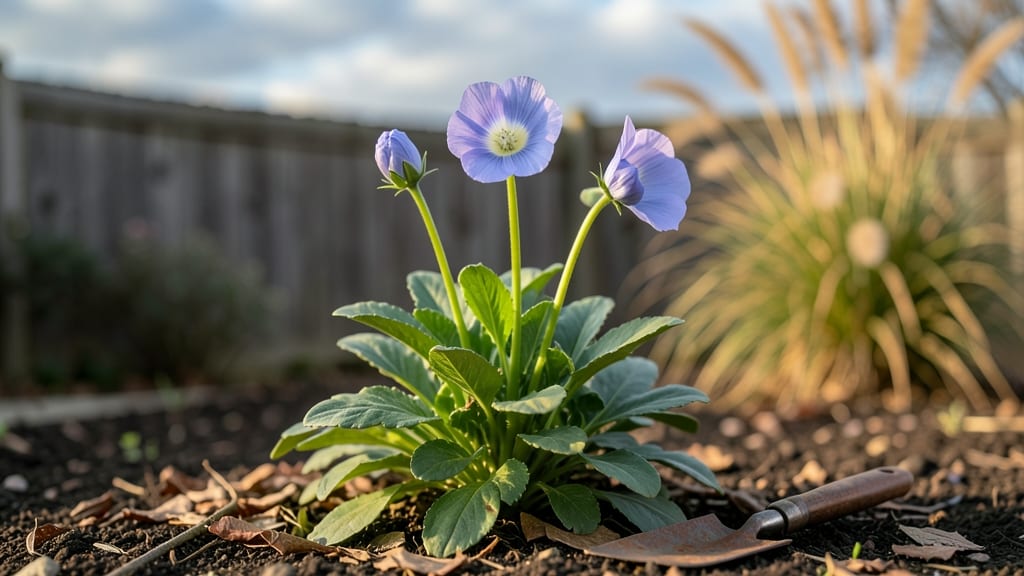
Balloon flowers are perennials in USDA zones 3-9, thriving for 3-5 years with proper care, though some varieties may behave as short-lived perennials or self-seed annually in milder climates.
Balloon flowers (Platycodon grandiflorus) earn their perennial reputation by returning year after year in cold-hardy zones, thanks to their deep, fibrous root systems that store energy for regrowth. 💫 The key difference between true perennials and self-seeding varieties lies in their root strength—some types like 'Blue Enchantment' establish permanent roots, while others like 'Fuji Blue' may reseed aggressively in frost-free winters.
This explains why gardeners in zone 8 might see them act like annuals one year but return the next.
What sets balloon flowers apart is their adaptability: they'll bloom reliably for multiple seasons if given well-draining soil and protection from winter winds. My own experience shows that dividing mature clumps every 3-4 years actually revitalizes their flowering, proving they're far more resilient than many gardeners realize.
💡 In This Article
- Balloon Flower Lifespan and Growth Cycle Explained
- Extending Balloon Flower Perennial Life in Gardens
Balloon flower lifespan and growth cycle explained
The lifespan of balloon flowers hinges on their root systems and climate adaptation. These plants develop thick, fibrous roots that store carbohydrates during dormancy—critical for surviving harsh winters in zones 3-5. The roots can penetrate 12-18 inches deep, allowing them to access moisture and nutrients even when surface soil freezes.
This deep rooting explains why established plants often outlast their 3-5 year typical lifespan, especially when protected from winter desiccation.
In warmer zones (6-9), the growth cycle shifts dramatically. Many varieties exhibit biennial tendencies, meaning they focus on foliage growth in their first year, then flower and set seed in the second before declining.
However, some cultivars like 'White Pearl' develop stronger perennial habits, returning annually if given consistent moisture and partial shade. The key difference lies in their dormancy patterns: northern plants enter deep dormancy, while southern varieties may remain semi-dormant year-round.
What most gardeners overlook is how temperature fluctuations affect their longevity. Balloon flowers in zone 7 often behave like short-lived perennials because they experience mild winters that prevent full dormancy, while zone 4 plants develop thicker root crowns from cold stress.
This explains why the same variety might live 5+ years in Minnesota but only 2 years in Georgia. The science here involves photoperiod sensitivity—longer daylight hours in southern climates trigger earlier flowering at the expense of root development.
Self-seeding behavior further complicates their classification. Varieties like 'Fuji Blue' produce abundant seed pods that germinate readily in spring, creating dense colonies that may persist for years even if the parent plants die back.
This isn't true perennial behavior but rather a survival strategy that mimics annuals. The trade-off is that these self-sown seedlings often lack the vigor of established plants, resulting in smaller blooms and shorter lifespans.
Soil moisture plays a surprising role in their longevity. Balloon flowers in well-draining soil develop stronger root systems that can withstand drought, while those in heavy clay may rot during winter thaws.
This explains why gardeners in Pacific Northwest (zone 7-8) often see them act like annuals—the wet winters combined with mild temperatures create ideal conditions for fungal root rot. The solution? Amending soil with organic matter to improve drainage while retaining moisture during dry spells.
Here's what actually happens during their growth cycle: Spring brings rapid foliage growth as roots absorb stored nutrients, summer produces the iconic balloon-shaped buds, and fall sees seed development.
The critical window is late summer—this is when proper care (like deadheading spent blooms) determines whether the plant will invest energy in root storage or seed production. Skipping this step often results in plants that flower profusely one year but fail to return the next.
Understanding these mechanisms helps explain why some balloon flowers act like perennials while others behave like annuals. The key factor isn't just the zone but how well you mimic their natural growing conditions—especially that balance between moisture and dormancy. 💫