
Flowers
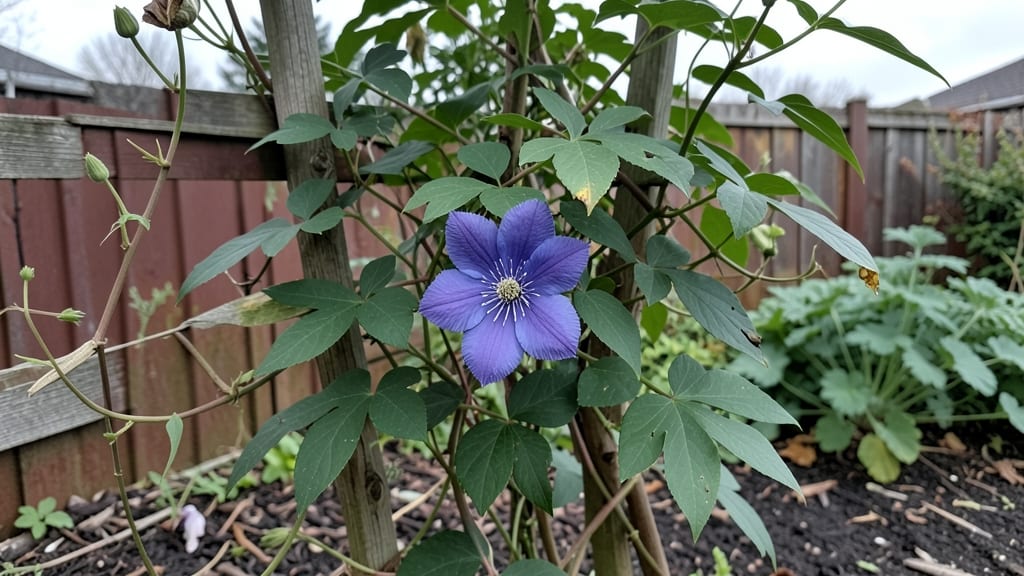
Growing clematis perennial plants 🌸 means unlocking a vine that can climb to 20 feet and shower your garden with blooms for years—if you get the timing right.
Struggling to keep your clematis blooming beautifully year after year? The secret isn’t just in the soil or sunlight—it’s in mastering the art of pruning at the right time. I’ve seen vines go from sparse to bursting with flowers just by adjusting when I cut back.
These hardy perennials thrive in USDA Zone 6a and beyond, but their blooming cycle hinges on one critical step: knowing exactly when to prune. Skip this, and you might end up with bare stems or missed seasons.
In this guide, I’ll walk you through the exact pruning schedule for your clematis type, plus how to spot mistakes before they ruin your blooms. Ready to transform your vine into a flowering powerhouse?
How to prune clematis perennial plants by bloom type (early vs. late)
Pruning clematis can feel overwhelming, but understanding your plant’s bloom type is the first step to success.
Clematis are divided into three pruning groups, each requiring a unique approach to encourage abundant flowers. Group 1 blooms early on last year’s growth, while Groups 2 and 3 bloom late on new growth—or both! Mis-pruning can mean fewer blooms or even no flowers at all.
Let’s break down the key differences so you can prune with confidence.
Your clematis’ pruning group determines when and how much to cut back. Early bloomers (Group 1) need minimal pruning, while late bloomers (Groups 2-3) thrive with aggressive cuts. Evergreen clematis, like Clematis armandii, have their own rules.
The goal? Preserve flower buds while promoting healthy growth. Without proper pruning, you might accidentally remove next year’s blooms before they even form.
⚠️ Critical Tip: Always prune with sharp, clean tools to avoid damaging stems. Disinfect your pruners with rubbing alcohol between cuts to prevent disease spread. I’ve seen many gardeners skip this step and end up with brown, mushy stems—a sure sign of infection.
Here’s a quick comparison of the three pruning groups to help you identify yours:
For Group 1 clematis, prune right after flowering—never in late winter. These plants set flower buds in summer, so cutting back too early removes next year’s blooms.
I once pruned my 'Jackmanii' in February and was left with bare stems all season. Lesson learned: patience is key!
If you have Group 2 or 3 clematis, prune in late winter or early spring before new growth starts. Aim to cut back to 2-3 strong buds from the base.
This encourages vigorous new growth and more blooms. Use your pruners to make clean cuts at a 45-degree angle just above a bud facing outward.
Evergreen clematis, like 'Armandii', are the easiest to prune. Simply shape lightly after flowering to maintain their form. Avoid heavy pruning, as these plants bloom on current year’s growth and need their foliage to photosynthesize.
Think of them as living sculptures—just a little trimming keeps them looking their best.
Always use sterilized pruning shears or loppers for larger stems. I recommend a bypass pruner for clean cuts without crushing stems. If your clematis has thick, woody stems, loppers or a pruning saw will make the job easier. Never use hedge trimmers—they tear stems and invite disease.
After pruning, apply a layer of mulch around the base to retain moisture and protect roots. Water deeply to help the plant recover. In hot climates, provide afternoon shade to prevent stress. I’ve seen clematis wilt dramatically after pruning if not given proper care afterward.
Finally, mark your calendar! Group 1 needs pruning in June-July, while Groups 2-3 wait for February-March. Evergreens can be pruned anytime after flowering. By following these guidelines, you’ll enjoy more blooms and healthier vines all season long.
Step-by-step pruning timeline: when to cut for maximum blooms
Pruning your clematis perennial plants at the wrong time can mean fewer blooms—or worse, no flowers at all. The key is timing: cut too early, and you sacrifice next year’s blooms; cut too late, and you risk damaging new growth.
Your climate zone plays a huge role, but this month-by-month guide ensures you prune like a pro, whether you're in a cold USDA Zone 5 or a warm Zone 8.
Before you grab your pruning shears, learn to spot dead wood vs. healthy stems. Dead wood is brown, brittle, and snaps easily, while healthy stems are green or green-brown, flexible, and may have buds.
Always prune just above a bud that faces outward—this encourages bushier growth and more blooms. Let’s dive into the perfect pruning schedule for your clematis.
- 1 Late Winter (February): Prune Group 1 clematis (early bloomers) only if necessary—these bloom on old wood. Remove dead or weak stems and shape lightly. Avoid heavy cuts.
- 2 Early Spring (March-April): Prune Group 2-3 clematis (late bloomers) after last frost. Cut back 1/3 of the plant to 2-3 healthy buds from the base. This encourages strong new growth for summer blooms.
- 3 Mid-Summer (July): Lightly trim spent blooms to keep the plant tidy. Avoid heavy pruning—this is when Group 2-3 clematis sets next year’s buds. Remove only dead or crossing stems.
- 4 Fall (October-November): Give your clematis a final check. Remove any diseased or weak growth, but leave healthy stems intact. Mulch around the base to protect roots over winter.
- 5 Winter (December-February): No pruning! Let the plant rest. In Zone 5-6, cover the base with mulch or burlap if temps drop below 10°F. This protects the crown from freeze damage.
If you’re unsure whether your clematis is a Group 1 (early bloomer) or Group 2-3 (late bloomer), check the flowering time. Group 1 blooms in early spring (March-April), while Groups 2-3 bloom in mid-to-late summer (July-September).
Pruning the wrong group at the wrong time is the fastest way to end up with a bare vine.
Pro tip: Always sterilize your pruning tools with rubbing alcohol before and after use. This prevents spreading clematis wilt or other diseases. After pruning, apply a balanced fertilizer (like 5-10-10) to encourage vigorous regrowth. Your clematis will reward you with abundant blooms all season long!
Remember, patience is key. Clematis can take 1-2 years to fully establish after pruning. Stick to this timeline, and you’ll enjoy year-round interest—from early spring blooms to late summer bursts of color. Happy pruning! ✂️🌸