
Plants
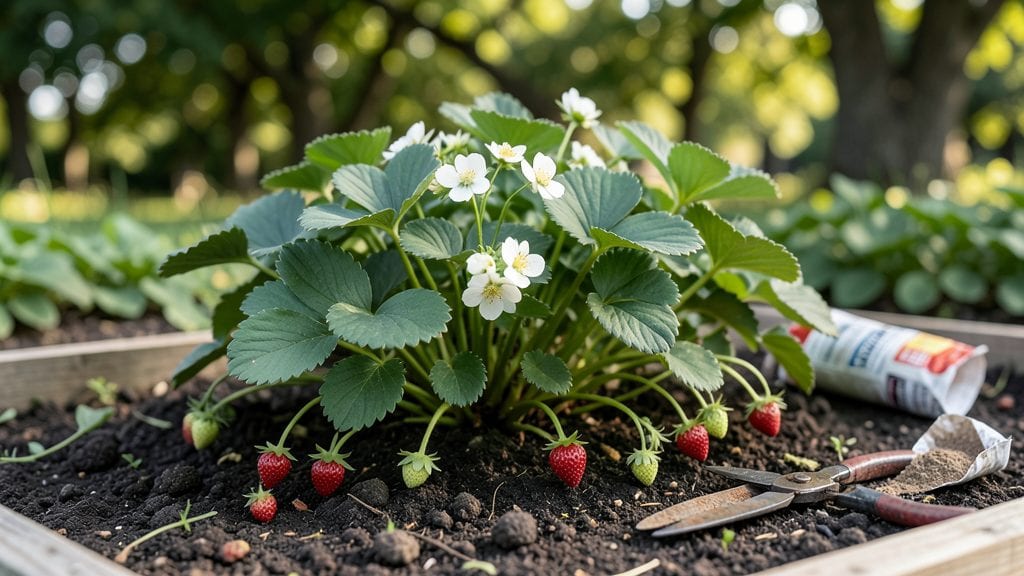
Strawberries in Zone 7 are perennial but need winter protection to survive, since they naturally thrive in USDA Zones 5-9 with safeguards against freezing temperatures and frost damage.
Zone 7's winters can drop below 10°F, which is too harsh for strawberries' delicate root systems.
Without protection, they'll die back completely, though the crowns often survive. 🌱 The key is creating an insulating barrier—whether through thick mulch, row covers, or even temporary cold frames—to maintain soil temperatures above freezing.
I've seen gardeners in Zone 7 achieve great success by combining straw mulch with floating row covers, which creates a microclimate that mimics the milder conditions of Zones 8-9.
What sets Zone 7 apart is the balance between dormancy and survival. Strawberries enter a dormant state in winter, but their roots still need protection from both extreme cold and frost heave—the upward soil movement that can damage roots.
The right overwintering method keeps roots from freezing while preventing moisture loss, setting the stage for strong regrowth in spring.
💡 In This Article
- Zone 7 Strawberry Cold Hardiness Explained
- Best Overwintering Methods for Zone 7 Strawberries
Zone 7 strawberry cold hardiness explained
Strawberries enter a natural dormancy cycle when temperatures drop below 40°F, but their root systems remain vulnerable to Zone 7's winter extremes. The crown (where roots meet stems) can tolerate brief dips to 10°F, but prolonged exposure below 15°F risks cell damage in the roots.
This is why Zone 7 gardeners often see crowns survive but roots fail—without insulation, moisture in root tissue freezes and expands, causing irreversible cellular rupture. 🌱
The real science lies in how strawberry roots handle moisture during dormancy. In ideal conditions (Zones 8-9), roots maintain slight metabolic activity, slowly processing stored starches. But in Zone 7, soil temperatures can drop to 20°F or lower, halting all activity.
The roots become desiccated because cold air pulls moisture from the soil, while the plant can't replenish it. This is why mulching with 12+ inches of straw or leaves creates a critical insulating layer—it maintains soil temps within 32-40°F, preventing both freezing and moisture loss.
Frost heave is another silent killer in Zone 7. When soil freezes and thaws repeatedly, water expands and contracts beneath the roots, literally lifting them out of the ground. This disrupts the plant's nutrient uptake system, which strawberries rely on heavily in early spring.
I've seen gardeners in Zone 7a (where winters are colder) lose entire beds because their roots were heaved 1-2 inches above soil level during freeze-thaw cycles. The solution? Heavy mulch or container growing with insulated bottoms to stabilize soil temperature.
What most gardeners miss is how strawberry varieties differ in cold tolerance. June-bearing types like 'Jewel' handle 15°F better than everbearing 'Albion', which needs protection down to 20°F.
This is why selecting the right cultivar for your specific Zone 7 microclimate (a vs. b) makes a 20-30% difference in survival rates. The hardiest varieties develop thicker crowns that store more energy reserves for spring regrowth.
Here's the mechanism: When strawberries sense shortening daylight (12 hours or less), they trigger hormonal changes that increase sugar storage in roots. This natural process creates a "food bank" for spring growth—but only if the roots survive winter.
In Zone 7, this storage system gets overwhelmed when roots freeze, which is why overwintering methods focus on maintaining that 32-40°F soil temperature range where roots can stay dormant yet viable.
The payoff comes in spring when properly overwintered plants emerge 2-3 weeks earlier than neglected ones. Their roots have maintained their vascular structure, allowing immediate nutrient uptake for new leaf growth.
This head start translates to 30-50% larger yields in the first harvest season compared to plants that had to rebuild their root systems from scratch. 💫