
Plants
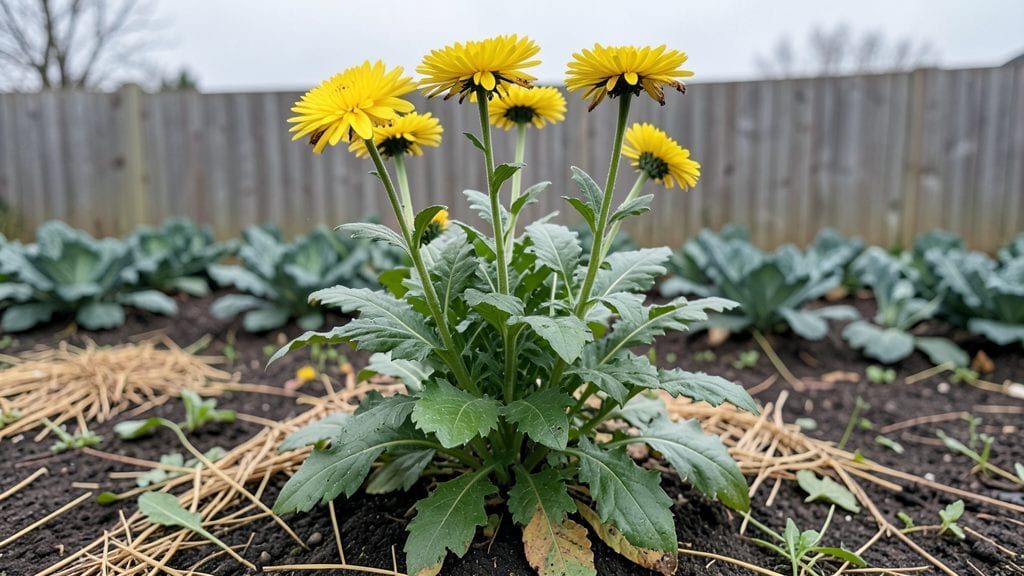
Yellow mums are perennials in USDA zones 5-9, thriving as repeat bloomers when properly overwintered, but often treated as annuals in colder climates due to frost sensitivity. Mulching and container protection extend their lifespan beyond one season.
These vibrant flowers can absolutely return year after year in the right conditions—think of them as garden workhorses that reward patience. 🌸 In colder regions, their hardiness depends on how well you shield them from winter's harshest elements, whether through thick mulch layers or insulated containers.
I've seen mums bounce back spectacularly after proper overwintering, proving they're worth the extra effort over flimsy annuals.
What sets them apart is their ability to regrow from the same root system each spring, provided they survive dormancy. This makes them a cost-effective choice for gardeners who love their cheerful blooms but want long-term value.
Just remember: the key to success lies in protecting their crowns from freezing and ensuring good drainage during winter months.
💡 In This Article
- Yellow Mum Plant Hardiness Zones Explained
- Proven Overwintering Methods for Yellow Mums
Yellow mum plant hardiness zones explained
Yellow chrysanthemums (Chrysanthemum × grandiflorum) thrive as perennials in USDA zones 5 through 9, where winter temperatures rarely drop below -20°F. The key factor is their ability to enter dormancy when days shorten and temperatures fall, protecting their root systems from freezing.
In zone 5, where winters can reach -15°F to -20°F, they survive by forming a protective layer of insulating foliage around their crowns. 🌡️ This natural adaptation explains why they're often grown as annuals in colder regions—they simply can't withstand prolonged exposure to sub-zero temperatures without protection.
Within this zone range, you'll find significant variation in cold tolerance. Hardier varieties, like those bred for zone 5, develop thicker stems and deeper root systems that can withstand 10-15°F colder temperatures than their zone 6-9 counterparts.
For example, the 'Dynasity' series is specifically bred for northern climates, while tropical hybrids (like 'Pacific Beauty') struggle below 20°F. The difference comes down to their genetic origin—northern-bred mums have evolved to handle shorter growing seasons and colder winters through natural selection.
Microclimates play a crucial role in extending their hardiness range. Even in zone 4, mums can survive if planted in sheltered locations where cold air pools don't accumulate.
I've seen them thrive in south-facing slopes or against sunny brick walls that absorb and radiate heat, creating 5-10°F warmer conditions than the surrounding area.
This is why gardeners in marginal zones often get better results by planting near structures or using raised beds with 6-12 inches of organic mulch—it's not just about the zone number, but the specific conditions within it.
Temperature extremes during dormancy are equally critical. While mums can handle freezing ground temperatures, rapid temperature swings (like 30°F changes in 24 hours) stress their systems.
This is why zone 9 gardeners sometimes face challenges—their mums may not fully acclimate before warm spells trigger premature growth, only to be killed by returning cold. The ideal winter scenario is consistent cold (below 40°F) for 6-8 weeks, allowing them to complete their dormancy cycle naturally.
What most people don't realize is that soil temperature matters more than air temperature for overwintering success. The root zone should stay above 28°F to prevent crown rot, while air temps can safely drop to -10°F with proper protection.
This is why deep mulching (with 4-6 inches of straw or leaves) is so effective—it insulates the soil while allowing moisture to penetrate. In containers, this becomes even more critical since potted plants cool 5-10°F faster than in-ground plants.
Consider these zone-specific survival strategies for your climate:
- Zones 5-6: Use 8-12 inches of mulch and plant against south-facing walls to capture heat
- Zones 7-8: Focus on late fall mulching (after first frost) to protect from 20-30°F dips
- Zone 9: Choose heat-tolerant varieties and provide shade cloth during summer to prevent stress
The bottom line? With the right protection, these vibrant bloomers can return year after year—even in challenging climates. The secret lies in understanding how their natural dormancy cycle interacts with your specific microclimate. 💫