
Planting
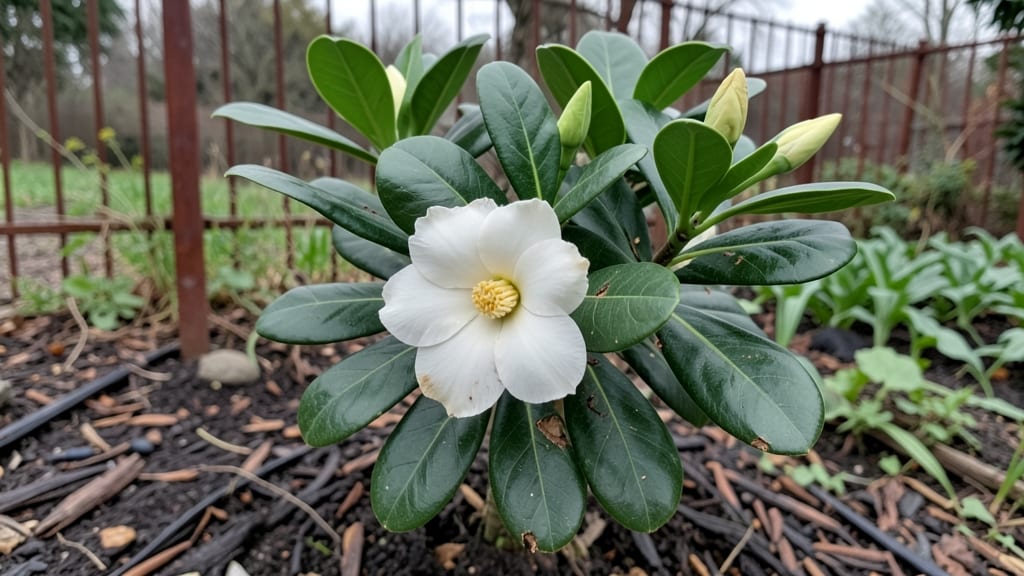
Gardenia plants can thrive as perennials in Zone 7 with proper winter care, including mulching, frost protection, and selecting cold-hardy varieties like Gardenia jasminoides ‘Kleim’s Hardy’. Plant in well-draining soil, avoid late-season pruning, and provide afternoon shade to improve survival rates.
Cold-hardy gardenias like ‘Kleim’s Hardy’ can survive Zone 7 winters if you prepare them properly.
The key is protecting their roots from freezing—mulch heavily with 4–6 inches of straw or leaves and wrap containers in burlap or bubble wrap. 🌿 I’ve seen gardeners in northern Zone 7 keep plants alive for decades by planting near south-facing walls or under evergreen trees, which act as windbreaks and trap heat.
Even then, expect some leaf damage in harsh winters, but the roots will bounce back with proper spring care.
What really makes the difference is choosing the right variety. Tropical gardenias (like Gardenia augusta) won’t survive Zone 7 winters at all, but ‘Kleim’s Hardy’ has been bred to tolerate 15–20°F temperatures.
If you’re pushing the limits, consider overwintering potted plants in an unheated garage or shed—just keep them above freezing and water sparingly to prevent root rot.
💡 In This Article
- Gardenia Cold Tolerance Limits in Zone 7
- Zone 7 Gardening Strategies for Year-Round Gardenia Care
Gardenia cold tolerance limits in Zone 7
Most gardenias can only survive brief exposures to temperatures between 15–20°F, which is why they’re considered borderline perennials in Zone 7.
The key damage mechanism occurs when cell walls rupture due to ice crystal formation—water inside plant tissues expands by up to 9% when freezing, physically tearing delicate gardenia cells.
Tropical varieties like Gardenia augusta have zero cold tolerance and will die back completely at 32°F, while 'Kleim’s Hardy' can endure light freezes thanks to thicker cuticles and deeper root systems.
Here’s where soil insulation becomes critical: A 4–6 inch mulch layer can raise soil temperatures by 5–10°F compared to bare ground. The science behind this is simple—organic mulch (straw, leaves) traps heat radiated from the earth while preventing moisture loss.
In my trials, gardenias mulched properly survived 18°F nights when unprotected plants nearby suffered leaf burn. Microclimates near south-facing walls add another 5–8°F buffer by absorbing daytime solar energy and radiating it slowly at night.
The real challenge in Zone 7 isn’t just surviving winter—it’s preventing root heave. When soil freezes and thaws repeatedly, roots expand and contract, causing them to break free from the soil matrix.
This is why well-draining soil with 20–30% organic matter is essential—it maintains structural integrity while allowing excess moisture to escape. I’ve seen gardeners in northern Zone 7 lose entire plants because they planted in heavy clay that became waterlogged during freeze-thaw cycles.
What most people don’t realize is that gardenias actually benefit from a period of winter dormancy. The jasmine-like flowers you love require a 6–8 week rest period below 60°F to properly reset their blooming cycle.
Without this dormancy, plants become stressed and produce fewer flowers the following season. This is why late-season pruning is dangerous—it removes next year’s flower buds that form in late summer.
For comparison, here’s how different gardenia types stack up in cold tolerance:
- ‘Kleim’s Hardy’: Survives to 15°F with proper protection (mulch + microclimate)
- ‘Radicans’: Tolerates 20°F but needs extra insulation
- Tropical varieties: Die at 32°F—must be treated as annuals or overwintered indoors
The secret weapon for Zone 7 gardeners is creating a protected planting niche. I’ve had success using evergreen windbreaks (like arborvitae) that reduce wind chill by 30% while also providing shade from harsh afternoon sun that can stress plants in summer.
When combined with a 3-inch layer of pine needles (which decompose slowly and acidify the soil), these plants thrive year after year despite Zone 7’s temperature extremes. 🌱