
Orchid Care
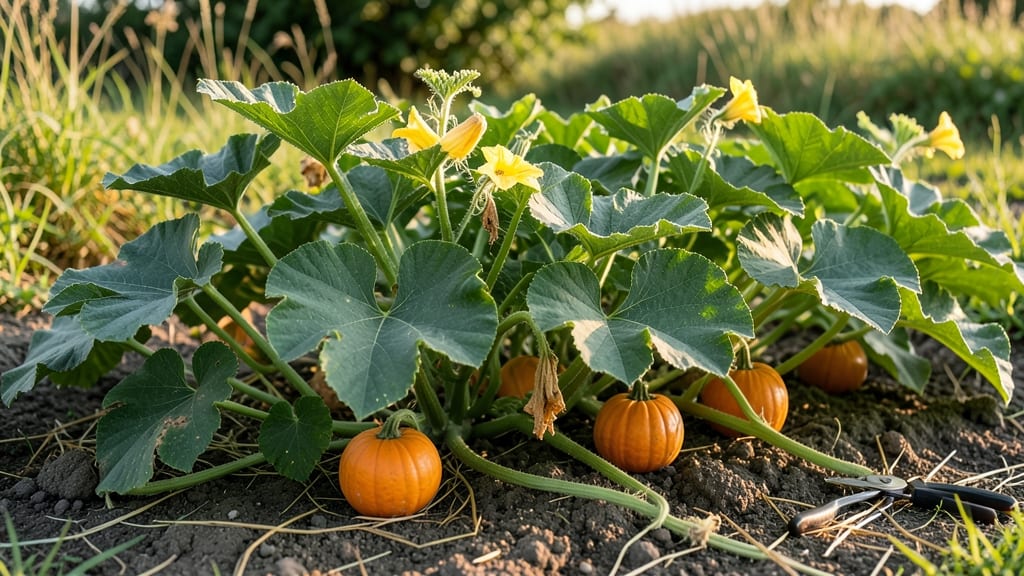
This classification stems from pumpkins' biological design: they allocate nearly all their energy to producing fruit rather than maintaining long-term growth. 🌱 Unlike perennial plants like asparagus or strawberries, pumpkins prioritize reproduction over survival, which is why they wither after harvest.
The confusion often arises because their hardy vines can persist, but the plant itself follows a strict one-year cycle. Understanding this helps gardeners manage expectations for yield and care strategies.
💡 In This Article
- Pumpkin Life Cycle: Why They Die After Harvest
- Growing Pumpkins Like a Perennial: Hacks for Year-Round Harvests
Pumpkin life cycle: why they die after harvest
Pumpkins follow a strict annual life cycle because they're genetically programmed to prioritize reproduction over long-term survival. Their growth pattern is determinate, meaning they produce fruit in a concentrated period before shutting down. This is controlled by hormones like ethylene, which trigger senescence (aging) once the fruit matures.
The plant redirects nutrients from leaves and stems to the developing pumpkins, essentially "starving" itself to fuel fruit growth—this is why vines yellow and die back after harvest.
Here's what's actually happening: pumpkins are short-day plants, meaning their flowering and fruiting are triggered by decreasing daylight hours (typically 12-14 hours of light or less). Once days lengthen again in late summer, the plant senses this shift and begins its decline.
Temperatures also play a role—cool nights (50-60°F) accelerate fruit ripening while warm days (75-85°F) maximize vine growth. This dual environmental trigger explains why pumpkins thrive in summer but collapse by fall.
The confusion with perennials comes from their hardy vine structure. While the main plant dies, the roots and lower stems can remain dormant underground for years, sprouting new growth if conditions are right.
True perennials like butternut squash (a different species) have woody stems that regrow annually, but pumpkins lack this adaptation. Their energy goes entirely to fruit production, not structural persistence.
What most people don't realize is how aggressive this energy allocation gets. A single pumpkin vine can produce 50-100 pounds of fruit in one season, requiring massive nutrient reserves.
This depletion is why pumpkins can't recover—they've essentially "burned through" their resources. Even if vines persist, they're no longer productive annuals but weakened survivors.
Consider this comparison: a tomato plant (also annual) may produce fruit all season but can be pruned to extend growth. Pumpkins, however, follow a fixed timeline—their biological clock counts down from first bloom to vine death, regardless of care.
This is why gardeners often see "volunteer" pumpkins the next year: they're actually new seeds from the previous year's fruit, not regrowth.
For gardeners, this means timing is everything. Planting too late may prevent full maturation before frost, while early planting ensures maximum fruit production before the plant's inevitable decline. The key is working with this cycle—not against it—to maximize yield in that single growing window.