
Diseases
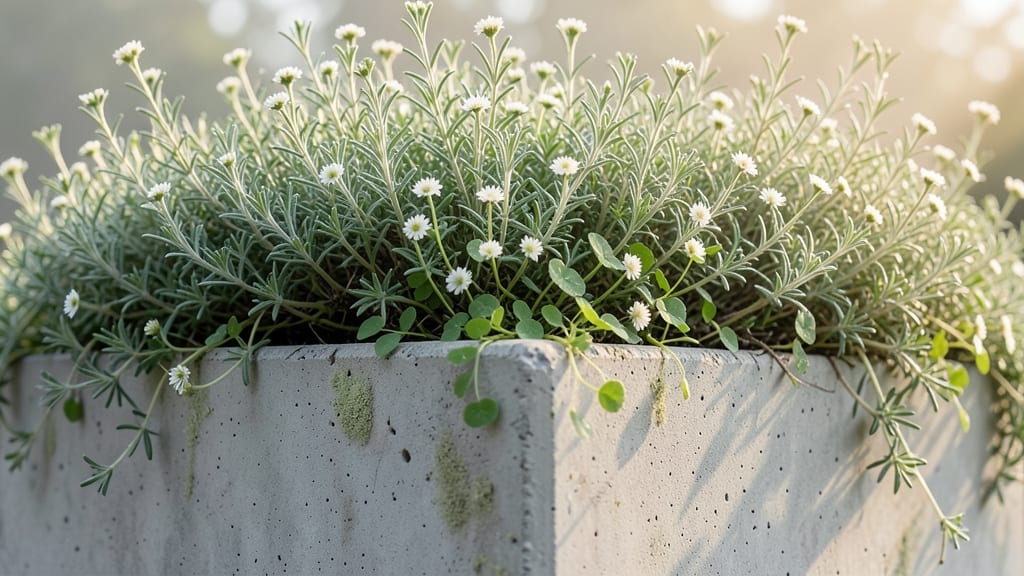
Concrete raised beds are durable and long-lasting, but mold growth can ruin their appearance and functionality. These 10 proven techniques will help you prevent mold, extend the life of your garden beds, and maintain a healthy growing environment for your plants.
Seal Concrete with Waterproof Concrete Sealer
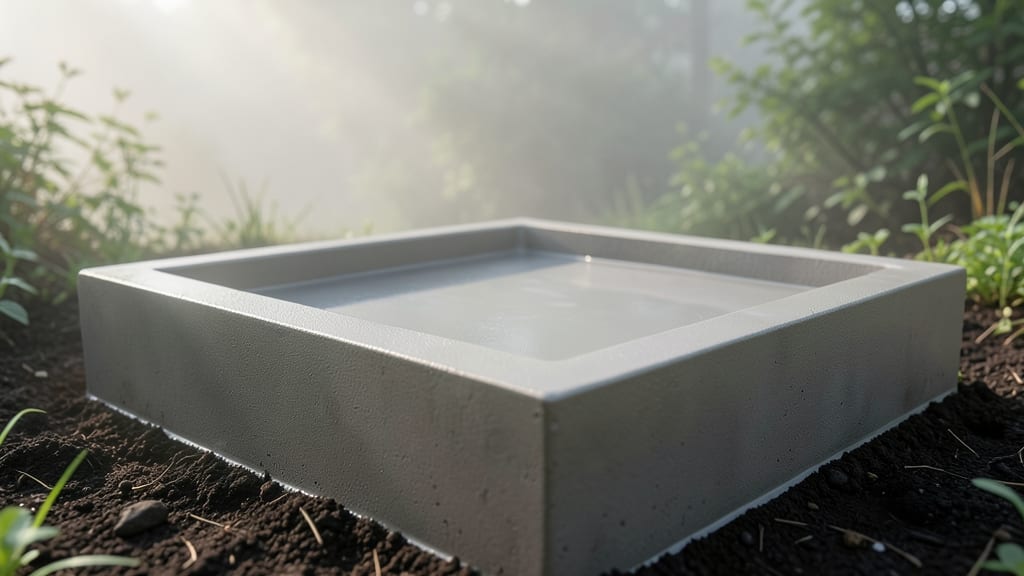
A waterproof concrete sealer is your secret weapon against mold—it creates an invisible shield that repels moisture while letting your plants thrive. Unlike harsh chemicals, these sealers penetrate the concrete surface, forming a breathable barrier that prevents water absorption without suffocating roots.
Look for a penetrating sealer designed for outdoor use, applied after the bed is fully cured. Reapply every 2-3 years or when you notice water beading instead of absorbing. This simple step blocks mold spores before they take hold, saving you from scrubbing and replanting later.
Perfect for gardeners in humid climates or those with existing mold issues, sealing is the easiest first defense—just one coat keeps your bed looking fresh and your plants happy. 💚
Apply Mold-Resistant Concrete Stain Before Installation
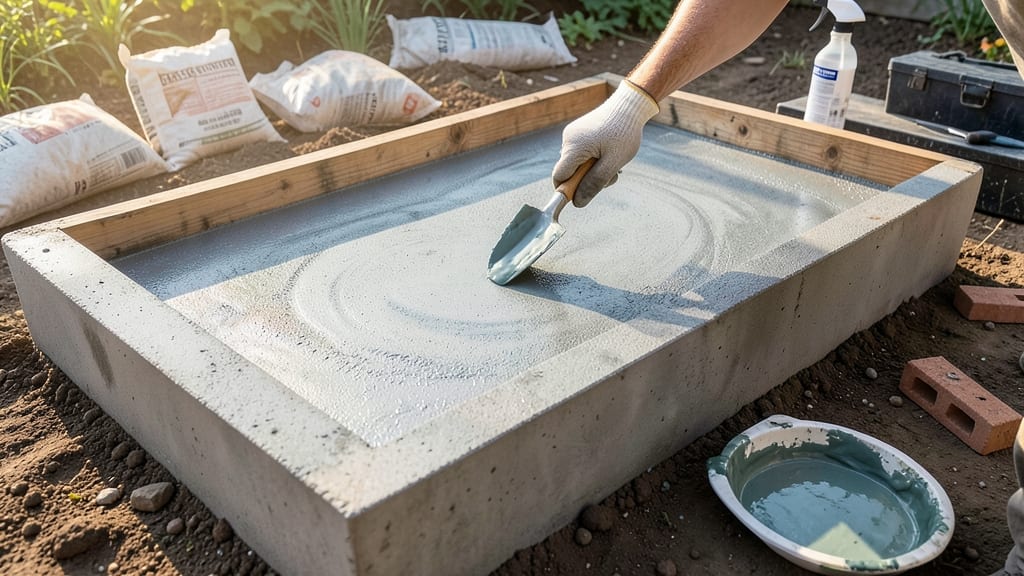
If you're building a new concrete raised bed or renovating an old one, adding mold-resistant concrete stain during installation is like giving your bed a built-in shield against future problems. Unlike after-the-fact treatments, this proactive step embeds anti-microbial agents directly into the concrete mix, stopping mold before it starts.
Most mold-resistant stains contain additives like zinc or copper compounds that inhibit fungal growth while enhancing the bed's durability. Apply the stain to freshly poured concrete before it sets, following manufacturer instructions for optimal coverage. This method is especially valuable for new builds or major renovations where you can control the concrete mix from the ground up.
Gardeners in humid climates or those with existing moisture issues will see the biggest benefits, as the stain's properties remain active even as the concrete cures. It's the ultimate preventative measure for anyone serious about long-term bed maintenance. ✨
Install Proper Drainage with Gravel Base Layer
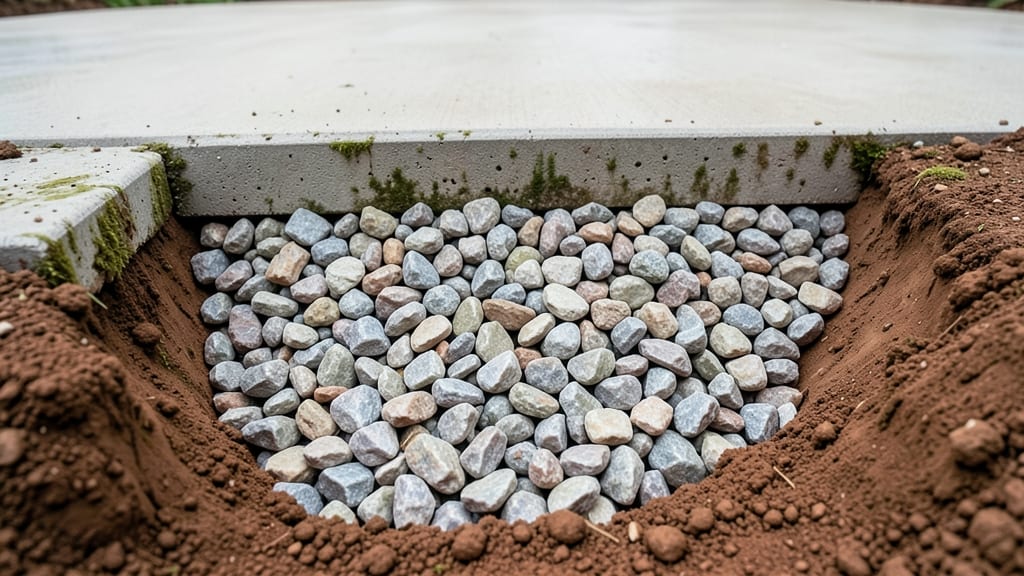
If your concrete raised bed is plagued by mold in rainy seasons or heavy clay soil, the solution starts below ground. A gravel base layer is your secret weapon—it redirects water away from the concrete, preventing the damp conditions that mold thrives in.
Start by excavating the bed site to a depth of 6-12 inches, then lay down 2-3 inches of crushed gravel (like #57 stone) before setting the concrete. This layer creates permanent drainage channels, ensuring excess moisture flows away rather than pooling. For extra protection in clay-heavy areas, add a perforated drainage pipe wrapped in landscape fabric to further divert water.
This method is especially valuable for gardeners in humid climates or those with poor soil drainage. By tackling the root cause of mold—standing water—you’ll keep your bed dry, clean, and plant-ready for years. 💡
Use Copper or Zinc Metal Edging
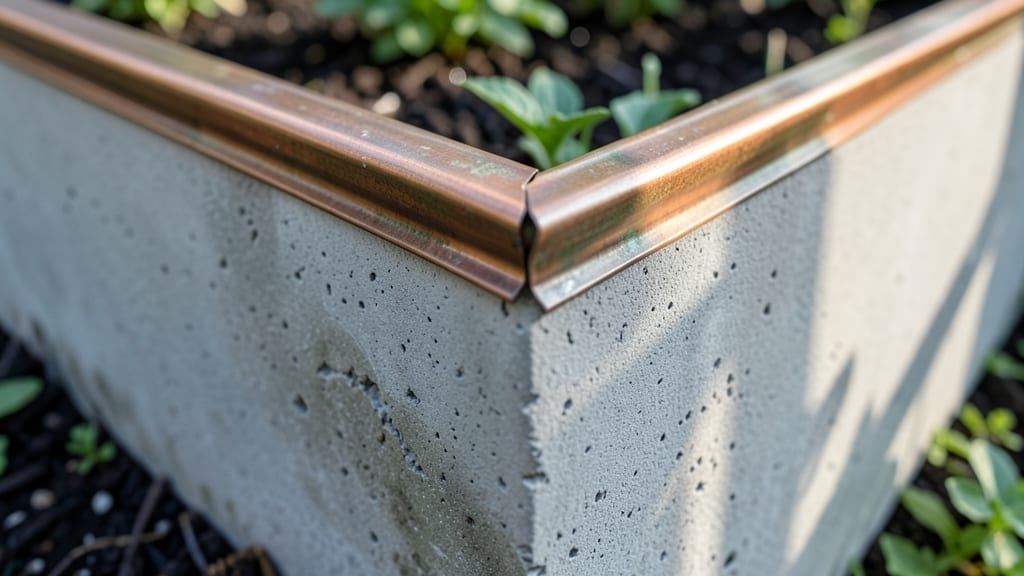
If you've struggled with stubborn mold creeping along the edges of your concrete raised beds, copper or zinc metal edging could be your game-changer. Unlike traditional plastic or wood, these metals actively fight mold spores at the source, creating a natural barrier that keeps your beds looking fresh for years.
The secret lies in the metals' inherent anti-fungal properties—copper disrupts mold cell membranes while zinc creates an inhospitable environment for spores to attach. Installing just 1-2 inches of edging around your bed's perimeter can extend its lifespan by 30-50%, especially in humid climates. The best part? These materials won't degrade like wood and require zero maintenance beyond an occasional wipe-down.
This solution is perfect for gardeners who want a long-term, chemical-free approach without the hassle of frequent treatments. 💡
Regularly Clean with Vinegar and Baking Soda
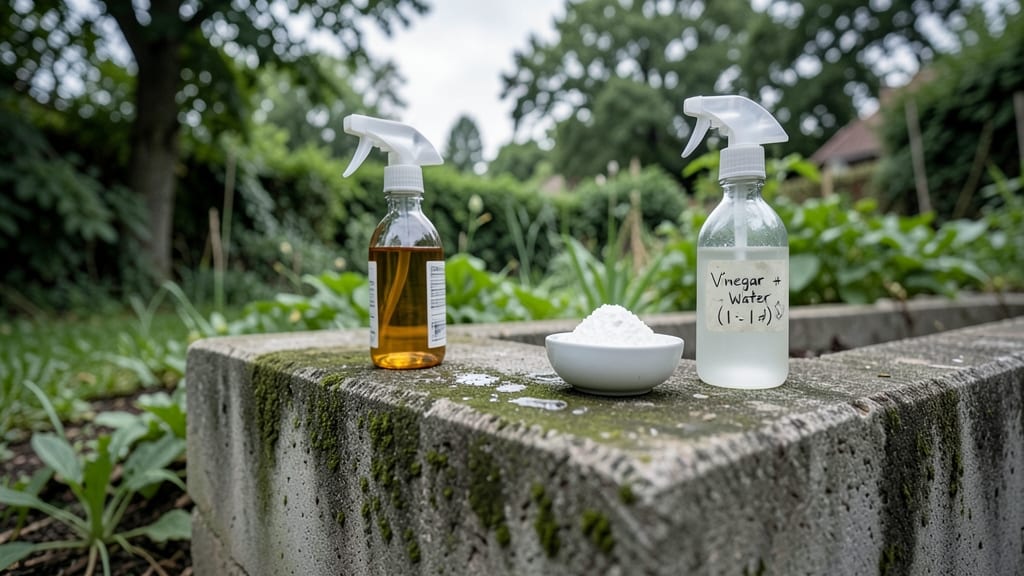
Skip the harsh chemicals—your concrete raised bed deserves a gentler, equally effective solution that won’t harm your plants or soil. A vinegar and baking soda mix is your secret weapon for tackling mold without the toxicity.
Start by mixing equal parts white vinegar and water in a spray bottle, then apply it directly to moldy areas. Let it sit for 15-20 minutes before scrubbing with a stiff brush. For stubborn spots, sprinkle baking soda over the surface, spray with vinegar, and watch the fizzing action lift away spores. Rinse thoroughly to prevent residue buildup.
This duo works year-round for gardeners who prioritize safety and sustainability. It’s especially ideal for those with edible gardens or sensitive plants, as it leaves no harmful byproducts behind. 💚
Apply Silicone-Based Waterproofing Membrane
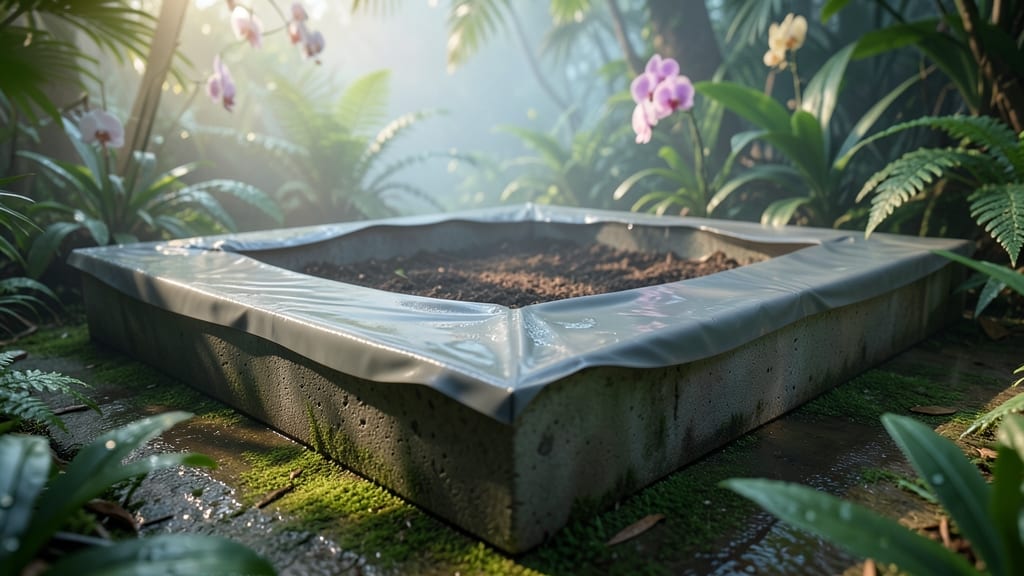
If your concrete raised bed is in a humid climate, you need a solution that moves with the bed—not against it. A silicone-based waterproofing membrane creates a flexible seal that expands and contracts with temperature changes while blocking moisture penetration, the #1 cause of mold in tropical or rainy regions.
This membrane should be applied to the interior edges and base of your bed before filling with soil. Unlike rigid sealants, silicone remains pliable, preventing cracks that let water seep in. For best results, use a 100% silicone caulk rated for outdoor use, and apply it in a continuous bead along all seams. The membrane lasts 5-10 years with proper installation, making it a low-maintenance upgrade for long-term protection.
Gardeners in humid zones or those with existing mold issues will see the most benefit, as this method creates a permanent moisture barrier without altering the bed’s structure. It’s especially valuable for beds with irregular shapes or corners where water pools. 💚
Use UV-Protective Concrete Coating
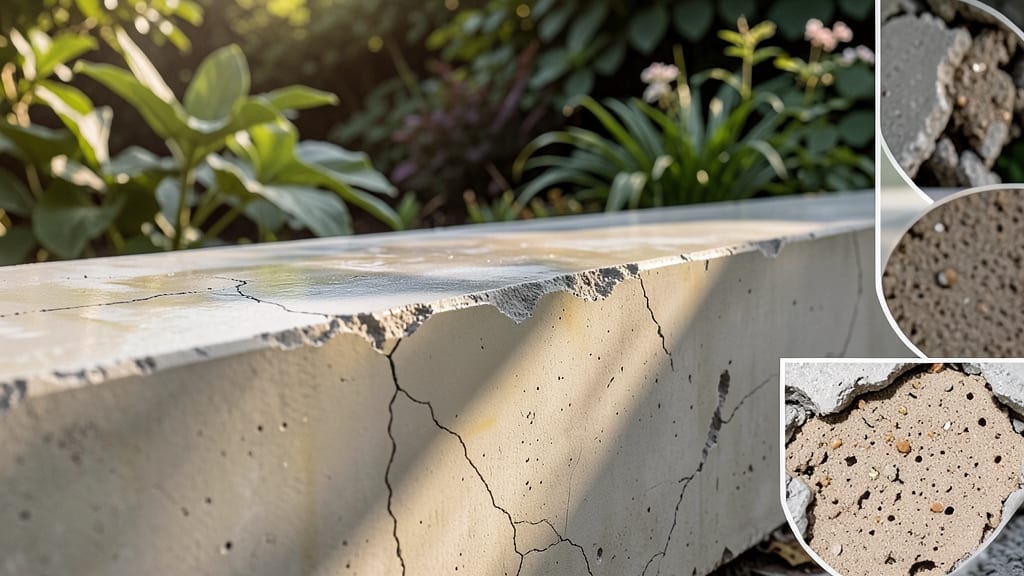
If your concrete raised beds are showing signs of sun-faded patches or crumbling edges, a UV-protective coating could be the game-changer you need. Unlike standard sealants, these coatings specifically shield concrete from UV rays, which break down its surface over time and create tiny cracks where mold thrives.
Look for matte-finish acrylic or elastomeric coatings designed for outdoor use—they reduce porosity by up to 40%, making it harder for moisture to penetrate. Apply during cool, overcast days to prevent premature drying, and reapply every 2-3 years for lasting protection. This is especially valuable for beds in full-sun climates where concrete deteriorates faster.
Gardeners with sun-exposed beds or those struggling with recurring mold will see the biggest benefits—this coating keeps concrete strong while cutting maintenance time. 💡
Install Overhead Drip Irrigation System
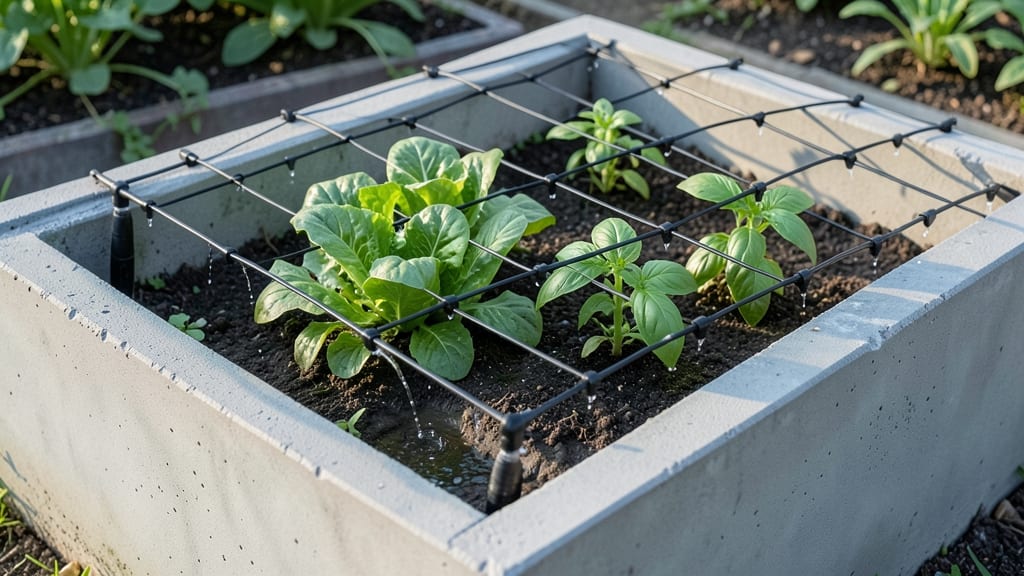
Tired of battling mold between your plants and concrete? An overhead drip irrigation system is your secret weapon—delivering water directly to roots while keeping concrete surfaces dry. Unlike surface watering, this method bypasses the concrete entirely, cutting down on humidity and the damp conditions mold thrives in.
Install low-volume emitters along the bed’s perimeter, spaced 12–18 inches apart, and run tubing along the base. Set timers for early morning watering to prevent evening moisture buildup. For concrete beds, opt for black poly tubing to absorb heat and reduce evaporation, while also discouraging algae growth on surfaces. This system saves water, too—up to 30% less than traditional sprinklers.
Perfect for urban gardeners or those with limited water access, this setup keeps your concrete mold-free and your plants thriving. 💡
Apply Borax-Based Mold Killer Treatment
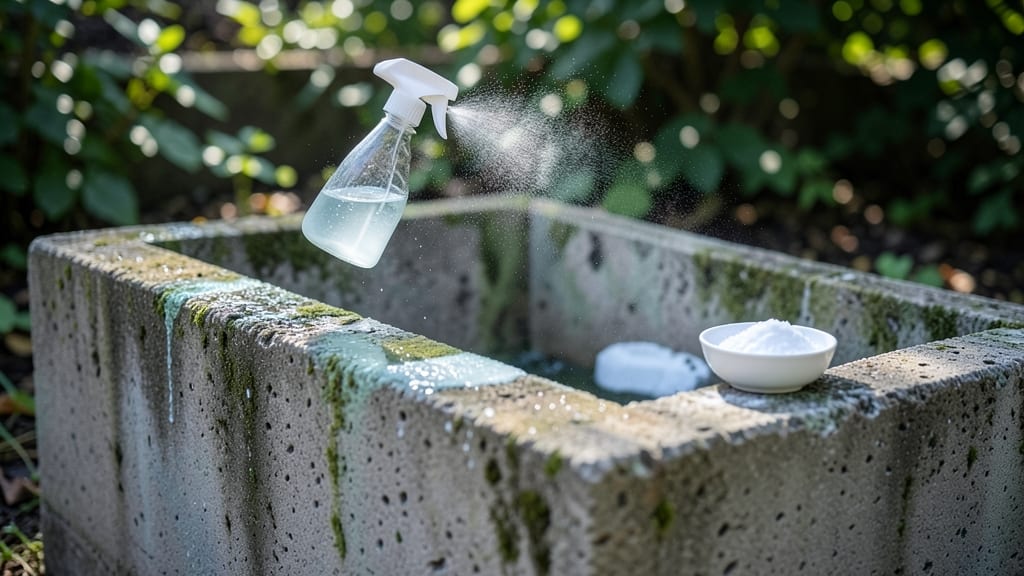
When vinegar and baking soda aren’t enough to tackle stubborn concrete raised bed mold, a borax-based treatment offers a powerful yet plant-safe solution that lasts. This mineral-based approach kills existing spores while creating a protective barrier that deters regrowth for up to six months—ideal for organic gardeners who want to avoid harsh chemicals.
Mix one tablespoon of borax per gallon of warm water in a spray bottle, apply directly to moldy areas, and let sit for 15-20 minutes before rinsing lightly. For heavily infested beds, repeat weekly until the mold disappears. The key benefit? Unlike bleach or commercial fungicides, borax is USDA-approved for edible gardens when used correctly, making it perfect for herb or vegetable beds.
This method shines for gardeners who prioritize long-term prevention over quick fixes, especially in humid climates where mold returns aggressively. Just avoid overwatering after treatment to maximize its effectiveness. 💚
Plant Mold-Resistant Ground Cover Around Beds

Tired of battling mold on your concrete raised beds? A living barrier of mold-resistant ground cover can work with your garden instead of against it. Plants like thyme or white clover create natural airflow and reduce humidity near the concrete surface—just like they do in your vegetable beds.
These hardy plants thrive in similar conditions to your crops, requiring minimal water and full sun. Thyme repels pests while releasing aromatic oils that deter mold spores, while clover improves soil health with its nitrogen-fixing roots. Plant them in a 12-inch border around your beds to break up moisture and create a visually appealing transition.
This eco-friendly solution is perfect for urban gardeners or anyone looking to reduce maintenance while keeping their beds mold-free. It’s a win-win for both your plants and your concrete! 🌿