
Plants
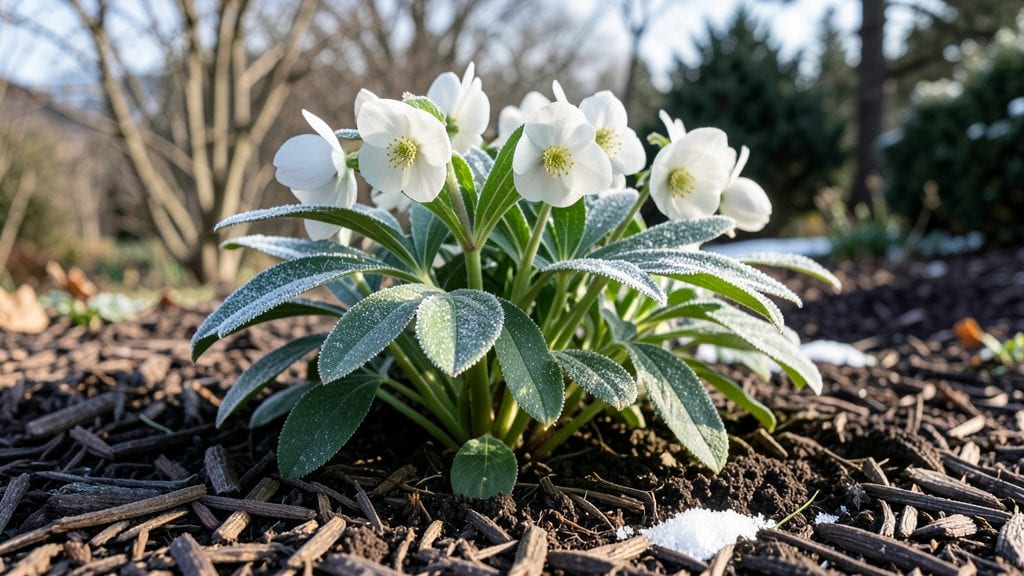
Perennials aren't always year-round plants—they thrive year-long only in warm climates, while most varieties enter dormancy in colder zones, regrowing when temperatures rise.
Not all perennials stay green and growing through winter—many adapt by slowing down or going dormant when frost hits. 🔥 For example, peonies and hostas in Zone 5 might lose their leaves but store energy underground to bloom again in spring.
The key difference lies in their root systems and natural cold tolerance, which determines whether they'll survive winter exposure or need protective measures like mulch. Even "evergreen" perennials like lavender often shed lower leaves in harsh freezes, proving that true year-round growth is rare outside tropical regions.
What most gardeners overlook is how microclimates within a zone can extend growing seasons. A south-facing wall or well-drained slope might protect tender perennials from late frosts, allowing them to stay active longer than expected.
I've seen salvia and Russian sage push their limits in Zone 6 with proper winter care, though they still need insulation when temperatures drop below 20°F. The real secret? Matching plants to your specific zone's last frost date and soil conditions.
💡 In This Article
- How Climate Zones Determine Perennial Survival
- Year-Round Perennial Gardening Strategies by Region
How climate zones determine perennial survival
The USDA Plant Hardiness Zone Map divides North America into 13 zones based on average annual minimum temperatures, which directly impacts perennial survival.
For instance, Zone 3 (below -30°F) can support hardy perennials like coneflowers and Russian sage, while Zone 10 (above 30°F) allows tropical plants like cannas to thrive year-round.
The science lies in how plants adapt: cold-hardy perennials produce antifreeze proteins that protect cell membranes from freezing, while tender perennials lack these adaptations and must retreat below ground or die back annually. 💫
Root systems play a critical role in winter survival. Deep-rooted perennials like peonies store energy in thick rhizomes that insulate against freezing, while shallow-rooted varieties such as hostas rely on protective mulch.
Evergreen perennials like boxwoods maintain chlorophyll year-round but often shed lower leaves when temperatures drop below 15°F, conserving energy. In contrast, deciduous perennials like bee balm completely defoliate to reduce water loss and metabolic demands during dormancy. This adaptation explains why some "evergreens" look dormant even in warm zones.
Tropical perennials like hibiscus and bougainvillea never experience true dormancy—they grow continuously in Zones 9-11 but cannot survive frost. Their survival strategy involves rapid regrowth from roots or cuttings when warm conditions return.
What's fascinating is how some temperate perennials, like hellebores, bloom in early spring before leaves emerge, capitalizing on stored energy from the previous growing season. This timing adaptation shows nature's precision in matching growth cycles to climate patterns. 🔥
Microclimates within zones create exceptions to hardiness rules. A south-facing slope might add 5-10°F of warmth compared to a north-facing area, allowing tender perennials to survive where they wouldn't normally. For example, lavender can thrive in Zone 7 gardens on sunny slopes but may die back in shaded spots.
Gardeners in transitional zones (like Zone 8) often face the most challenges, as sudden freezes can kill tender perennials that might otherwise survive. The key is selecting plants that match not just the zone, but the specific site conditions.
Seasonal adaptation mechanisms go beyond cold tolerance. Some perennials, like hostas, produce thicker leaves in fall to store nutrients, while others, such as daylilies, develop underground corms packed with starches. These adaptations explain why certain perennials can regrow from just a small piece of root after winter dieback.
The trade-off? Plants that invest heavily in winter survival often have slower early-season growth compared to tropical varieties that prioritize rapid expansion when conditions are favorable. 🌟
What most gardeners don't realize is that even "hardy" perennials have limits. A 20°F freeze might kill a Zone 5 hosta's foliage but leave its roots intact, while a -10°F snap could damage those same roots.
This explains why mulching with 4-6 inches of organic material can make the difference between survival and loss. The science of perennial dormancy reveals nature's remarkable ability to balance growth and survival across vastly different climates.