
Trees
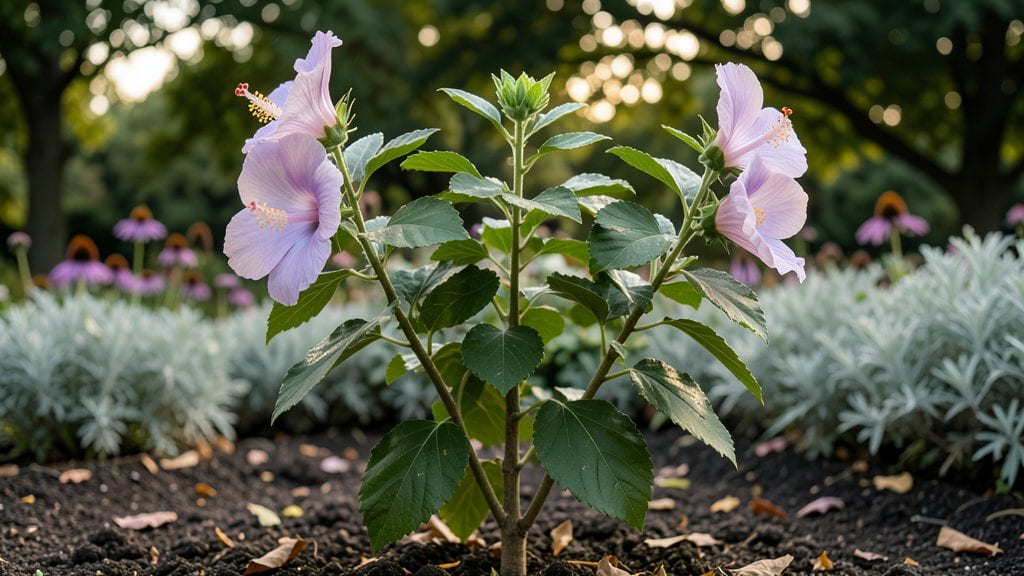
Hibiscus trees are not perennials in most climates; they typically die back to the ground in cold winters and regrow from the roots in warmer zones like USDA 9-11, where they thrive year-round as evergreens. In colder regions, they’re grown as annuals or tender perennials requiring winter protection.
Hibiscus trees behave differently depending on where you live. In frost-free zones like Florida or Hawaii, they grow as evergreens, keeping their leaves all year. 🌿 However, in colder areas, they act more like tender perennials—they lose their foliage in winter but can survive if protected properly.
The key difference lies in their root systems: even if the top growth dies back, the roots often stay alive underground, ready to sprout again when temperatures warm up.
This adaptability makes hibiscus a popular choice for gardeners in marginal climates. With the right care—like mulching or bringing potted plants indoors—you can extend their lifespan year after year, even in zones where they wouldn’t naturally overwinter. 💫
💡 In This Article
- Hibiscus Tree Cold Hardiness by USDA Zone
- How to Overwinter Hibiscus Trees in Cold Climates
Hibiscus tree cold hardiness by USDA Zone
The survival of hibiscus trees hinges on temperature thresholds—specifically, when nighttime lows drop below 30°F (-1°C).
This critical point triggers metabolic shifts in the plant: cells begin to dehydrate, and protective sugars accumulate in the roots to prevent freezing damage. 🌡️ Most tropical hibiscus varieties (Hibiscus rosa-sinensis), evolved in frost-free environments, cannot tolerate prolonged exposure to 25°F (-4°C) without suffering irreversible damage to their woody stems.
In contrast, hardier species like Hibiscus syriacus (the rose of Sharon) can withstand brief dips to 15°F (-9°C) thanks to thicker bark and deeper root systems.
USDA Zone 9-11 represents the sweet spot for hibiscus as evergreens, where winter temperatures rarely dip below 20°F (-7°C). In these zones, hibiscus maintain their lush foliage year-round because their growth cycle isn't interrupted by frost.
The key difference lies in their root growth patterns: tropical varieties develop shallow, fibrous roots that thrive in warm, humid soil, while hardy hibiscus grow deeper, more robust root systems capable of storing moisture and nutrients for winter survival. 🌱 In Zone 8a-8b, where winters occasionally reach 10-15°F (-12 to -9°C), hibiscus can survive if their roots are insulated with 6-12 inches of organic mulch (like straw or wood chips) to maintain soil temperatures above 28°F (-2°C).
What most gardeners don't realize is how hibiscus adapt their growth cycles based on climate. In colder zones, hibiscus enter a state of dormancy when temperatures drop, shedding leaves to conserve energy. The roots remain active underground, continuing to absorb moisture until the ground freezes.
This survival mechanism is similar to how deciduous trees like oaks prepare for winter, but hibiscus roots are far more sensitive to prolonged cold—exposure to 15°F (-9°C) for more than 4-6 hours can kill even hardy varieties. 🧊 The contrast between tropical and hardy hibiscus becomes clear when comparing their bark thickness: Hibiscus rosa-sinensis has thin, papery bark that cracks easily in freezing conditions, while Hibiscus syriacus develops a tougher, cork-like bark that resists splitting.
Zone-specific growth patterns also affect hibiscus flowering cycles. Tropical varieties in frost-free zones bloom continuously, producing vibrant flowers year-round, while hardy hibiscus in colder climates typically bloom in late spring to early summer, then again in fall before dormancy sets in.
This seasonal adaptation is a direct response to temperature cues: cooler nights trigger hormonal changes that promote flowering, while prolonged cold signals the plant to conserve resources.
In marginal zones (like Zone 8a), gardeners often see a 30-50% reduction in flowering if winter protection isn't applied consistently. 🌸 The science here involves photoperiodism—the plant's internal clock that responds to daylight length—but temperature remains the dominant factor in determining whether hibiscus will survive the winter.
For those pushing hibiscus into Zone 7 or colder, the difference between annual and perennial growth comes down to root protection. In these areas, hibiscus are often grown as "tender perennials," meaning they'll die back to the ground but can regrow from roots if protected.
The root crown (the area where roots meet stems) must be kept above 25°F (-4°C) to prevent damage.
This is why techniques like wrapping the base with burlap and straw or planting in containers that can be moved indoors are so effective—they create a microclimate that mimics the warmer conditions hibiscus evolved in. 🏡 Without this protection, even hardy varieties will succumb to cold damage, turning their vibrant green foliage brown and crispy within days.
One fascinating example of hibiscus adaptation is the 'Dwarf Yeddo' hibiscus, a hardy variety that can survive brief exposures to 10°F (-12°C) when properly mulched.
This variety's success in Zone 7 gardens demonstrates how selective breeding can extend hibiscus hardiness—its compact growth habit and thicker stems make it more resilient than standard tropical hibiscus.
However, even this variety won't thrive without winter care in Zone 6 or colder, where temperatures regularly drop below 0°F (-18°C). The lesson here is that while hibiscus can be coaxed into colder climates, they'll always require more attention than true perennials like roses or lilacs. 🌿
Understanding these zone-specific patterns helps gardeners make informed choices. If you're in Zone 9-11, you can treat hibiscus as evergreens with minimal winter care.
But in Zones 7-8, expect to provide seasonal protection—whether through mulching, container growing, or indoor overwintering—to give your hibiscus the best chance at returning each spring. The payoff? Vibrant blooms and lush foliage that make hibiscus worth the extra effort, even in colder regions. ✨