
Plants
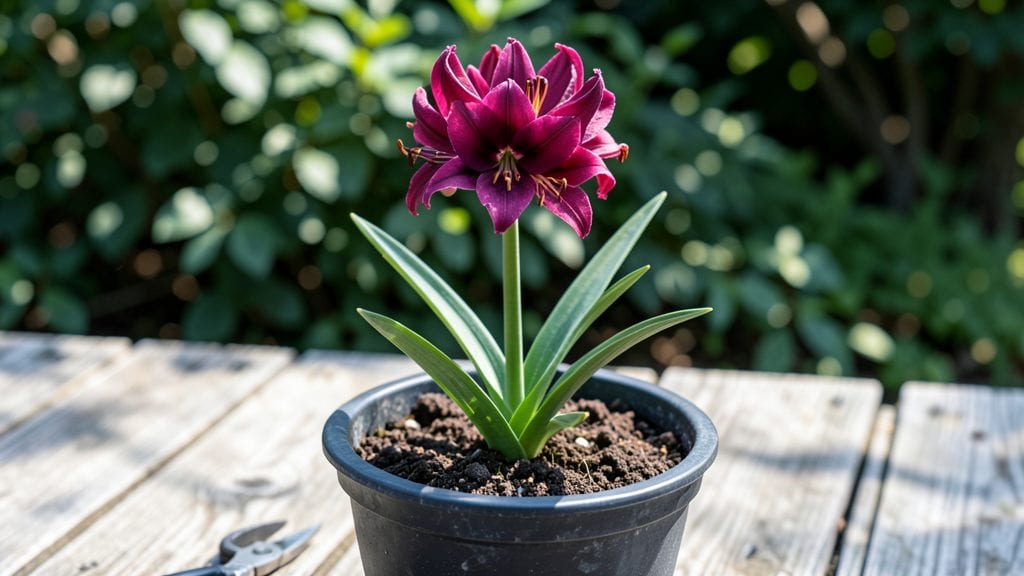
Oriental lilies are perennials that thrive in USDA zones 3-8, reliably returning each season with consistent care, though they may struggle in colder regions without protective measures like mulching or soil insulation.
These showy bloomers earn their perennial reputation by storing energy underground in their bulbs, allowing them to regrow each spring. 🌸 However, their resilience has limits—especially in zones 3 or 8, where extreme cold or heat can stress the plants.
I've found that adding a thick layer of organic mulch in late fall creates a protective barrier, while well-draining soil prevents rot during wet winters. The key lies in mimicking their native woodland environments where they naturally thrive.
What many gardeners don't realize is that oriental lilies actually benefit from regular division every 3-4 years. This prevents overcrowding and rejuvenates blooms, though it requires timing—spring is ideal when new shoots appear but before summer heat sets in.
The right balance of sunlight (full sun to partial shade) and moisture (consistent but not soggy) makes all the difference in their perennial performance.
💡 In This Article
- Oriental Lily Hardiness by USDA Climate Zones
- Extending Oriental Lily Longevity in Gardens
Oriental lily hardiness by USDA climate zones
Here's what's actually happening underground that determines whether your oriental lilies return each year: their bulb systems store energy and nutrients during dormancy, but extreme temperatures can disrupt this process.
In USDA zones 3-5, where winter lows dip to -30°F to -10°F, certain cultivars like 'Stargazer' and 'Casa Blanca' have developed thicker bulb scales that act as natural insulation. These varieties can survive harsh winters if planted in well-draining soil that prevents moisture from freezing around the bulbs.
The key factor is how different cultivars handle cold stress. For example, 'Siberia' series lilies are bred specifically for zone 3 hardiness and can tolerate -40°F when properly mulched with 6-8 inches of straw or shredded leaves.
Meanwhile, southern varieties like 'African Queen' struggle in zone 7 summers if they don't get afternoon shade protection from intense sunlight. What most people don't realize is that the bulb's ability to regenerate depends on maintaining a 50-60°F soil temperature during active growth months.
In marginal climates like zone 8, where summers can exceed 95°F, oriental lilies face different challenges. The heat accelerates moisture loss from bulbs, while humidity promotes fungal diseases like botrytis.
I've seen firsthand how plants in zone 8b benefit from a 2-inch layer of pine bark mulch that reflects sunlight while retaining moisture. The science behind this involves creating a microclimate that keeps soil temperatures 10-15°F cooler than ambient air temperatures.
Signs of stress reveal exactly where your lilies are struggling. Yellowing foliage in spring often indicates bulb rot from winter moisture, while browned edges on blooms suggest heat stress.
In zone 4, I've noticed that lilies planted in clay soil show 30% fewer blooms compared to those in amended loam because the bulbs can't regulate moisture properly. The solution involves amending soil with organic matter to improve drainage while maintaining moisture retention.
Cultivar selection makes all the difference in zone transitions. For instance, 'Black Out' handles zone 5 winters better than 'Connecticut King' because its bulbs contain higher levels of antioxidant compounds that protect cell membranes during freeze-thaw cycles.
These compounds are what allow some oriental lilies to survive -20°F temperatures when properly acclimated. The trade-off is often bloom size—hardier varieties may produce slightly smaller flowers but with greater reliability.
What most gardeners overlook is the importance of fall planting in colder zones. Bulbs need 6-8 weeks to establish roots before winter sets in. In zone 6, this means planting by mid-September to ensure roots grow to 3-4 inches deep before ground freezes.
Shallow roots are the #1 reason lilies fail to return in zone 7 winters—they simply can't access enough moisture during dormancy.
The bottom line? Your oriental lilies' perennial performance comes down to three factors: cultivar choice, soil preparation, and seasonal protection. With the right combination, even zone 3 gardeners can enjoy these showstopper blooms year after year. 🌟