
Plants
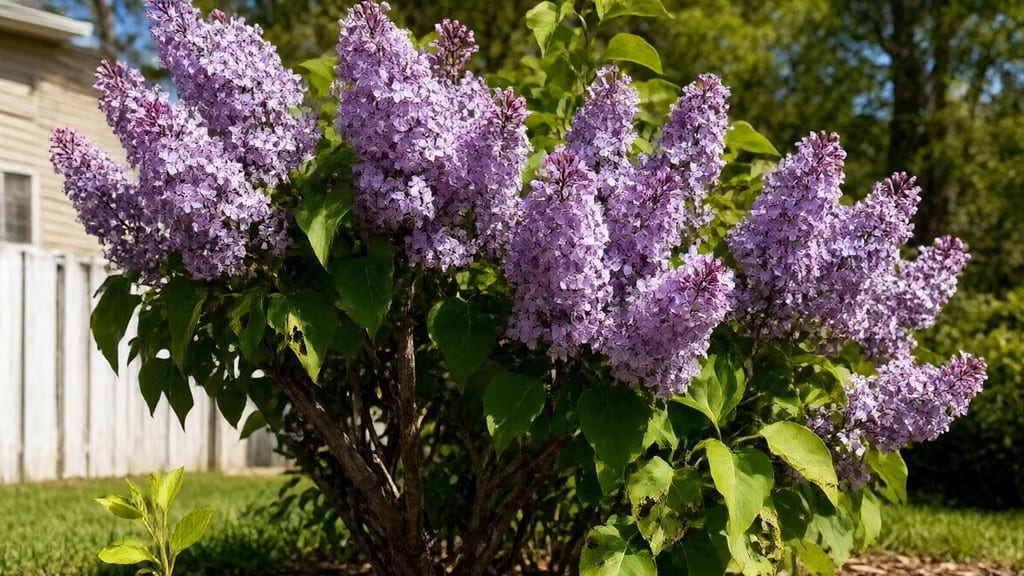
Yes, lilacs are perennials that thrive for 10-15 years or longer with proper care, blooming in spring with fragrant flowers before new foliage emerges, though some varieties may decline after 20 years without rejuvenation pruning.
Lilacs earn their perennial status thanks to their deep, woody root systems that store nutrients year-round.
Unlike annuals, they regrow each spring from the same roots, producing those iconic fragrant clusters for decades with minimal intervention. 🌸 The key to their longevity lies in their ability to enter dormancy during winter months, then burst back into bloom as temperatures rise—though this cycle requires consistent care to prevent gradual decline.
What sets lilacs apart from other flowering shrubs is their natural resilience to cold climates, allowing them to thrive in zones 3-7 without needing winter protection. Their growth pattern—producing flowers on old wood rather than new growth—means proper pruning timing becomes critical.
I've found that varieties like 'Katherine Havemeyer' can live for 30+ years when given the right conditions, though most gardeners see peak performance between years 10-20.
💡 In This Article
- Lilac Plant Lifespan and Growth Cycle
- Pruning and Care Tips for Long-Lived Lilacs
Lilac plant lifespan and growth cycle
The perennial nature of lilacs stems from their sophisticated root systems, which develop extensive, deep-reaching roots that can extend up to 6 feet below ground.
This extensive network allows them to access water and nutrients even during drought conditions, a trait that sets them apart from annuals which rely solely on seasonal growth. The roots store carbohydrates and nutrients during the growing season, fueling their spring blooms year after year.
This biological efficiency is why lilacs can thrive for decades with minimal intervention beyond basic care.
What truly extends their lifespan is their ability to enter dormancy—a survival mechanism that allows them to shut down non-essential functions during winter. Unlike annuals that complete their entire life cycle in one season, lilacs preserve their energy by reducing metabolic activity when temperatures drop below 40°F.
This dormancy period, combined with their cold hardiness (zones 3-7), means they can withstand freezing temperatures that would kill most flowering plants. The trade-off? Their growth is seasonal, with a clear pattern of spring blooming followed by summer foliage development, then winter rest.
The timing of lilac blooms—typically between late April and June—is directly tied to their growth cycle. Flowers emerge on old wood (last year's growth), which means they bloom before new leaves appear. This unique characteristic also explains why improper pruning can shorten their lifespan.
When you remove old wood, you're essentially cutting off next year's flower buds. The science here is fascinating: lilacs produce flower buds in late summer on the previous year's growth, which then remain dormant until spring's warmth triggers their opening.
Comparing lilacs to biennials or annuals highlights their advantage. Annuals like marigolds complete their entire life cycle in one year, while biennials like foxgloves take two years to bloom and then die. Lilacs, however, continue this cycle annually, with each year's growth building on the last.
Their woody stems provide structural support and storage, allowing them to invest energy in both flowers and foliage simultaneously. This dual-purpose growth strategy is why mature lilacs can produce hundreds of fragrant blooms each spring while maintaining their structural integrity for decades.
One often-overlooked factor in their longevity is their natural resistance to many pests and diseases. Unlike many ornamental plants, lilacs have evolved with few natural predators, making them low-maintenance compared to roses or hydrangeas.
Their thick, waxy leaves and dense growth habit create a physical barrier against insects, while their deep roots help them outcompete weeds.
This resilience means that with proper planting (full sun, well-drained soil) and occasional pruning, a lilac can easily outlive its gardener—some historic specimens have thrived for over 100 years.
The growth cycle's most critical phase occurs in late summer when lilacs produce next year's flower buds. This is when gardeners must be particularly careful—any damage to new growth can reduce next spring's blooms.
The buds form in clusters along the stems, and their development is temperature-sensitive, typically requiring 60-70°F days for optimal formation. Understanding this biological timing is key to maintaining a healthy, long-lived lilac shrub that continues producing those signature fragrant blooms year after year.