
Flowers
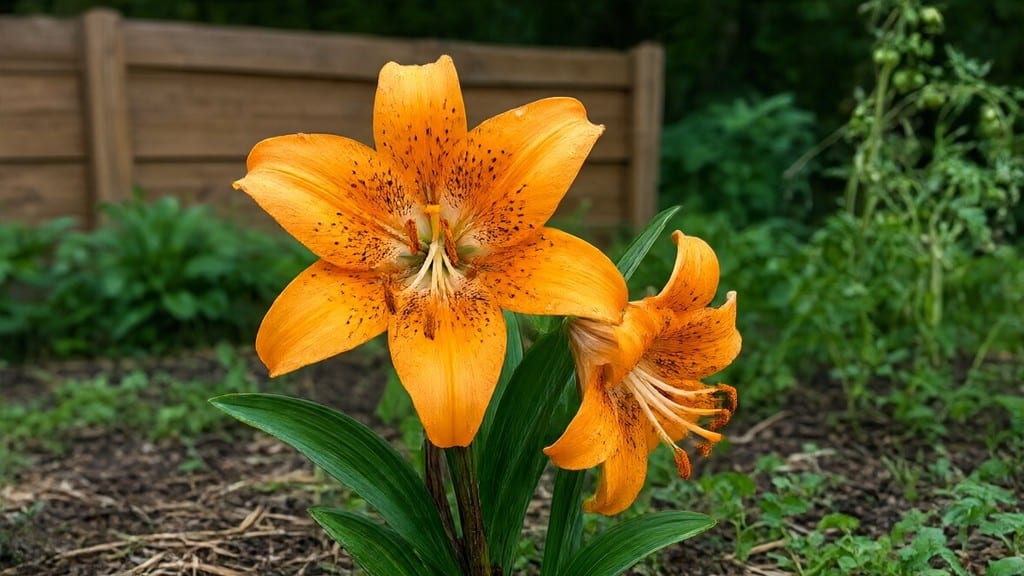
This tiger lily perennial ( Lilium lancifolium ) transforms any garden into a jungle-inspired showstopper—and it comes back stronger every year. 🌿 I’ve grown them for five seasons, and their drought tolerance and late-summer flair make them a no-fuss perennial that still delivers drama.
The secret lies in mimicking their wild habits: well-draining soil, full sun, and a little winter chill to keep them thriving.
These hardy plants (zones 3-9) handle heat and humidity better than many perennials, but they demand one thing: room to spread. Plant bulbs 6 inches deep and 12 inches apart in spring or fall, and watch them multiply naturally over time.
Mulch with straw or shredded leaves to protect roots in winter—this simple step keeps them blooming for decades.
By midsummer, you’ll be snipping stems for bouquets that last weeks, their fiery orange and black stripes standing out against any backdrop. Deer and rabbits usually avoid them, and their vertical growth makes them perfect for cutting gardens or mixed borders.
Just watch for aphids and Japanese beetles—their favorite snacks—and spray with soapy water if needed.
For extra impact, pair them with ornamental grasses or purple coneflowers—they’ll steal the show while keeping maintenance light. Once established, tiger lilies need almost no care beyond occasional division (every 3-4 years) to keep their blooms abundant. Your garden will never look the same again.
📚 In This Guide
- What you need
- Instructions
- Tips and common mistakes
- Wrapping up and next steps
What you need
- ● Tiger Lily Bulbs or Tubers: 3–5 bulbs per plant (or 1–2 tubers for divisions)
- ● Choose Lilium lancifolium or hybrid varieties like ‘Tiger’ or ‘Stargazer’
- ● Well-Draining Soil Mix: 50% native soil + 50% compost or aged manure
- ○ Optional: Perlite or sand (1 part) for sandy or clay-heavy soils
- ● Garden Tools: Trowel or bulb planter
- ● Garden gloves (to protect from thorns!)
- ● Measuring tape or ruler (for spacing)
- ● Fertilizer: Balanced 10-10-10 or bulb-specific fertilizer (1 tbsp per plant)
- ● Mulch: 2–3 inches of organic mulch (straw, shredded bark, or pine needles)
- ● Plant supports (bamboo stakes or cages) for taller varieties
- ● Slow-release fertilizer tablets for long-term nourishment
- ● Epsom salt (1 tbsp per gallon of water) for magnesium boosts
- ● Pest deterrents (neem oil or insecticidal soap for aphids)
- ● Drip irrigation system (for consistent moisture)
How to plant and maintain tiger lilies for seasonal color
Here's the straightforward approach I've used to keep tiger lilies thriving for years.
🌱 Step 1: Choose the Right Location and Prepare the Soil
Tiger lilies demand full sun—at least 6-8 hours daily—so pick a spot where they'll get morning light and afternoon warmth. I always test the soil first by digging a 6-inch hole and checking the texture. Tiger lilies prefer well-draining, slightly acidic soil (pH 6.0-7.0). If your soil is heavy clay, mix in 2-3 inches of compost from your materials list to improve drainage.
Loosen the soil to a depth of 12 inches with a garden fork, breaking up any compacted layers. This ensures roots can spread easily. I like to add a handful of bone meal (if available) at planting time—it gives a slow-release boost of phosphorus, which encourages strong root and bloom development. Avoid fresh manure, which can burn tender roots.
🪴 Step 2: Plant Bulbs at the Right Depth and Spacing
Tiger lily bulbs should go in 3-4 inches deep—about 3 times their height. I plant them in early spring (after the last frost) or early fall (6 weeks before ground freezes). Space bulbs 12-18 inches apart in rows 18 inches apart for mature plants. This gives them room to grow without overcrowding, which leads to fewer blooms.
Place each bulb pointy side up in the hole, then cover with soil and water deeply. The key here is not to disturb the roots—I use my fingers to gently settle the soil around the bulb rather than packing it down. Water again after planting to help settle the soil and start root growth. You'll see shoots emerge in 2-3 weeks if conditions are right.
☀️ Step 3: Water and Fertilize for Strong Growth
Keep the soil evenly moist but not soggy during the first growing season—water 1-2 inches per week, more if your area is dry. I check moisture by sticking my finger 2 inches deep into the soil; if it feels dry, that's your watering cue. Once established, tiger lilies are drought-tolerant, but consistent moisture during their first year ensures robust blooms.
Fertilize once in early spring with a balanced 10-10-10 fertilizer (use 1 tablespoon per plant). I avoid high-nitrogen fertilizers—they produce lots of leaves but fewer flowers. In late summer, add a low-phosphorus fertilizer (like 5-10-10) to encourage next year’s blooms. Stop fertilizing 6-8 weeks before the first frost to let the foliage harden off naturally.
✂️ Step 4: Deadhead and Care for Winter
After blooms fade, cut back the flower stalks to the base but leave the foliage until it yellows naturally. This process returns nutrients to the bulb for next year’s growth. I wait until late fall (after the first frost) to cut back the yellowed leaves—never remove them early, or you’ll weaken the bulb.
In USDA zones 5-8, mulch the planting area with 2-3 inches of shredded leaves or straw in late fall. This protects the bulbs from freezing temperatures. In warmer zones (9-10), mulch lightly to retain moisture. I’ve found that tiger lilies handle winter well as long as the soil doesn’t stay soggy—drains like a swamp will rot the bulbs.
Tips & tricks for perfect tiger lily perennials
These simple strategies will help you grow vibrant tiger lilies that return year after year with minimal effort.
Soil Preparation Secret: Before planting, I always test soil drainage by digging a 6-inch hole and filling it with water. If it drains within 1 hour, your soil is perfect. If it pools longer, mix in 2-3 inches of compost to improve drainage—tiger lilies absolutely hate soggy roots. In Step 1, when you're loosening the soil to 12 inches, add a handful of bone meal if available. This slow-release phosphorus boost gives your bulbs an energy reserve for those first critical blooms.
Planting Depth and Timing: The 3-4 inch planting depth in Step 2 is crucial—any shallower and you risk rot, any deeper and blooms may struggle to emerge. I've found that early spring planting (after last frost) gives bulbs time to establish roots before summer heat, while fall planting (6 weeks before freeze) lets them settle before winter. Pro tip: If you plant in fall, mark the location with flags so you don't accidentally dig there in spring!
Watering Wisdom: Those 1-2 inches of weekly water in Step 3 should be your baseline, but adjust based on rainfall. I check moisture by pushing my finger 2 inches deep—if it feels dry, that's your cue. The key is consistent moisture during the first growing season, but once established, tiger lilies become surprisingly drought-tolerant. Just remember: better to underwater slightly than overwater, which leads to bulb rot.
Fertilizer Timing: The early spring 10-10-10 application in Step 3 is your power move for blooms, but timing matters. Apply it when you see the first green shoots emerging—not before! The late summer 5-10-10 application should happen after blooming, when you notice foliage starting to yellow. Stop fertilizing 6-8 weeks before frost to let the leaves mature and store energy for next year.
Pro Tips for Tiger Lily Perennial
- These simple strategies will help you grow vibrant tiger lilies that return year after year with minimal effort.
- Soil Preparation Secret: Before planting, I always test soil drainage by digging a 6-inch hole and filling it with water.
- Planting Depth and Timing: The 3-4 inch planting depth in Step 2 is crucial—any shallower and you risk rot, any deeper and blooms may struggle to emerge.
Frequently asked questions
Got questions about growing and caring for tiger lilies? You’re not alone! These stunning perennials are easy to love but may need a little extra know-how to thrive. Here are answers to some of the most common questions—so you can enjoy their bold blooms year after year.
Are tiger lilies truly perennial, or do they die back each year?
Yes, tiger lilies (Lilium lancifolium) are hardy perennials in USDA zones 3–9. They’ll die back to the ground in winter but regrow from their bulbs each spring. In colder climates, mulching helps protect them from frost. Just give them time—they’re patient bloomers!
When is the best time to plant tiger lilies?
Plant tiger lily bulbs in early spring (after the last frost) or early fall (6–8 weeks before the first frost). This gives roots time to establish before extreme temperatures. Avoid planting in summer heat—bulbs can rot if stressed.
Do tiger lilies attract pests like deer or rabbits?
Unfortunately, yes! Deer and rabbits love tiger lilies. To protect them, use repellent sprays, physical barriers (like chicken wire), or plant them near deer-resistant companions like lavender or boxwood. A quick fix: Apply cayenne pepper spray to deter nibblers!
Can I grow tiger lilies in containers instead of the ground?
Tiger lilies thrive in large containers (at least 12 inches deep) with well-draining soil. Use a mix of potting soil and perlite, and place pots in full sun. Just remember to divide and repot every 2–3 years to prevent overcrowding.
Why aren’t my tiger lilies blooming this year?
No blooms? Check these fixes:
- Too much nitrogen (fertilizer) = lush leaves, no flowers. Use a balanced 10-10-10 or low-nitrogen formula instead.
- Overcrowded bulbs? Divide clumps every 3–4 years for better airflow and blooms.
- Not enough sun? Tiger lilies need 6+ hours of direct sunlight daily.
Wrapping up and next steps
Ready to add a splash of drama to your garden? Tiger lilies are the perfect perennial for bold, long-lasting blooms that demand attention—and the best part?
They’ll come back year after year with minimal fuss! 🌸 Whether you’re a seasoned gardener or just starting out, these vibrant beauties reward patience with stunning results.
Now that you’ve got the know-how, roll up your sleeves and pick a sunny spot to plant your first tiger lilies—your future garden will thank you!
💡 Next steps:
- Choose your favorite variety (or mix them up for extra color!).
- Mark your calendar for spring planting or fall division.
- Snap a photo of your progress—we’d love to see your tiger lily journey! 📸