
Flowers
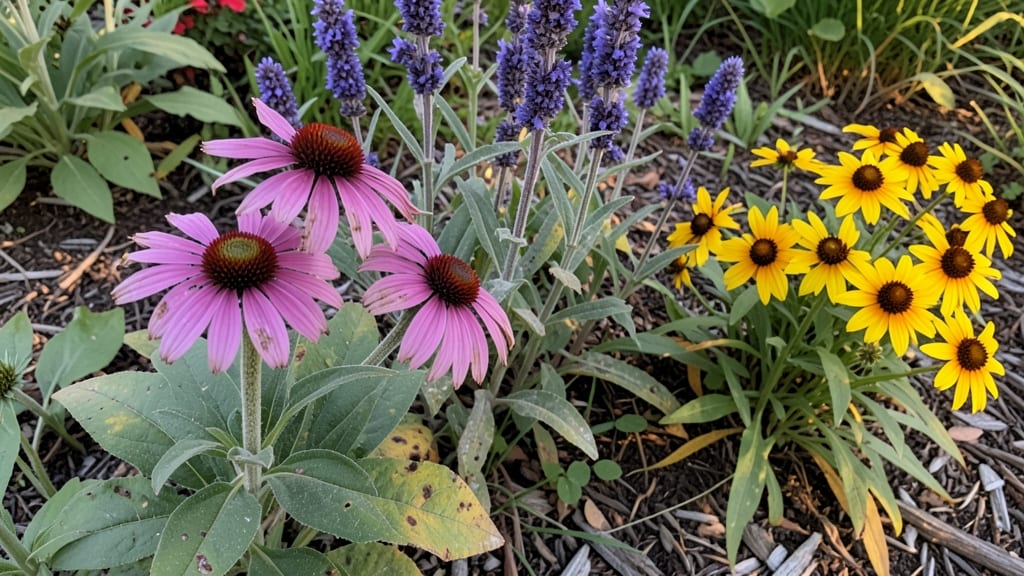
Perennial flowers are the garden's workhorses—they come back stronger every year because their roots store energy underground like a natural battery. 🌱 Unlike annuals that complete their life cycle in one season, perennials develop specialized structures (rhizomes, tubers, or crowns) that survive winter dormancy.
This means less work for you: once planted, they reward you with years of blooms, though some may need occasional division to prevent overcrowding. My go-to examples include coneflowers, which thrive in full sun and attract pollinators, or hostas that add lush foliage to shady spots.
What sets them apart is their adaptability—most perennials adjust to your local climate once established, though some (like peonies) prefer cooler regions while others (like black-eyed Susans) handle heat better.
The key to their longevity? Proper soil prep (amend with compost) and consistent moisture during their first growing season. With the right care, these plants can outlive gardeners themselves!
💡 In This Article
- How Perennial Flowers Survive Winter and Regrow
- Top Perennial Flowers for Beginners and Seasonal Blooms
How perennial flowers survive winter and regrow
Perennial flowers endure winter through specialized underground structures that act like survival kits. Most store energy in rhizomes (horizontal stems like in iris), tubers (thickened roots like peonies), or crowns (compressed stems near soil level). These structures contain stored carbohydrates and nutrients that fuel regrowth when conditions improve.
For example, a peony's tuber can shrink to 1 inch in diameter during dormancy but still contain enough energy to produce a 3-foot-tall plant the following spring.
The magic happens through a process called dormancy, triggered by shortening daylight and dropping temperatures. When nights stay below 40°F for several weeks, the plant's growth hormones shift from promoting above-ground growth to preserving energy underground.
This adaptation is why perennials like coneflowers can survive -20°F winters—their roots remain protected while annuals would freeze completely. 🌿 Unlike annuals that complete their life cycle in one season, perennials have evolved to pause growth, then resume when spring's warming soil (typically 50°F) and increasing light signal safety.
Moisture plays a critical role in breaking dormancy. While winter moisture helps maintain root health, it's the spring thaw that triggers regrowth. When soil temperatures reach 45-50°F and moisture becomes available, stored nutrients convert into sugars that fuel new shoot formation.
This is why consistent watering after 3-4 weeks of spring growth is crucial—it prevents stress during this vulnerable transition period. Biennials (like foxgloves) take this one step further by storing energy their first year to bloom and set seed in their second, but perennials repeat this cycle annually.
One fascinating adaptation is how perennials like hostas produce new root growth even while their foliage dies back. Their fibrous roots can extend 12-18 inches deep, creating a network that stabilizes the plant and accesses moisture from lower soil layers.
This deep root system also helps perennials outcompete weeds—a major advantage in established gardens. The trade-off? Some perennials (like daylilies) spread aggressively through rhizomes, requiring division every 3-5 years to maintain bloom vigor.
Compare this to annuals, which complete their entire life cycle in one season, or biennials that take two years to flower and set seed. Perennials have evolved to maximize their lifespan through these underground storage organs, which can live for decades.
For instance, a peony planted in the 1800s can still bloom today—its original roots may still be alive! This biological efficiency is why perennials dominate mature gardens, creating self-sustaining ecosystems that require less replanting over time. 🌸
The key to their success lies in their ability to balance growth and conservation. While annuals focus all their energy on rapid above-ground growth and reproduction, perennials allocate resources between immediate needs and long-term survival.
This dual strategy explains why established perennials often outperform annuals in challenging conditions, requiring less water and fertilizer once their root systems are fully developed.