
Flowers
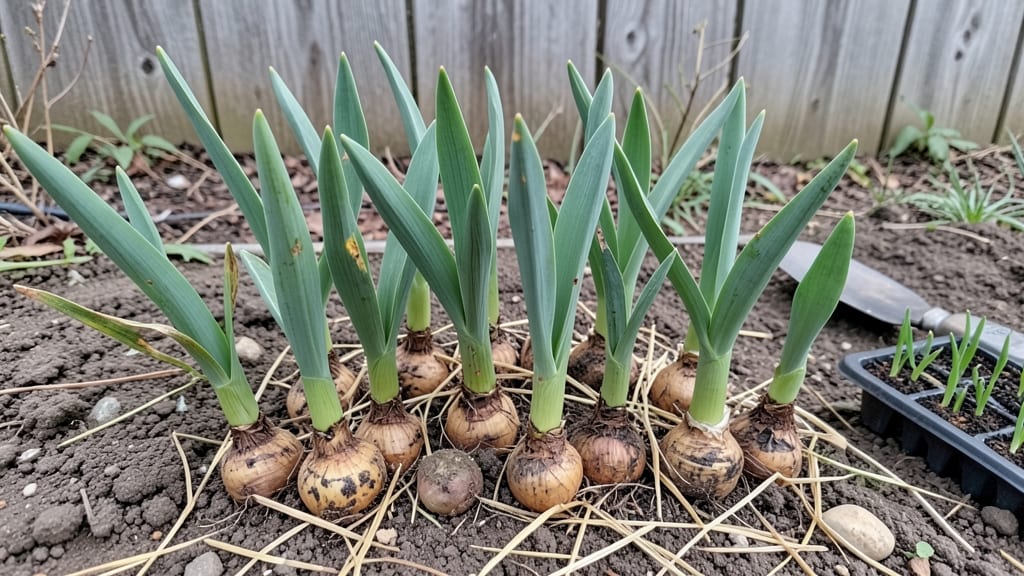
Yes, bulbs are perennials, but their lifespan and return rates vary widely: true perennials like daffodils and tulips regrow yearly, while others (like hyacinths) may decline after 3-5 years unless divided. Proper care—sunlight, soil, and seasonal dormancy—determines longevity.
Not all bulbs behave the same way in your garden. 🌱 Some, like tulips, thrive for years with minimal care, while others, such as grape hyacinths, may need dividing every few seasons to prevent overcrowding.
The key difference lies in their root systems—true bulbs store energy underground, but their growth habits depend on species and environmental conditions. For example, daffodils often multiply naturally, while crocuses may fade without proper soil drainage.
Understanding these variations helps you plan your garden layout. Many gardeners group short-lived bulbs with perennials to maintain color year-round, while long-lived varieties like alliums can become focal points. The Evergreen Seeds Team recommends testing your soil's drainage before planting—poor drainage is the #1 reason bulbs fail to return.
💡 In This Article
- How Bulb Lifecycles Differ as Garden Perennials
- Tips to Extend Bulb Perennial Growth in Gardens
How bulb lifecycles differ as garden perennials
The key to understanding why some bulbs return year after year while others fade lies in their biological structure and energy storage systems. True bulbs—like daffodils and tulips—store nutrients in layered, fleshy scales that regenerate annually.
These structures contain specialized cells that can survive winter dormancy while maintaining metabolic activity just enough to sustain life. The outer scales protect inner growth points, allowing them to push new shoots when conditions improve.
Not all underground storage organs behave identically. Rhizomes (like those of iris) grow horizontally and produce new shoots at nodes, while corms (such as gladioli) store energy in a solid, starchy base that regenerates each season. The difference? Rhizomes multiply through lateral growth, while true bulbs expand vertically.
This structural variation explains why some bulbs—like tulips—often need staking to prevent toppling, whereas rhizomatous plants like bearded iris spread aggressively and may require division every 3-5 years to maintain vigor.
Seasonal dormancy is another critical factor. Most bulbs enter a metabolic slowdown during winter, conserving energy until temperatures rise above 50°F. However, some tropical bulbs (like amaryllis) prefer warm winters and may decline if exposed to freezing temperatures.
The science here involves abscisic acid, a plant hormone that triggers dormancy by closing stomata and reducing water loss—similar to how deciduous trees prepare for winter.
What most gardeners don't realize is that bulb longevity depends on three key factors:
- Soil quality: Well-draining, fertile soil with 6.0-7.0 pH prevents rot while providing essential nutrients. Sandy loam is ideal for most bulbs.
- Sunlight exposure: Full sun (6+ hours/day) is critical for flowering, but some species (like snowdrops) tolerate partial shade.
- Post-bloom care: Leaving foliage until it yellows ensures the bulb replenishes energy stores through photosynthesis.
Consider the example of tulips, which often decline after 3-4 years in the same spot due to fungal diseases that accumulate in the soil. In contrast, alliums (like ornamental onions) can thrive for decades because their spherical bulbs resist rot and their spherical shape sheds water efficiently.
The texture of these bulbs—smooth and papery in alliums versus papery but layered in tulips—directly impacts their susceptibility to pathogens.
Here's what's actually happening underground: Bulbs that multiply (like daffodils) produce offsets—small bulblets that form at the base of the mother bulb. These offsets eventually detach and grow independently, creating dense clumps.
Meanwhile, bulbs that don't multiply (like hyacinths) rely solely on the parent bulb's energy reserves, which deplete over time without division. This biological mechanism explains why some gardens see 50% fewer blooms in hyacinths after just 5 years.
The takeaway? Bulb lifespan isn't just about the species—it's about matching the plant's natural growth habits with your garden's conditions. For example, planting tulips in containers with fresh potting mix each year mimics their natural offsetting behavior, while leaving daffodils undisturbed for a decade lets their colonies expand effortlessly. 🌱