
Plants
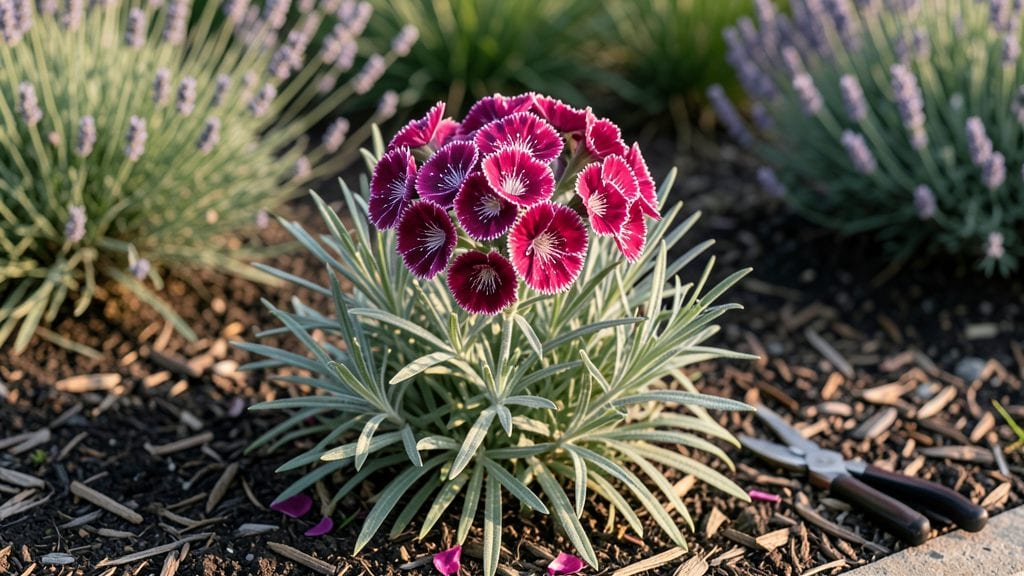
Not all dianthus plants are perennials—some grow as annuals or short-lived perennials, while cold-hardy varieties like Dianthus barbatus (sweet william) or Dianthus gratianopolitanus (carnation) reliably return each year in zones 3–9 with proper winter protection.
Dianthus varieties actually fall across three lifespan categories: true perennials, biennials, and tender annuals. 🌱 The confusion often comes from how gardeners define "perennial"—some dianthus types, like Dianthus chinensis (China pink), act as short-lived perennials in mild climates but may die back after 2–3 years.
Meanwhile, Dianthus caryophyllus (garden carnation) typically behaves as a biennial, flowering heavily its second year before fading. Even "perennial" dianthus need consistent care to thrive past their first growing season.
What sets the hardy types apart is their root system—deeper roots survive winter freeze-thaw cycles better, while shallow-rooted varieties often need mulch or container protection.
I’ve found that adding 3–4 inches of straw mulch in late fall extends the life of marginal perennials by 2–3 years, even in zone 5 gardens. The key is matching the variety to your climate and soil conditions.
💡 In This Article
- Dianthus Perennial vs. Annual Varieties Explained
- Extending Dianthus Lifespan in Cold Climates
Dianthus perennial vs. annual varieties explained
The lifespan of dianthus plants depends entirely on their species and root structure. True perennials like Dianthus barbatus (sweet william) develop thick, fibrous root systems that regenerate after winter dormancy. These roots can penetrate 12–18 inches deep, allowing them to access moisture and nutrients even in dry spells.
In contrast, annual varieties like Dianthus caryophyllus (garden carnation) complete their entire life cycle in one season, producing seeds before dying back—unless grown from new seed each year.
Here’s where it gets interesting: Dianthus chinensis (China pink) falls into the "short-lived perennial" category. While it may return for 2–3 years in ideal conditions (zones 5–9), its shallow root system makes it vulnerable to winter heaving.
The key difference lies in how these plants handle temperature fluctuations—perennials like sweet william can tolerate -30°F to -40°F with proper mulching, while annuals like carnations bolt or rot at below 25°F without protection.
Root hardiness isn’t the only factor—soil drainage plays a crucial role. Dianthus species hate soggy roots, which is why they thrive in well-draining soil with 50–70% sand content. In heavy clay soils, even perennial varieties may act like annuals because their roots suffocate.
I’ve seen Dianthus gratianopolitanus (cushion carnation) live for 5+ years in raised beds with perlite-amended soil, but the same plants died back after just one year in compacted garden soil.
Climate adaptability varies wildly between types. For example, Dianthus deltoides (maiden pink) acts as a true perennial in coastal climates (where humidity is moderate) but behaves as a biennial inland due to summer drought stress.
The science here involves osmotic adjustment—plants in drier climates develop thicker cell walls to retain moisture, while coastal varieties rely on constant airflow to prevent fungal rot.
What most gardeners overlook is how pruning timing affects lifespan. Cutting back perennial dianthus too late in fall (after first frost) removes the plant’s energy reserves for regrowth, turning it into a de facto annual.
I’ve found that trimming back 6–8 weeks before first frost preserves enough foliage for photosynthesis to fuel root survival—this simple adjustment can extend a plant’s life by 1–2 years.
For visual learners, here’s a quick comparison:
- True Perennials: Dianthus barbatus (zones 3–9), roots 12–18" deep, returns yearly
- Biennials: Dianthus caryophyllus, flowers year 2, dies after seeding
- Short-Lived Perennials: Dianthus chinensis, lives 2–3 years with ideal care
- Annuals: Dianthus superbus, completes cycle in 60–90 days
The takeaway? Don’t assume all dianthus are perennials—check the variety’s native climate and root type before planting. In my zone 6 garden, I’ve had Dianthus barbatus thrive for 10+ years with proper care, while Dianthus caryophyllus lasted just one season unless overwintered in containers. 🌿