
Plants
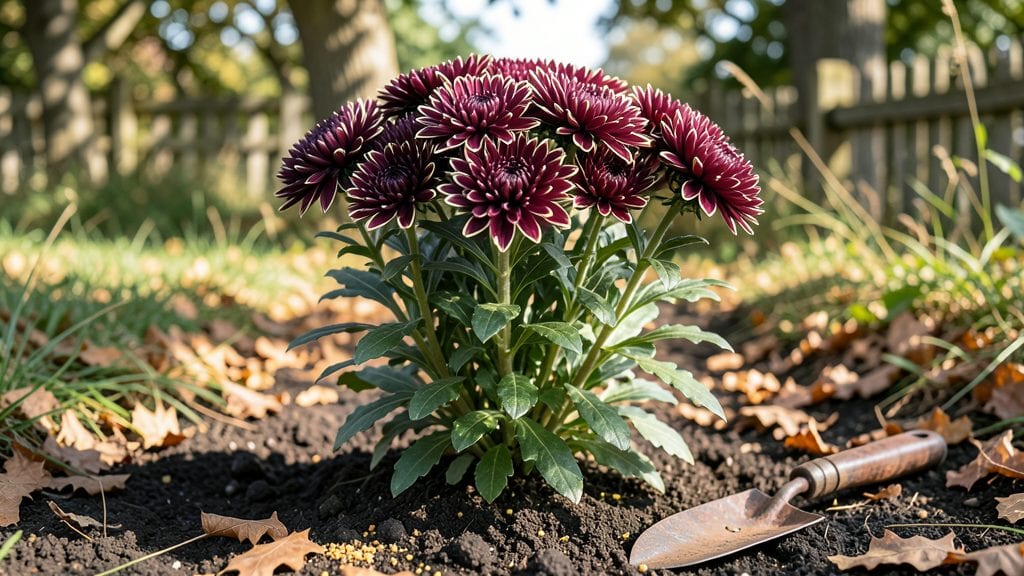
Belgian mums aren't true perennials in most climates—they act like tender perennials or short-lived annuals, thriving primarily in USDA zones 3-9 when given proper overwintering care like mulching or container storage.
These plants rely on their underground tubers to survive winter, but those tubers are sensitive to freeze-thaw cycles that can crack and rot them. 🌱 In colder zones, they often die back completely, while in warmer climates, they may regrow year after year with consistent care.
The key difference between true perennials and Belgian mums lies in their root systems—mums need protection to persist through harsh winters, making them more like "conditional perennials" than reliable hardy plants.
Many gardeners treat them as annuals because they don't always return, but with the right overwintering techniques, you can extend their lifespan dramatically. The secret lies in timing—cutting back foliage before frost and insulating the tubers with thick mulch or moving potted plants to protected spaces.
This approach transforms their behavior from annual to perennial-like over time.
💡 In This Article
- Belgian Mum Cold Hardiness by USDA Zone
- Overwintering Belgian Mums: Step-by-Step Survival Guide
Belgian mum cold hardiness by USDA zone
Belgian mums (Chrysanthemum × morifolium) struggle in colder climates because their fleshy tubers lack the protective bark layer found in true perennials like peonies. When temperatures drop below 20°F, these tubers become vulnerable to freeze-thaw damage, where ice crystals form and rupture cell walls during temperature fluctuations.
This is why they behave more like tender perennials—capable of returning only if their roots survive winter intact. 🌡️
Their cold tolerance varies dramatically across USDA zones. In zones 3-5, Belgian mums often die back completely without heavy mulching (8-12 inches of straw or leaves), while zones 6-9 allow them to overwinter with minimal protection.
Southern zones (9-10) pose a different challenge: excessive summer heat (> 90°F) can stress the tubers, causing premature dormancy or rot if soil moisture isn't carefully managed.
What most gardeners miss is how soil temperature affects tuber dormancy. Belgian mums enter dormancy when soil temps drop below 50°F, but their roots remain active until 32°F. This means even a light frost can damage emerging shoots in early spring if the tubers weren't properly insulated.
In contrast, true perennials like hostas can handle -20°F because their rhizomes contain antifreeze proteins that prevent ice formation.
Heat tolerance explains why Belgian mums often perform better as annuals in southern climates. While they can handle 100°F daytime temps, prolonged exposure above 95°F triggers stress hormones that weaken the tubers.
This is why many gardeners in zone 10 treat them as summer bloomers rather than perennials—they simply can't survive the heat and humidity combo without careful water management.
Here's the key difference: True perennials like coneflowers regenerate from deep, protected root systems, while Belgian mums rely on their tubers—which are only 2-4 inches below soil level. This shallow root system makes them far more sensitive to both cold snaps and summer droughts. 🌱 The solution?
In colder zones, lift and store tubers in 40°F conditions; in hot zones, provide afternoon shade and consistent moisture.
The science behind this involves tuber respiration rates. Belgian mums respire actively until soil temps drop below 45°F, meaning they continue burning stored energy even in winter.
This rapid energy depletion weakens their ability to regrow in spring. True perennials, however, can enter true dormancy where respiration nearly stops, conserving energy for next year's growth.
For gardeners in marginal zones (5-7), the secret is timing: Cut back foliage when night temps hit 40°F and mulch before the first hard frost. This creates an insulating layer that maintains soil temps above 30°F, the critical threshold where tuber damage begins.
In contrast, true perennials can handle 15°F soil temps because their root systems are designed for winter survival.