
Orchid Care
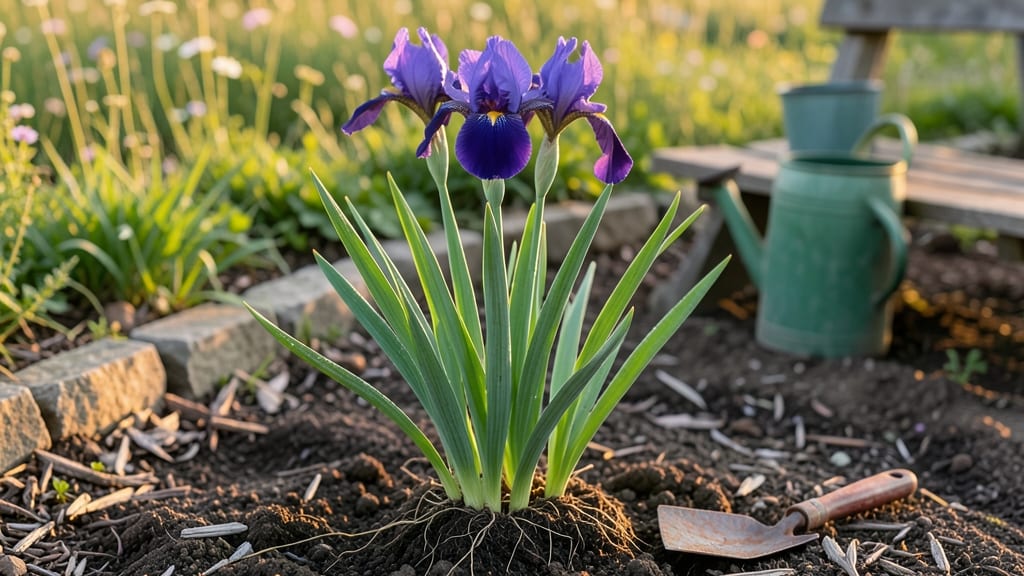
Most gardeners think of irises as dependable perennials because their root systems store energy between seasons. 🌸 The key difference lies in climate—temperate irises (like bearded varieties) thrive in zones 3–9, while tropical irises (such as rain lilies) need warmer zones 9–10 to survive winter.
Even "perennial" irises can act like annuals if exposed to freezing temperatures without protection, so understanding your local frost dates is crucial for long-term success.
For example, bearded irises in zone 5 might bloom for 5+ years with proper division and mulching, while a rain lily in zone 7 could die back completely in winter only to regrow from seed the next spring.
The secret to extending their lifespan lies in matching care to your specific variety and climate zone.
💡 In This Article
- How Iris Life Cycles Differ by Variety
- Best Practices for Extending Iris Perennial Growth
How iris life cycles differ by variety
The distinction between perennial and annual irises comes down to their native climates and growth strategies. Temperate irises, like the iconic bearded iris (Iris germanica), are true perennials with thick rhizomes that store starches and nutrients underground during dormancy.
These rhizomes can survive -20°F to -30°F with proper mulching, allowing the plant to regrow each spring from the same root system. Their life cycle spans 3–5 years or longer, with some historic specimens blooming for over 20 years in ideal conditions.
Tropical irises, however, operate on a different schedule. Varieties like rain lilies (Iris ×iphiana) and Louisiana irises (Iris brevicaulis) thrive in zones 9–10 and may behave as annuals in colder regions.
Their bulbs or rhizomes lack the cold hardiness of temperate types, often dying back completely in frost but regenerating from seed or offsets the following season.
The key difference lies in their dormancy triggers: temperate irises enter dormancy in response to cool temperatures, while tropical types rely on dry periods to signal rest. 🌱
Hybrid irises add complexity to this picture. For example, the Siberian iris (Iris sibirica) bridges the gap between temperate and tropical, tolerating zones 3–8 but preferring moist, well-drained soil. Its rhizomes are less robust than bearded irises but more resilient than tropical types.
Another hybrid, the Japanese iris (Iris ensata), thrives in zones 5–9 but requires consistent moisture—drought stress can shorten its lifespan. These hybrids often produce 2–3 years of blooms before needing division to prevent overcrowding.
Climate zones play a critical role in determining iris longevity. In USDA zones 3–5, bearded irises may survive 5+ years with winter mulch, while in zone 7, tropical irises might act as annuals unless protected.
The first frost date in your area dictates dormancy timing: temperate irises need 6–8 weeks of below 50°F temperatures to fully harden off, while tropical types can't handle prolonged cold.
This is why gardeners in zone 6 often treat rain lilies as annuals—they'll bloom beautifully but may not return after winter.
Here's what's actually happening botanically: The rhizomes of perennial irises contain high starch reserves that fuel regrowth, while tropical bulbs prioritize rapid above-ground growth during warm seasons. The vascular cambium layer in rhizomes (a growth ring) thickens yearly, much like tree rings, indicating age and resilience.
In contrast, tropical irises rely on offsets—small bulblets—for reproduction rather than long-term rhizome storage. 🌿
For gardeners, this means selecting the right iris for your zone is half the battle. A bearded iris in zone 4 can outlast a tropical type by decades, while a rain lily in zone 9 might return year after year.
The secret to longevity? Matching care to the iris's native climate patterns: temperate types need full sun and well-drained soil, while tropicals prefer partial shade and consistent moisture. Even "perennial" irises can act like annuals if planted in the wrong conditions.