
Flowers
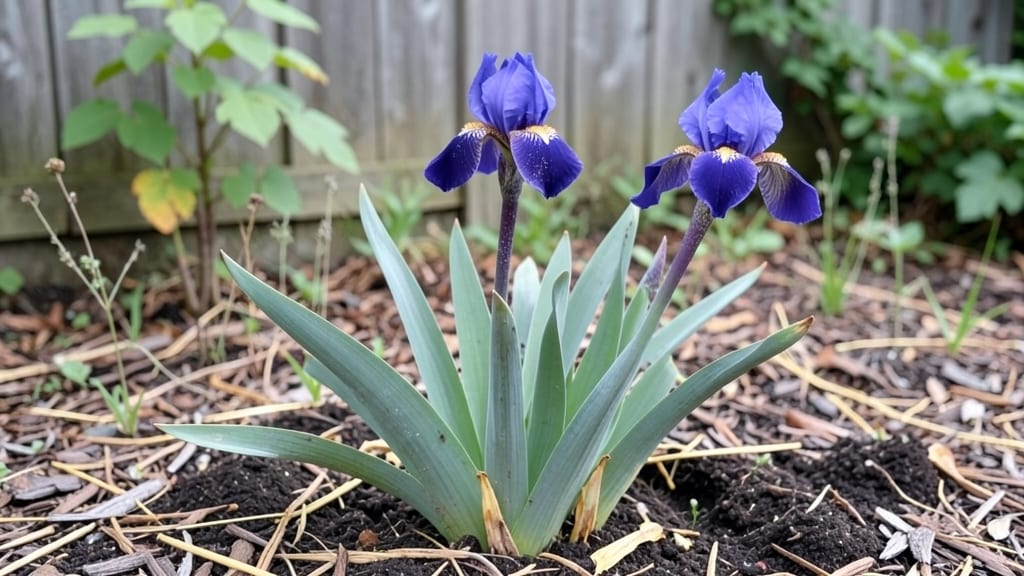
Iris plants are perennials that flourish year after year, growing more robust with each season when properly maintained, though their vitality may wane after 3-5 years unless divided to refresh their growth.
These hardy plants rely on their thick, fibrous rhizomes to store nutrients through dormancy, allowing them to rebound vigorously each spring. 🌱 The key to their longevity lies in understanding their growth cycles—most varieties bloom early in the season, then enter a resting phase during summer heat, only to re-emerge stronger in cooler months.
Climate plays a role too: irises in warmer zones may need more frequent division, while those in colder regions can thrive for longer stretches before requiring renewal.
What sets irises apart is their ability to self-propagate through offsets, but this very trait can lead to overcrowding if left unchecked. When you notice fewer blooms or smaller leaves, it's time to dig in and separate the congested clumps.
This isn't just about aesthetics—dividing every 3-5 years prevents disease and revitalizes the plant's energy for another decade of stunning displays.
💡 In This Article
- Lifespan and Growth Cycles of Iris Plants
- When and How to Divide Overgrown Iris Clumps
Lifespan and growth cycles of iris plants
Iris plants thrive as perennials thanks to their specialized underground storage organs. Most garden varieties grow from thick, fleshy rhizomes that store carbohydrates and nutrients during dormancy, allowing them to regenerate each spring.
These rhizomes grow horizontally just below the soil surface, forming dense networks that can live for decades under ideal conditions. The key biological mechanism is their ability to enter summer dormancy when temperatures exceed 80°F, conserving energy while avoiding heat stress.
Rhizomatous irises (like the popular bearded iris) typically live 5-10 years before requiring division, while bulbous types (such as Dutch iris) last only 2-3 years due to their different storage structures.
The rhizome system gives garden irises their persistence—each year's growth produces new shoots while the old rhizome section dies back, creating a natural renewal cycle. This contrasts with bulbous irises that rely on annual bulb replacement for vigor.
Seasonal patterns are critical to iris longevity. Most varieties bloom in spring (March-May), then enter summer dormancy when soil temperatures reach 75°F or higher. During this period, the plant's metabolic activity slows dramatically, with only the rhizome remaining active.
In colder climates (USDA zones 3-6), this dormancy extends into winter, while warmer zones (7-9) may see year-round growth with reduced vigor.
Climate significantly impacts iris lifespan. In northern regions, the freeze-thaw cycle actually benefits rhizomes by breaking down old tissue, while southern climates often require more frequent division due to continuous growth pressure.
The most critical factor is proper moisture management—irises need 1-1.5 inches of water weekly during active growth but must dry completely during dormancy to prevent rot. Overwatering in summer is the #1 cause of premature decline.
What most gardeners miss is how iris leaves serve as energy factories. The broad, sword-like foliage conducts photosynthesis year-round in mild climates, building up reserves for next season's blooms. When you see healthy foliage persisting through summer, that's your plant storing energy for another 3-5 years of growth.
The trade-off? Dense foliage can shade out new shoots, which is why division every 3-4 years prevents this competition.
For comparison, consider Dutch iris (a bulbous type) which lasts only 2-3 years because their bulbs don't regenerate like rhizomes. The bulb's energy stores deplete annually, while iris rhizomes actually gain mass each year through photosynthesis.
This fundamental difference explains why garden irises dominate perennial borders while Dutch iris requires annual replanting for consistent displays.
Here's the practical takeaway: Your iris's lifespan depends on three factors—rhizome health, seasonal care, and division timing. When you notice blooms shrinking or leaves yellowing in summer, it's not age—it's often a sign of overcrowded rhizomes or improper dormancy conditions.
The good news? With proper care, even 10-year-old iris clumps can be revived through division and thrive for another decade. 💫