
Orchid Care
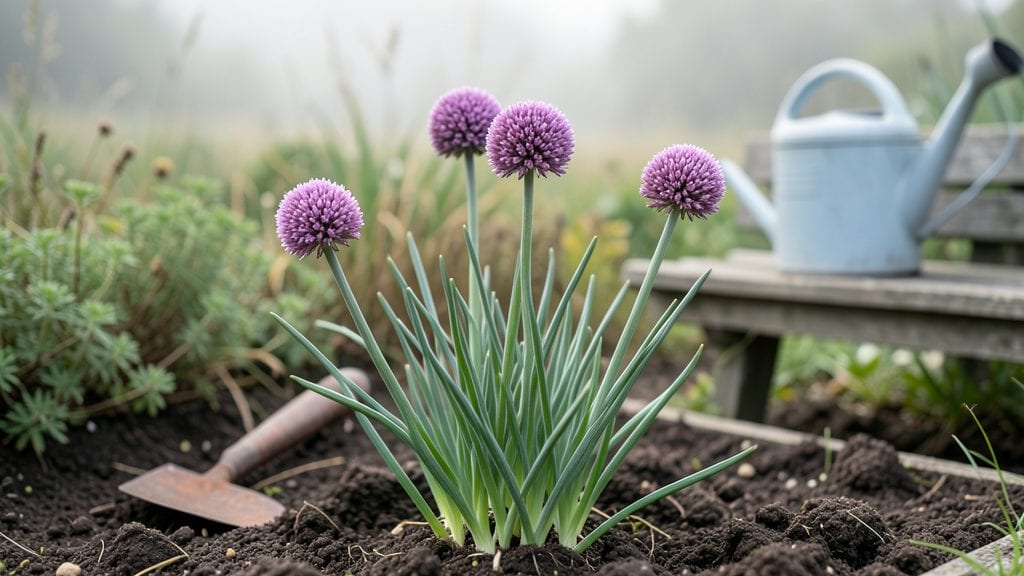
Chives are perennial herbs, meaning they regrow each year from their root system, unlike annual herbs like basil or cilantro that complete their life cycle in one season. This hardy growth pattern makes them perfect for gardeners who want consistent harvests without replanting.
This perennial nature comes from chives' deep, fibrous root system that stores energy underground during winter months.
Unlike annual herbs that bolt and die after flowering, chives simply go dormant then burst back to life in spring. 🌱 Their cold tolerance lets them thrive in USDA zones 3-9, making them one of the most resilient kitchen herbs for northern climates. The trade-off?
They grow more slowly than annuals but reward you with 3-5 years of harvests from a single planting.
For gardeners, this means less work long-term—no annual replanting—but requires proper winter care in colder zones (like mulching) to protect those energy-storing roots. The regrowth cycle typically begins in early spring when soil temperatures hit 50°F, giving you fresh green shoots before most annual herbs even sprout.
💡 In This Article
- How Chives Survive as Perennial Herbs
- Growing Perennial Chives: Planting and Care Tips
How chives survive as perennial herbs
Chives thrive as perennials thanks to their specialized root system called a corm, which stores nutrients and energy underground. Unlike annual herbs that rely on quick above-ground growth, chives develop a bulb-like structure that survives winter dormancy.
This corm contains starch reserves that fuel regrowth when temperatures rise, allowing them to emerge year after year without replanting. 🌱 The root system extends about 6-12 inches deep, anchoring the plant while protecting it from temperature fluctuations.
Their cold hardiness comes from a natural antifreeze mechanism in their cells. Chives can tolerate temperatures down to -30°F when properly mulched, thanks to proteins that prevent ice crystal formation in their tissues. This contrasts sharply with annual herbs like cilantro, which die when exposed to 32°F frost.
During dormancy, chives reduce metabolic activity by up to 90%, conserving energy until spring when soil temperatures reach 45-50°F—the threshold that triggers regrowth.
What sets chives apart is their regrowth cycle timing. While annual herbs complete their life cycle in 60-90 days, chives enter a 3-5 year growth pattern. Their leaves grow from the base rather than the tips, allowing continuous harvesting without killing the plant.
This basal growth habit, combined with their ability to produce new shoots from the corm, creates a self-sustaining system that annual herbs simply can't match. 💫
Climate adaptability plays a crucial role in their perennial success. Chives thrive in USDA zones 3-9, making them one of the most versatile herbs for northern gardens. In colder regions, their roots develop deeper to escape frost lines, while in warmer zones, they grow more aggressively above ground.
The trade-off? Their slower initial growth compared to annuals means you won't see harvestable leaves until 4-6 weeks after planting, but this patience pays off with years of harvests.
Here's what happens during their annual cycle:
- Spring: New shoots emerge when soil reaches 50°F, growing 6-12 inches tall
- Summer: Produces flowers (edible!) while maintaining leaf growth
- Fall: Stops growing at 40°F but remains green until frost
- Winter: Goes dormant with roots storing 70%+ of annual energy
Their ability to regenerate from just a 1-inch root piece makes chives nearly indestructible. Even if you accidentally dig up the entire plant, as long as you replant a portion of the root, it will regrow. This resilience explains why chives have been cultivated for centuries—from ancient Egyptian gardens to modern kitchen windowsills. 🔥