
Plants
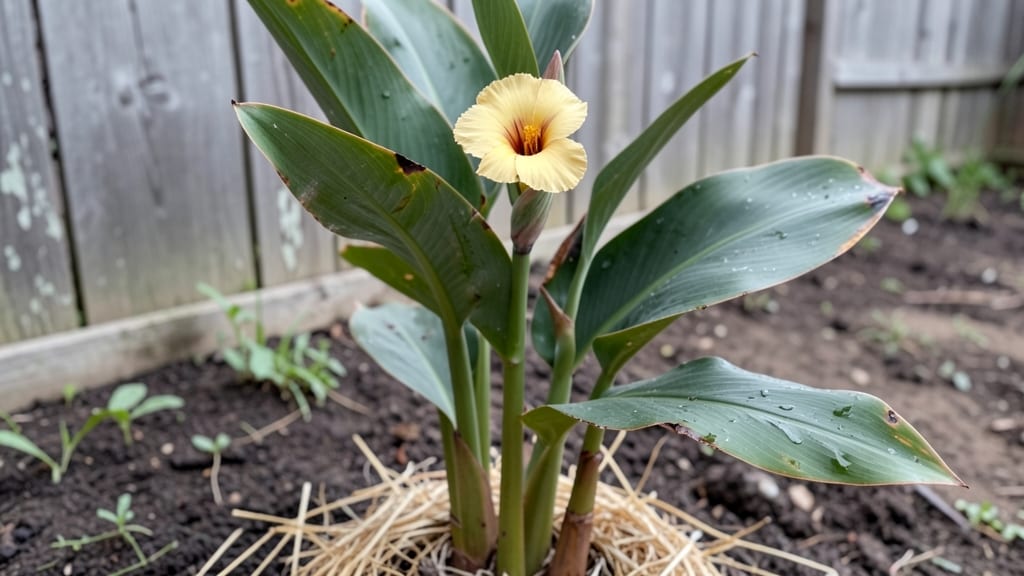
Canna plants qualify as perennials in frost-free zones but behave as tender perennials in colder climates, relying on their underground rhizomes to survive winter dormancy. With proper care like mulching or indoor storage, they reliably return each spring in zones 8-11.
Canna plants earn their perennial status in warm climates where freezing temperatures never occur. 🌱 The secret lies in their thick rhizomes, which store carbohydrates and moisture to fuel regrowth when conditions improve.
In colder regions, gardeners must intervene with protective measures—whether digging up tubers for indoor storage or applying thick mulch layers to insulate the soil. This adaptability makes them a favorite among gardeners in transitional climates, where they can push the limits of hardiness with the right preparation.
What sets cannas apart from true perennials like hostas is their sensitivity to prolonged cold. While hostas might survive 0°F with proper mulching, cannas typically succumb to damage below 30°F.
However, their dramatic foliage and vibrant blooms make the extra effort worthwhile for many gardeners willing to put in the seasonal care.
💡 In This Article
- Canna Plant Cold Tolerance and Rhizome Survival
- Winterizing Canna Plants for Year-Round Growth
Canna plant cold tolerance and rhizome survival
Canna plants enter dormancy through a biological process called rhizome quiescence, where their underground storage organs slow metabolic activity to conserve energy.
Unlike true perennials that survive winter above ground, cannas rely on their thick, fleshy rhizomes to act as living batteries—storing starches, sugars, and moisture that fuel regrowth when temperatures rise.
The key trigger is cell membrane damage at 30°F, where ice crystals form within plant tissues, rupturing fragile cells and causing irreversible damage to foliage and stems.
The rhizome's survival strategy involves a two-phase energy reserve system: an outer protective layer prevents desiccation while inner cells remain metabolically active at reduced rates.
Studies show these tubers can maintain viability for 6-8 months in ideal conditions (40-50°F and 50-70% humidity), though prolonged exposure to below 32°F accelerates deterioration.
This hardiness explains why cannas thrive in USDA zones 8-11 but require intervention in colder areas—unlike caladiums (which die back completely) or elephant ears (which need 20°F protection).
What most gardeners don't realize is that canna rhizomes contain up to 30% starch content by dry weight, giving them the energy density of a potato but with specialized adaptations. The rhizome's vascular system shuts down non-essential functions during dormancy, redirecting resources to root maintenance.
This is why properly stored rhizomes can sprout within 2-3 weeks of warm soil exposure—long before new leaves emerge above ground. The trade-off? Their tropical origins mean they lack the frost tolerance of native perennials like hostas, which have evolved specialized antifreeze proteins in their cells.
Comparing cannas to other tropical plants reveals their unique survival strategy. While caladiums and elephant ears also rely on underground tubers, canna rhizomes develop a protective callus layer that reduces water loss by 40% compared to bare tubers.
This explains why cannas can sometimes survive brief 25°F dips if protected by mulch, whereas caladiums typically require 55°F minimum storage conditions. The difference lies in their evolutionary adaptations: cannas originated in South America's seasonal climates, where they experienced periodic cold snaps but never prolonged freezes.
Here's what happens when temperatures drop below 30°F for extended periods: the rhizome's protective mechanisms fail as ice formation disrupts cellular respiration. Without intervention, the stored energy depletes faster than it can be replenished.
This is why gardeners in zone 7 often lose cannas to winter—even with mulch—whereas those in zone 8 might see partial survival. The solution? Mimicking their natural dormancy cycle through controlled storage conditions that maintain 45-55°F temperatures and 60% humidity preserves their viability until spring planting.
The science behind canna regrowth involves auxin hormone redistribution within the rhizome. When exposed to warmth, these growth regulators trigger cell division at the apical meristems (growth points), producing new shoots within 10-14 days.
This rapid response explains why gardeners often see cannas emerge before other perennials—once their energy reserves are activated. The trade-off is their sensitivity to below-ground freezing, which is why proper soil insulation becomes critical in marginal climates.