
Flowers
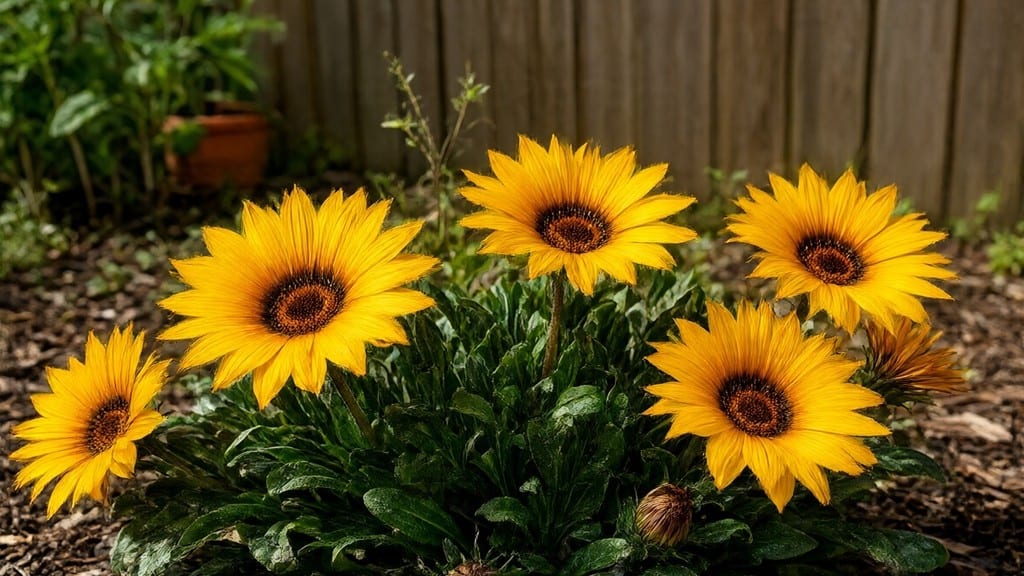
This distinction matters because gazanias behave differently based on where you live.
In colder regions, they complete their life cycle in one season, while in warmer areas, their roots survive winter, allowing them to bloom again. 🌸 The key difference lies in their tolerance for frost—even a light freeze can kill them back to the ground, which is why gardeners in marginal zones often treat them as tender perennials by bringing them indoors or using protective measures.
For example, in USDA Zone 9, where winters rarely drop below 20°F, gazanias will often reseed themselves naturally, creating dense clusters year after year.
But in Zone 7 or colder, they'll need extra care—like cutting back before frost or growing them in containers—to extend their lifespan beyond a single season.
💡 In This Article
- Gazania Cold Tolerance and Winter Survival Facts
- Extending Gazania Lifespan in Cold Climates
Gazania cold tolerance and winter survival facts
Here's what happens when gazanias face frost: their cells contain water that expands when frozen, rupturing delicate membranes and killing the plant tissue. Even a light freeze below 32°F triggers irreversible damage to their tender roots and stems.
This is why they're classified as annuals in cold climates—they simply can't survive winter's harsh conditions. The science behind this involves their tropical origins (South Africa), where they evolved without exposure to freezing temperatures.
In contrast, gazanias in frost-free zones (USDA 10-11+) behave differently. Their roots develop a natural dormancy during cooler months, storing energy to fuel regrowth when temperatures rise above 50°F. This dormancy isn't true hibernation like woody perennials, but rather a suspended growth state.
The key difference is that their root systems remain intact through mild winters, allowing them to resprout in spring. This creates the illusion of perennial behavior when they actually return year after year.
What most gardeners don't realize is that gazanias can survive brief exposures to 28°F if protected, but prolonged cold below 25°F will kill them back to the ground. This threshold explains why they're treated as annuals in Zone 8 and colder—even a single hard freeze can wipe out entire plants.
The plant's ability to regrow depends entirely on whether its root crown survives intact, which requires temperatures to stay above 20°F for extended periods.
Consider this zone breakdown for practical understanding:
- Zones 10-11: True perennial behavior—roots survive winter, plants regrow naturally
- Zone 9: Marginal survival—may return if protected from 20°F freezes
- Zones 8 and below: Annual treatment required—frost kills all above-ground growth
The confusion arises because gazanias can reseed prolifically, creating dense clusters that make them appear perennial. However, these are new plants from seed, not the original parent plant returning. This self-seeding habit is their survival strategy in cold climates where winter kill is inevitable. The plant's true nature becomes clear when you try to overwinter them—most gardeners find that even well-established plants won't survive unless given special protection.
What makes this especially interesting is how gazanias handle temperature fluctuations differently at various growth stages. Young seedlings can tolerate cooler nights (50°F) better than mature plants, while established roots can survive brief cold snaps that would kill foliage.
This stage-dependent tolerance explains why some gardeners in Zone 9 report success with overwintering while others fail—it often comes down to timing and protection methods rather than inherent cold hardiness.
Understanding these mechanisms helps explain why gazanias are classified as annuals in most regions despite their ability to return year after year in warm climates. Their survival depends entirely on environmental conditions rather than biological perennial traits. 💫