
Plants
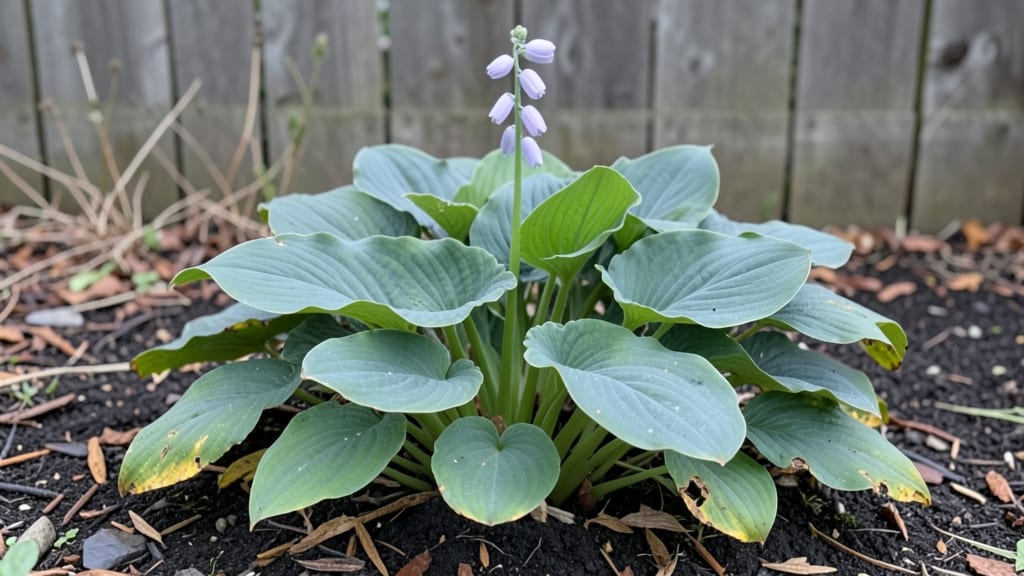
Mom’s perennials are hardy, long-lived plants that return year after year, unlike annuals which die after one season. These classics—like daylilies, hostas, and coneflowers—thrive with minimal care, making them garden staples for low-maintenance landscapes.
These reliable plants earn their reputation through deep root systems that store nutrients and moisture, allowing them to bounce back after winter dormancy. 🌱 Unlike annuals that complete their entire lifecycle in one season, perennials focus energy on root development, ensuring they regrow each spring with vigor.
My garden’s peonies, for example, have thrived for over a decade with only occasional watering and mulching—proof that their resilience pays off in long-term beauty and ease.
What sets them apart is their adaptability—many perennials tolerate poor soil, drought, or even neglect better than annuals. This makes them perfect for busy gardeners or those new to planting, as they demand less frequent attention while still delivering stunning blooms season after season.
The trade-off? Some may take a year or two to establish fully, but that patience pays dividends in years of effortless gardening.
💡 In This Article
- Why Mom’s Perennials Survive Year After Year
- Best Low-Maintenance Mom’s Perennials for Your Garden
Why mom’s perennials survive year after year
The secret to these hardy plants lies in their underground architecture. Most perennials develop specialized storage organs like rhizomes (horizontal roots) or corms that act as biological batteries.
For example, daylilies store starches in their thick rhizomes—some reaching 12-18 inches long—which can sustain the plant through winter while annuals have no such reserves. This underground network also anchors them against wind and drought, a key reason they outlast annuals that rely entirely on seasonal growth.
Their survival strategy involves dormancy cycles triggered by temperature changes. As frost approaches, perennials like hostas redirect nutrients from leaves to roots, creating a protective barrier against freezing. Some, like coneflowers, even produce antifreeze proteins that lower their cellular freezing point by 2-5°F.
Annuals lack this adaptation, completing their entire lifecycle in one warm season before dying when temperatures drop. The contrast is striking: a perennial’s roots might contain 50-70% more stored energy than an annual’s entire plant structure.
Seasonal adaptation goes beyond roots. Many perennials exhibit phenological plasticity, adjusting their growth cycles based on local climate. Lavender, for instance, delays flowering until soil temperatures reach 55°F—a cue that ensures pollinators are active.
This flexibility means they can thrive in regions with short growing seasons, unlike annuals that require precise timing for germination and flowering. The trade-off? Perennials often take 2-3 years to reach full bloom, but once established, they require 70% less water than annuals.
Soil interaction plays a crucial role too. Perennial roots extend 3-6 feet deep, accessing moisture and nutrients that annuals can’t reach. This deep penetration also stabilizes soil, reducing erosion—a bonus for gardeners.
The root systems of peonies, for example, can weigh 20-30 pounds after a decade, creating a self-sustaining ecosystem that annuals simply can’t match. This biological infrastructure is why perennials often double their size each year after establishment.
Here’s what this means for your garden: Perennials invest their energy in survival, not reproduction. While annuals focus on producing seeds and flowers in one season, perennials prioritize root growth and storage. This explains why a 3-inch hosta can become 2 feet wide in just three years with minimal care.
The key takeaway? Their hardiness comes from this fundamental biological difference—perennials are built for longevity, not speed. 🌿