
Pests and Diseases
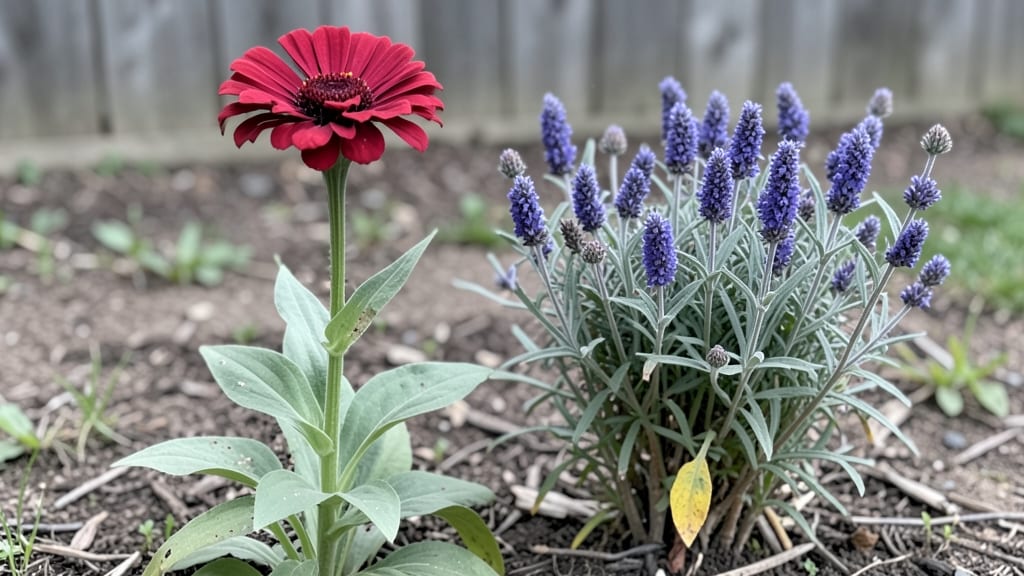
To define annuals and perennials, focus on their lifespan: annuals thrive, bloom, and die in a single growing season, while perennials return year after year from the same root system, often growing stronger with each season.
Annuals and perennials differ fundamentally in how they invest energy—annuals pour everything into rapid growth and reproduction, while perennials prioritize root systems that store nutrients for future regrowth. 🌱 This explains why perennials like coneflowers or peonies rebound effortlessly each spring, whereas annuals like sunflowers or impatiens need replanting every year.
Understanding these cycles helps gardeners plan for seasonal color shifts or long-term landscape stability.
For example, pairing quick-blooming annuals with slow-starting perennials ensures vibrant gardens from spring through fall. Many gardeners use annuals for bold seasonal accents while relying on perennials like lavender or black-eyed Susans for foundational structure.
The key difference lies in their survival strategies—annuals focus on speed, while perennials focus on endurance.
💡 In This Article
- How Plant Lifespans Determine Annual vs Perennial Growth
- Choosing Annuals and Perennials for Your Garden Layout
How plant lifespans determine annual vs perennial growth
Here's what's actually happening beneath the soil: annuals and perennials have fundamentally different root systems that dictate their survival strategies. Annuals develop shallow, fibrous roots that spread quickly to absorb nutrients and water during their single growing season.
Think of them like sprinters—all energy goes into rapid growth and seed production before winter. In contrast, perennials invest in deep, robust root systems that store carbohydrates (like starch) for regrowth, similar to how trees store energy in their trunks. 🌱
The key factor is dormancy: annuals complete their life cycle before winter, while perennials enter a survival mode where their roots remain dormant but alive. Perennials like peonies can store enough energy to regrow leaves within 2-4 weeks of spring thaw, whereas annuals like cosmos must germinate anew each season.
This explains why perennials often smell sweeter—their roots release aromatic compounds during regrowth, while annuals focus all energy on flowering.
Temperature triggers play a massive role in their growth patterns. Annuals rely on warm soil (typically 60-65°F) to germinate quickly, while many perennials need cold stratification—exposure to cold temperatures—to break dormancy.
For example, foxgloves require 60-90 days of cold to germinate properly, whereas marigolds sprout within 5-10 days of warm soil contact. This timing difference is why gardeners often plant annuals earlier in spring than perennials.
What most people don't realize is how energy storage works in perennials. Their roots act like biological batteries, converting sunlight into stored starch during summer growth. A mature hosta root can store enough energy to produce 50-100 leaves the following spring without additional sunlight.
Annuals, meanwhile, can't store energy—they must complete their life cycle before winter kills them, which is why they often produce hundreds of seeds per plant to ensure next year's survival.
Consider these survival adaptations in action: annuals like zinnias grow 3-4 feet tall in 60-90 days, while perennials like black-eyed Susans take 2-3 years to reach full bloom but return stronger each season.
The trade-off? Annuals give instant color but require replanting, while perennials demand patience but offer long-term rewards. 🌿
Even their response to pests differs. Annuals like basil grow so fast that they outpace many insects, while perennials like lavender develop chemical defenses (like essential oils) over years.
This explains why perennials often smell stronger with age—their survival mechanisms become more pronounced. Understanding these differences helps gardeners choose plants that match their maintenance level and seasonal goals.