
How To
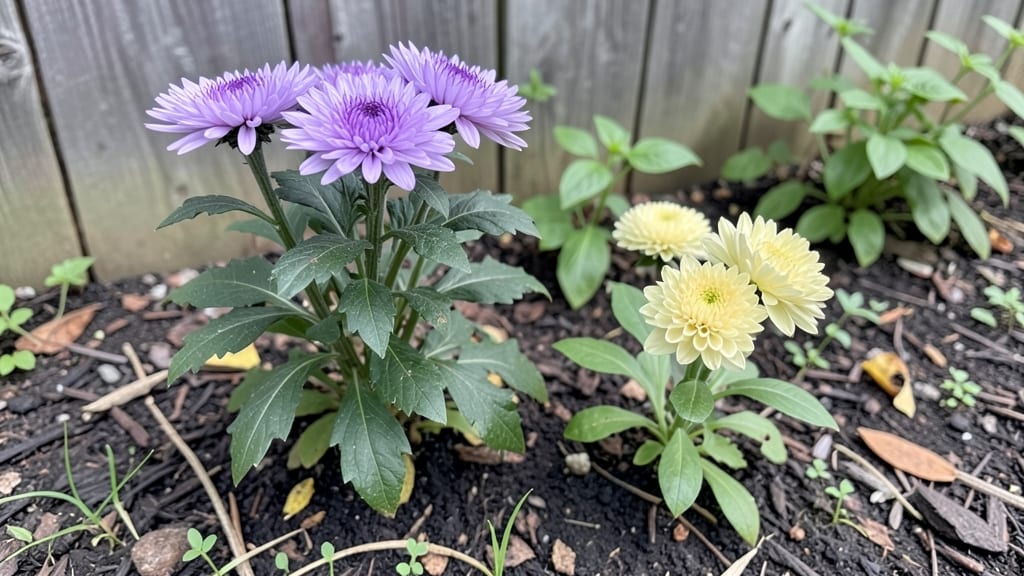
Telling if your mums are annuals or perennials comes down to one simple question: will they bounce back next spring? 🌱 In colder climates like mine in Zone 5, store-bought mums always die back—because they're treated as annuals, not perennials.
The difference isn't just in how you plant them; it's in how they survive winter.
Here's the game-changer: perennials keep their roots alive through winter, while annuals don't. In warmer zones (6-9), those same mums might return year after year with proper care. Look for hardy varieties like 'Hardy Gold' or 'Mammoth'—they're the ones that prove themselves as perennials in milder winters.
The key is matching the plant to your last frost date.
You'll know you've got a perennial mum when it sends up fresh green shoots by early May, even after the old foliage browns. Annuals? They'll be gone by spring, leaving you to replant.
With perennials, you get years of blooms with minimal effort—just divide clumps every 3-4 years to keep them vigorous.
Fair warning: even perennials need winter protection in colder zones. Mulch heavily with straw or leaves, and consider a cloche for first-year plants. The payoff? Mums that come back bigger and better each season, not just the one-year flash you get from annuals. Let's get those clues decoded!
📚 In This Guide
- What you need
- Instructions
- Tips and common mistakes
- Wrapping up and next steps
What you need
- ● Gardening gloves – A pair (preferably water-resistant) to protect your hands while digging and inspecting roots.
- ● Hand trowel or small garden fork – For gently lifting plants to check roots without causing damage.
- ● Notebook or smartphone – To jot down observations like leaf color, growth patterns, and climate notes.
- ○ Magnifying glass (optional but helpful) – For closely examining fine details like leaf texture or root structure.
- ● Plant tags or labels (if available) – Some nurseries provide these with purchase; they often include care instructions.
- ● Local climate zone guide – A printed or digital reference (e.g., USDA Plant Hardiness Zone Map) to compare your region’s frost dates.
- ● Digital camera – To document leaf changes over time or share findings with fellow gardeners.
- ● Soil thermometer – For tracking soil temperatures, which can hint at perennial survival in colder months.
- ● Seed packet or plant database app – Apps like PlantNet or iNaturalist can help identify mum varieties.
- ● Pruning shears – If you need to trim back dead foliage for a clearer view of new growth.
Step-by-step guide to identifying mum plant lifespan in your garden
Here's how to spot the key differences between annual and perennial chrysanthemums.
🌿 Step 1: Observe Leaf Health Through the Growing Season
Start by watching your mums' leaves from early summer through fall. Annual mums will show rapid decline—leaves yellowing, browning, or dropping completely by late fall or early winter. Perennial mums, however, maintain their foliage throughout winter, though it may turn brown and crispy during cold snaps.
This is the most reliable visual clue. I always check for lingering green stems in spring—if they're still alive, it's a perennial. If the entire plant looks dead by winter, it's likely annual. Pay attention to how quickly leaves fall off after blooming—annuals shed them aggressively within weeks.
🌱 Step 2: Examine Root Behavior After First Frost
Dig up a small section of plant (about 6 inches deep) after your first hard frost. Annual mums will have shallow roots that look dead or mushy. Perennial mums, however, will have thicker roots that may still look firm and alive, especially in milder climates.
Here's the thing—if you see any green shoots emerging from the roots in early spring, that's your perennial sign. I've found that even in Zone 5, some hardy mums survive winter with just their roots intact. Annuals won't regrow from roots—they're completely done by winter.
☀️ Step 3: Check for Natural Regrowth in Spring
Wait until late March or early April when temperatures consistently stay above 40°F. Look for new growth emerging from the ground where your mums were planted. Perennial mums will send up fresh green shoots from their roots, often within 2-3 weeks of warming soil.
Annual mums won't regrow—they complete their entire life cycle in one season. If you see nothing but bare stems or dead foliage, that's your clear annual indicator. I always mark perennial spots with garden flags so I know where to expect spring regrowth.
⏰ Step 4: Compare Your Climate Zone to Known Mum Types
Cross-reference what you observe with your USDA hardiness zone. Most garden-center mums sold as annuals are actually tender perennials that die in cold winters. True annual mums (like 'Dynasity' series) won't survive Zone 7 winters either.
Hardy perennial mums (like 'Hardy Golden' or 'Korean' types) thrive in Zones 5-9. If you're in Zone 8+ and see plants returning year after year, they're perennials. The key is matching your observations with what's known to survive in your specific climate—this prevents misidentification.
Tips & tricks for perfect mum lifespan identification
These practical tips will help you avoid common mistakes when determining whether your mums are annuals or perennials.
Leaf Health Timeline: Don't just look at leaves in one season—track them from early summer through winter. Annual mums often show dramatic leaf loss within weeks after blooming, while perennials may hold onto browned leaves all winter. I've seen gardeners mistake crispy brown leaves for dead plants when they were actually perennials waiting for spring. Take photos weekly to track changes over time.
Root Examination Technique: When checking roots after frost (about 6 inches deep), look for firmness and color. Healthy perennial roots should feel dense and show some white or light tan color, while annual roots will appear mushy and dark. I always dig a few test spots—don't rely on just one sample, as some roots may have died even in perennials. Use a trowel to avoid damaging the plant further.
Spring Regrowth Timing: Wait until temperatures consistently stay above 40°F before checking for new growth—earlier checks can be misleading. I've found that in Zone 5, perennial mums often send up shoots within 2-3 weeks of warming soil, while annuals show no signs of life. Mark your perennial spots with flags in fall so you know exactly where to look in spring.
Climate Zone Cross-Reference: Don't assume all mums are annuals just because they're sold that way. Most garden-center mums are actually tender perennials that die in cold winters. I always check the USDA zone map for my area and compare it with what I observe. For example, 'Korean' mums thrive in Zones 5-9, so if you're in Zone 6 and see regrowth, they're likely perennials.
Pro Tips for Tell If Mums Are Annuals Or Perennials
- These practical tips will help you avoid common mistakes when determining whether your mums are annuals or perennials.
- Leaf Health Timeline: Don't just look at leaves in one season—track them from early summer through winter.
- Root Examination Technique: When checking roots after frost (about 6 inches deep), look for firmness and color.
Frequently asked questions
Got questions about mums and their lifespan?
You’re not alone! Here are some of the most common queries—and straightforward answers—to help you navigate whether your mums are annuals or perennials with confidence.
How can I tell if my mums will come back next year?
Look for hardy, woody stems and thick, dark green foliage in late fall or early winter. If your mums survive frost and freezing temps (Zone 5 and warmer), they’re likely perennials. Annuals, on the other hand, will wilt, brown, or die back completely by winter.
Why do my mums die in winter if they’re supposed to be perennials?
Perennial mums can die back in harsh winters, but their roots often survive. If your plants don’t regrow by spring, check for root rot (from overwatering), poor drainage, or extreme cold (below Zone 5). Mulch heavily in fall to protect them!
Can I force annual mums to act like perennials?
Unfortunately, no—true annuals (like most store-bought mums) won’t survive winter. However, you can extend their life by digging up healthy-looking plants in fall, potting them, and overwintering them indoors (bright, cool spot). If they regrow, replant them next spring!
What’s the best way to tell the difference between annual and perennial mums in a nursery?
Ask the nursery staff! Perennial mums are often labeled as “hardy” or “winter-hardy” and may list USDA zones (e.g., Zone 5-9). Annuals usually just say “annual” or “seasonal.” If unsure, check the plant tags or ask for “Chrysanthemum × grandiflorum” varieties—some are bred to be perennials!
What should I do if my mums look dead in spring but might still be alive?
Wait a few weeks! Perennial mums can take time to sprout. Gently scratch the soil near the base—if you see green shoots or buds, they’re alive! If nothing appears by early May, they likely didn’t survive. Water lightly to encourage regrowth.
Still stumped? Snap a photo of your mums (especially the stems and roots) and compare them to online guides—many gardeners share tips in forums like Gardeners.com or Reddit’s r/Gardening!
Wrapping up and next steps
Now that you’re equipped with the know-how to spot whether your mums are annuals or perennials, you can confidently plan your garden with ease! 🌱 Remember, leaf color, hardiness zones, and plant labels are your best friends—trust them to guide your choices.
Ready to take the next step? Experiment with different varieties in your garden and observe how they thrive over time. Happy gardening!