
Flowers
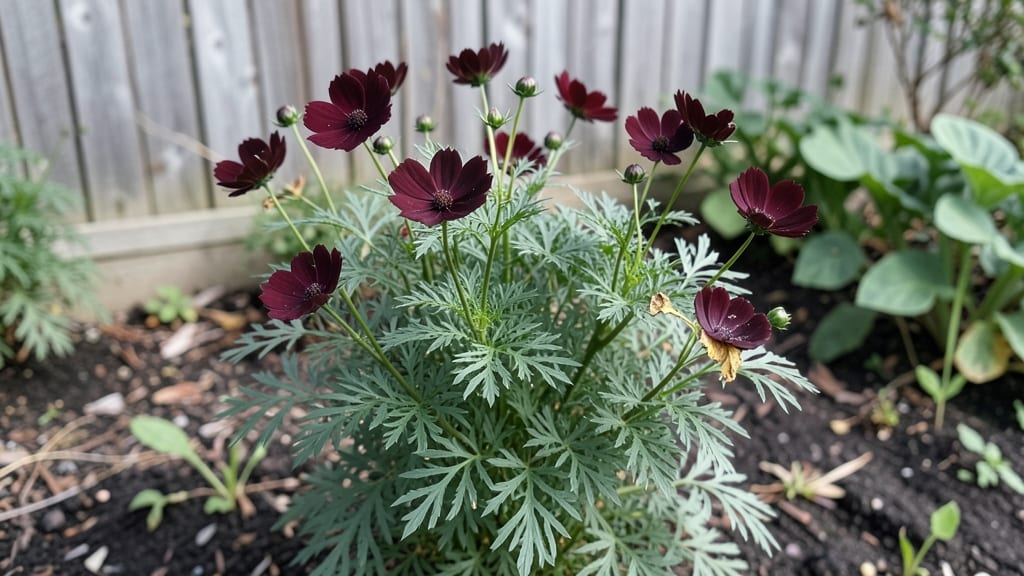
Growing a chocolate cosmos perennial means adding deep, velvety blooms that return every spring with almost no effort from you.
Imagine a garden that blooms effortlessly year after year with rich, velvety chocolate cosmos flowers—no replanting, no fuss. These cold-hardy perennials are game-changers for gardeners craving low-maintenance beauty that thrives even in USDA Zone 6a and beyond.
Unlike their annual cousins, these perennials store energy underground, so they bounce back stronger each season. Plant them once in spring, give them full sun, and watch them reward you with months of drama-free color from July through October.
Below, I’ll walk you through the exact steps to plant, care for, and protect your chocolate cosmos so it keeps coming back—bigger, bolder, and more reliable than ever.
Why chocolate cosmos perennials are perfect for cold climates
If you're tired of replanting annuals every spring, chocolate cosmos perennials offer a revolutionary solution. Unlike their annual cousins, these deep-hued beauties return year after year, thriving in USDA zones 3-8 where many flowers struggle.
Their secret? A combination of cold-hardy genetics, drought-resistant foliage, and extended bloom cycles that keep your garden vibrant from summer through fall.
The Cosmos atrosanguineus variety—often called chocolate cosmos—stands out for its velvety chocolate-brown blooms that darken in full sun. This isn't just about aesthetics; these plants outperform annuals in harsh climates by developing deep root systems that survive freezing temperatures.
Unlike delicate annuals, they bounce back from winter with minimal care, making them ideal for northern gardeners and low-maintenance landscapes.
| Trait | Specification | Why It Matters |
|---|---|---|
| Cold Hardiness | Zones 3-8 (-35°F to 20°F) | Survives winter without mulch in most northern climates |
| Drought Tolerance | Moderate to high | Thrives with weekly watering in summer; needs less in cooler months |
| Bloom Duration | July through October | Extended season compared to most annual cosmos (3-4 months) |
| Sunlight Needs | Full sun (6+ hours) | Blooms darkest in direct sunlight; tolerates partial shade |
| Soil Adaptability | Well-draining, average to poor | Grows in sandy or clay soil without amending |
| Maintenance Level | Very low | No staking, minimal pruning, and self-seeds reliably |
| Pollinator Appeal | High for bees & butterflies | Attracts beneficial insects year after year |
One of the biggest advantages of chocolate cosmos perennials is their ability to self-seed naturally. Unlike annuals that require replanting, these beauties drop seeds that germinate in spring, creating new plants without effort. This trait makes them perfect for wildflower gardens or naturalized landscapes where you want a self-sustaining display.
Their drought tolerance is another game-changer for cold climates where water conservation is key. Once established, these perennials need only weekly watering in summer and can handle dry spells better than most flowers. This makes them ideal for xeriscaping projects or rain gardens where moisture control is critical.
For gardeners in USDA zone 4 or colder, chocolate cosmos perennials offer year-round interest. Their fern-like foliage stays attractive even when not in bloom, and the chocolate-brown stems provide winter structure.
Unlike annuals that die back completely, these plants re-emerge stronger each spring, rewarding your patience with bigger blooms and bushier growth.
Another standout feature is their pest resistance. Unlike many perennials that attract aphids or powdery mildew, chocolate cosmos remain mostly pest-free. Their strong scent (similar to cloves) even deters deer, making them a low-maintenance choice for rural gardens.
This means fewer chemicals and more time enjoying your garden instead of battling pests.
When comparing chocolate cosmos perennials to annual cosmos, the differences are striking. Annuals require yearly replanting, while perennials return with 30-50% more blooms annually. They also handle heat waves better in zones 7-8, where summer temperatures can stress annual varieties.
For gardeners who want long-term beauty with minimal effort, these perennials deliver.
If you're designing a pollinator-friendly garden, chocolate cosmos perennials are a must. Their deep, nectar-rich blooms attract bees, butterflies, and hummingbirds from early summer through fall.
Unlike annuals that fade by late August, these perennials keep feeding pollinators well into October, supporting local ecosystems when other flowers have quit blooming.
For those in zone 5 or colder, the key to success is planting in well-draining soil and avoiding overly wet conditions in winter. A light layer of mulch in late fall helps protect roots, but these plants are hardier than most gardeners realize.
With proper placement, they'll thrive for a decade or more, becoming a beloved staple in your garden.
Don't let their velvety chocolate blooms fool you—these perennials are tougher than they look. Whether you're battling short growing seasons, dry summers, or freezing winters, chocolate cosmos perennials rise to the challenge. They're the ultimate cold-climate workhorse for gardeners who want beauty without the hassle.
Top 5 cold-hardy chocolate cosmos perennial varieties for your garden
If you're dreaming of perennial chocolate cosmos that return year after year with minimal effort, you're in luck! These cold-hardy varieties thrive in USDA zones 3-8 and offer stunning velvety blooms in rich hues from deep brown to chocolate-red.
Unlike their annual cousins, these perennials establish deep roots, making them drought-tolerant once established and perfect for low-maintenance gardens.
Not all chocolate cosmos perennials are created equal—some boast taller stems for dramatic backdrops, while others stay compact for container gardening. Their bloom times also vary, with some flowering earlier in the season and others extending into fall.
Below, I’ve compared the top 5 cold-hardy varieties based on height, color intensity, and hardiness to help you choose the perfect fit for your garden.
| Variety | Height | Color Depth | Bloom Time | USDA Zones | Best For | Special Features |
|---|---|---|---|---|---|---|
| Chocolate Cherry | 2-3 ft | Deep burgundy-chocolate | Mid-summer to frost | 3-9 | Cut flowers, borders | Compact, disease-resistant, long vase life |
| Double Chocolate | 3-4 ft | Ultra-dark chocolate | Late summer to fall | 4-8 | Backyard focal points | Double blooms, fragrant, attracts pollinators |
| Night Sky | 2.5-3.5 ft | td> Deep maroon-chocolateEarly summer to frost | 3-9 | Wildlife gardens | Early bloomer, butterfly magnet, self-seeds | |
| Chocolate Eclipse | 1.5-2.5 ft | Rich chocolate-brown | Late summer to fall | 5-9 | Containers, small spaces | Dwarf variety, prolonged blooms, heat-tolerant |
| Cosmos atrosanguineus 'Dark Chocolate' | 3-4 ft | Deepest chocolate-red | Mid-summer to frost | 4-8 | Dramatic backdrops | Tallest variety, long stems, excellent cut flowers |
When selecting your chocolate cosmos perennial, consider your garden’s layout and sunlight exposure. For example, 'Double Chocolate' is ideal for creating a moody, romantic backdrop in shady spots, while 'Chocolate Eclipse' thrives in containers on patios.
All varieties prefer well-draining soil and full sun, but they’ll tolerate partial shade in hotter climates.
One of my favorite features of these perennials is their self-seeding habit. While not invasive, they’ll pop up year after year in the same spot, saving you the hassle of replanting.
To encourage this, simply leave some seed heads on the plant after blooming. For neater gardens, deadhead spent blooms to redirect energy into new growth.
If you’re in USDA zone 3 or 4, prioritize varieties like 'Night Sky' or 'Chocolate Cherry' for their extra cold tolerance. In warmer zones (7-9), focus on 'Double Chocolate' or 'Dark Chocolate' for their heat resilience and extended bloom seasons.
With the right variety, you’ll enjoy months of velvety blooms with almost no effort!
🌼