
Flowers
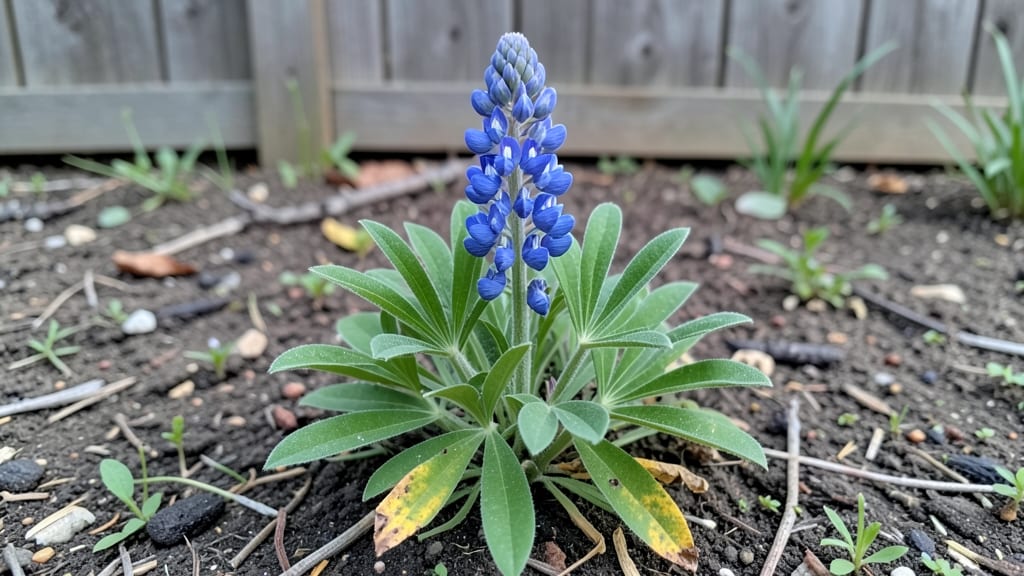
Bluebonnets are not true perennials—they die back annually after flowering but reseed prolifically. In ideal conditions (USDA Zones 7-9), they may return for 2-3 years before needing replanting due to cold sensitivity and biennial growth patterns.
Bluebonnets actually follow a biennial growth cycle, meaning they complete their life span in two years under perfect conditions. 🌱 The confusion comes from their ability to self-seed aggressively, making them appear perennial in mild climates. In colder regions, they behave more like annuals, dying back completely each winter.
This explains why some gardeners see them return year after year while others struggle with consistent blooms—it all depends on winter temperatures and soil conditions.
What sets bluebonnets apart is their dormancy strategy: they store energy in their roots during harsh winters, allowing regrowth when temperatures rise. However, extreme cold or repeated freezes can exhaust these reserves, forcing gardeners to replant.
The key to long-term success is protecting seeds from frost and ensuring well-draining soil—both critical for their survival between growing seasons.
💡 In This Article
- Bluebonnet Lifespan: Biennial vs Perennial Confusion
- Strategies to Extend Bluebonnet Blooms Year After Year
Bluebonnet lifespan: biennial vs perennial confusion
Here's what's actually happening with bluebonnets' growth cycle: they're classified as biennials because their life span typically spans two years under perfect conditions.
The first year focuses on root and leaf development, while the second year produces flowers and seeds before the plant dies. 🌱 However, their ability to reseed prolifically creates the illusion of perennial behavior, especially in mild climates where seeds germinate reliably each spring.
The key factor is winter hardiness—bluebonnets thrive in USDA Zones 7-9, where they can survive temperatures down to 10°F (-12°C). In colder regions (Zones 5-6), they behave more like annuals because repeated freezes exhaust their root reserves.
This explains why some gardeners see bluebonnets return naturally while others need to replant annually. The plant's survival strategy involves storing carbohydrates in its taproot during dormancy, but this energy depletes over time without proper protection.
What most people don't realize is how soil temperature affects germination. Bluebonnet seeds require 60-70°F soil temperatures to sprout successfully—below 50°F, germination fails completely. This is why late winter planting often results in patchy blooms.
The plant's biennial nature means each generation must complete its full cycle to reproduce, making consistent blooms dependent on both seed viability and environmental conditions.
There's also a genetic component: wild bluebonnet strains (Lupinus texensis) are more resilient than cultivated varieties, which often prioritize flower color over hardiness. Wild types develop deeper root systems that can withstand drought and temperature fluctuations better.
This is why naturalized bluebonnet meadows often persist longer than garden varieties—selective breeding for showiness sometimes comes at the cost of survival traits.
Consider these temperature thresholds for bluebonnet survival:
- Optimal growth: 70-85°F (daytime) with 55-65°F nights
- Dormancy trigger: Below 40°F for prolonged periods
- Lethal threshold: Below 0°F for extended durations
- Germination window: 60-70°F soil temperature
The science behind this involves a process called vernalization, where cold exposure actually triggers flowering in the second year. Without proper winter chilling (32-40°F for 4-6 weeks), bluebonnets may never bloom.
This is why gardeners in warmer climates sometimes get only foliage without flowers—the plant isn't completing its biennial cycle properly. 🌿