
Shrubs
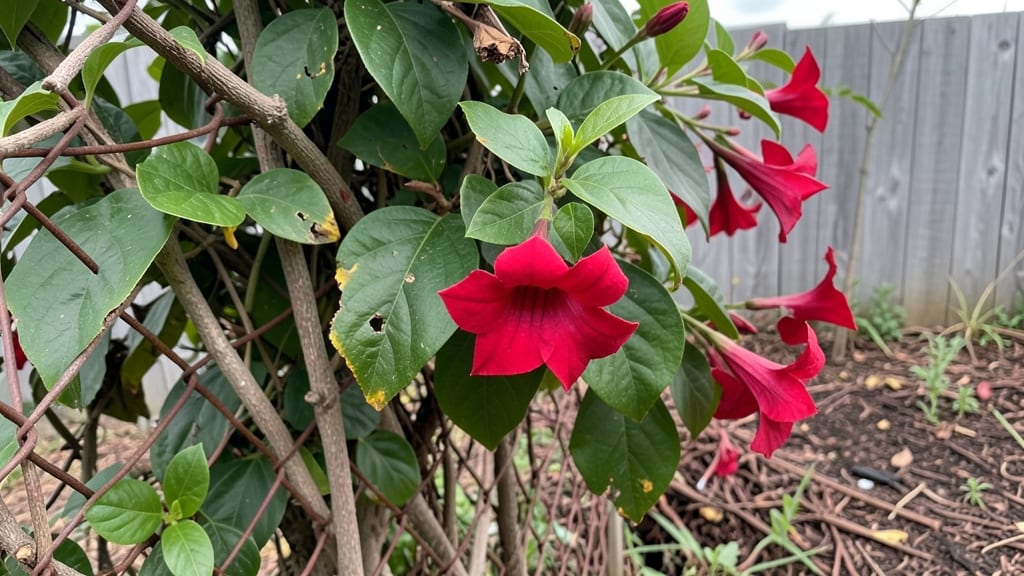
Determining whether red mandevilla is annual or perennial depends on your climate: it thrives as a perennial in frost-free zones (USDA 10-12) but behaves like an annual in colder regions where it dies back each winter. The plant's tuberous roots allow it to regrow annually in warm areas with proper care.
This tropical beauty's lifespan hinges entirely on winter temperatures—below 25°F, even its hardy tubers won't survive. 🌱 In milder zones, the roots remain dormant underground until spring, while in colder areas, gardeners must dig them up and store them indoors.
I've seen firsthand how this plant can live for years in warm climates but requires extra effort to extend its life in colder regions. The key difference lies in those underground storage roots, which act like nature's built-in survival mechanism when conditions are right.
For those in USDA zones 8-9, you might get lucky with some winter survival if the plant's protected, but don't count on it. The real magic happens in zones 10-12 where it grows boldly year-round, rewarding gardeners with vibrant blooms season after season.
Understanding this growth pattern helps you decide whether to treat it as a seasonal showstopper or invest in overwintering techniques for multi-year enjoyment.
💡 In This Article
- Red Mandevilla’s Perennial Growth Cycle Explained
- How to Overwinter Red Mandevilla in Cold Climates
Red mandevilla’s perennial growth cycle explained
The red mandevilla's perennial nature in warm climates comes down to its specialized tuberous root system, which acts like a natural storage battery. These thickened roots store carbohydrates and moisture during the dry season, a survival strategy common in tropical plants.
When temperatures stay above 25°F year-round, the roots remain dormant but viable, ready to sprout new growth when conditions improve. This underground storage allows the plant to bypass winter dormancy entirely in frost-free zones.
Here's what's actually happening underground: The tubers contain high concentrations of starches and sugars (up to 30% of their dry weight), which fuel regrowth when spring arrives. These roots can shrink dramatically during dormancy but maintain enough cellular integrity to revive when water and warmth return.
In contrast, regular roots would freeze and die in cold snaps, but mandevilla's tuberous structure provides insulation and moisture retention. 🌱 The plant's ability to regenerate from these roots is why it thrives as a perennial in ideal conditions.
In colder climates, the story changes dramatically. When temperatures drop below 25°F for extended periods, even the hardy tubers can't survive the freeze-thaw cycles that disrupt their cellular structure. The plant's natural response is to die back completely, leaving only the roots exposed to cold damage.
This is why gardeners in zones 8-9 often treat it as an annual—without human intervention, the plant won't regrow from the ground each spring. The key difference is temperature sensitivity: warm zones preserve the tuber's viability, while cold zones destroy it.
What most people don't realize is how quickly these tubers respond to seasonal changes.
In warm climates, you'll see new shoots emerge within 2-3 weeks of consistent temperatures above 60°F, while in colder areas, even if you protect the roots, they may take 4-6 weeks longer to break dormancy due to slower soil warming.
This delayed response explains why overwintering attempts sometimes fail—gardeners may replant too early before the tubers are truly ready to regrow.
The science behind this involves abscisic acid, a plant hormone that triggers dormancy in response to cold.
In warm climates, this hormone is produced seasonally but doesn't cause complete die-back, while in cold climates, the stress from freezing causes massive cellular damage that the plant can't recover from without human intervention.
The tuber's waxy outer layer helps reduce water loss during dormancy, but it's not enough protection against prolonged freezing.
Consider this comparison: In Florida (zone 10), a mandevilla plant might live for 10+ years with minimal care, while in Pennsylvania (zone 6), even the most careful overwintering might only extend its life to 3-5 years.
The difference comes down to how consistently the tubers can maintain their viability through seasonal changes. In warm zones, the plant's natural growth cycle aligns perfectly with its tuberous survival mechanism. 💫