
Flowers
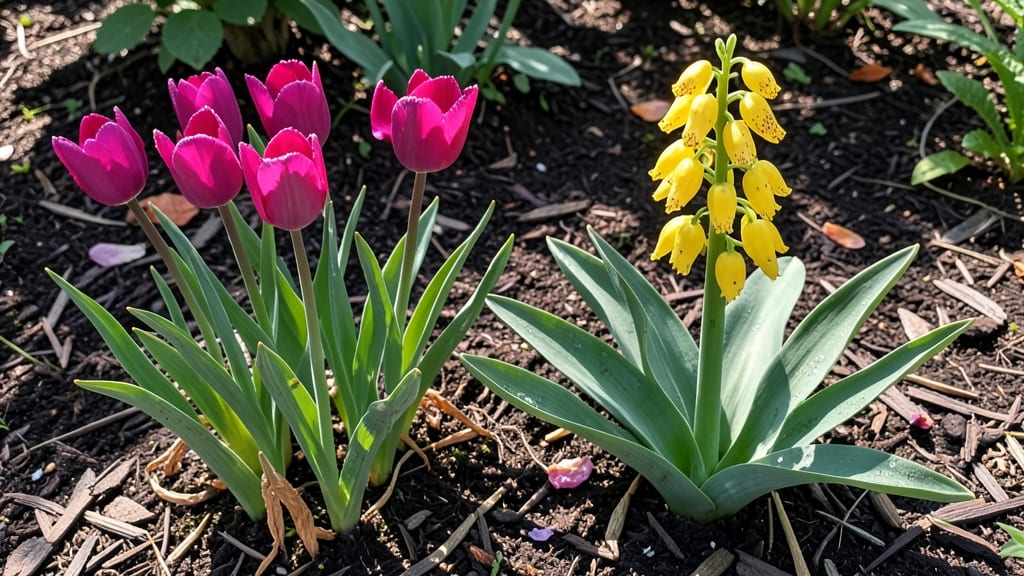
Not all tulips are perennials—most hybrid tulips (like Darwin or Parrot varieties) return yearly, but many species tulips and wild types are true perennials. Climate, soil, and planting depth also determine longevity, with some bulbs lasting decades in ideal conditions.
Tulips fall into two main categories: species tulips (perennial) and hybrid tulips (often treated as annuals). 🌱 Species tulips, like Tulipa tarda, thrive in their native habitats and naturally return year after year, while garden hybrids (like Tulipa gesneriana) were bred for showy blooms rather than hardiness.
This means your garden's tulip success depends on what you plant—some varieties need extra care to persist beyond their first season.
Climate plays a huge role in tulip longevity. In colder zones (like USDA zones 3–5), many hybrid tulips will rebloom for years, but in warmer areas (zones 6–8), they often need summer dormancy or storage to survive.
Proper planting depth (6–8 inches) and well-draining soil also make the difference between a one-time bloom and a lasting display.
💡 In This Article
- Tulip Perennials vs. Annuals: Key Botanical Differences
- How to Grow Tulips as Perennials in Different Climates
Tulip perennials vs. annuals: key botanical differences
The core difference between perennial and annual tulips lies in their genetic makeup and breeding history. Species tulips, like Tulipa tarda (also called "Tardy Tulip"), evolved naturally in harsh climates and developed thick, fibrous tunics around their bulbs to protect against freezing and drought.
These bulbs store energy efficiently for years, allowing the plant to regrow annually. Their natural hardiness means they can survive 10-15 years or more with minimal care.
In contrast, hybrid tulips—such as Tulipa gesneriana (the classic garden tulip)—were selectively bred in the 16th century for dramatic blooms and vibrant colors, not for longevity. Breeders prioritized traits like larger flowers and earlier blooming over bulb resilience. The trade-off?
These hybrids often produce thinner, less protective tunics and weaker root systems, making them more vulnerable to rot, pests, and temperature fluctuations. 🌸 For example, a Darwin Hybrid might rebloom for 3-5 years, while a species tulip like Tulipa clusiana can persist for decades.
Here's what's actually happening botanically: Perennial tulips form multiple layers of protective scales around their bulbs, acting like natural insulation. These scales contain high levels of fructans (complex carbohydrates), which act as antifreeze in cold climates.
Annual hybrids, however, often lack this layered structure, making their bulbs more susceptible to freeze-thaw cycles and fungal infections. The difference is visible even in the bulb's texture—species tulips feel denser and firmer, while hybrids can appear softer and more fragile.
Climate and geography also play a role in why some tulips act like perennials while others don't. Species tulips native to Central Asia (where winters are extreme and summers dry) evolved to thrive with minimal intervention.
Hybrid tulips, however, were developed in temperate European gardens, where milder winters and consistent care masked their true hardiness.
What most people don't realize is that even "perennial" hybrid tulips (like Fosteriana or Greigii varieties) may still require annual bulb division to prevent overcrowding, which weakens their ability to regrow.
Consider these key factors when choosing tulips for long-term gardens:
- Bulb structure: Species tulips have thicker tunics (up to 0.5 cm thick) compared to hybrids (0.1-0.2 cm)
- Root system: Perennial varieties develop deeper, more extensive roots (reaching 12-18 inches deep) for stability
- Bloom cycle: Species tulips often bloom 2-4 weeks later than hybrids, avoiding late frosts
- Pest resistance: Natural species have higher saponin levels, a compound that deters squirrels and deer
The science behind this involves photoperiodism—how plants respond to daylight changes. Perennial tulips enter a deep dormancy in summer, conserving energy, while hybrids may struggle in hot, humid climates (like USDA zone 7+) because their bulbs can't handle prolonged heat stress.
This is why you'll see species tulips thriving in rock gardens or wildflower meadows with poor soil, while hybrids often need rich, well-drained beds to perform well.
For gardeners, this means your choice of tulip isn't just about color—it's about commitment. Planting species tulips is like investing in a low-maintenance, long-term asset, while hybrids are more like seasonal rentals. 💫 The payoff?
A Tulipa tarda planted in 1900 might still be blooming today in the right conditions, while a Darwin Hybrid may need replacing every 3-5 years.