
Plants
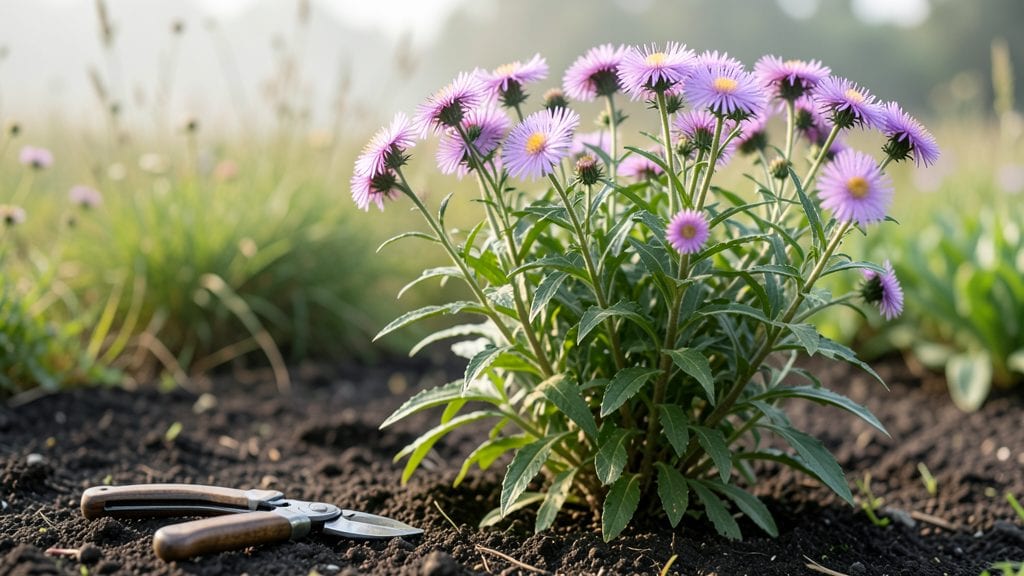
Not all asters are perennials—some varieties, like New England aster (Symphyotrichum novae-angliae), thrive for years, while others, such as annual Chinese asters (Callistephus chinensis), complete their lifecycle in one season. Cold hardiness and species classification determine their lifespan.
When you're planning your garden, it's easy to assume all asters behave the same way, but their growth habits vary dramatically. 🌸 Perennial asters like the New England variety can return year after year with proper care, while annual types like Chinese asters will bloom vibrantly for one season before fading.
The difference often comes down to their native climates—perennials hail from temperate regions where they’ve evolved to survive winter dormancy, while annuals originate in warmer areas where they complete their entire life cycle quickly. This means your choice of aster can drastically impact your garden's long-term color strategy.
Understanding these distinctions helps you select the right aster for your zone and maintenance style. For example, hardy perennials like Symphyotrichum species can handle colder winters, while tender annuals may need replanting each spring.
The key is matching the plant's natural tendencies with your local growing conditions—this ensures you get the blooms you want without constant replanting.
💡 In This Article
- Perennial vs. Annual Asters: Key Species Breakdown
- Extending Aster Lifespans: Gardening Tips for Long-Lived Blooms
Perennial vs. annual asters: key species breakdown
The distinction between perennial and annual asters comes down to their root systems and evolutionary adaptations. Perennial asters like Symphyotrichum species develop deep, fibrous root networks that store nutrients year-round, allowing them to regrow each spring.
These roots can extend up to 3 feet deep, enabling them to access moisture during droughts and survive temperatures as low as -30°F. Their woody stems at the base (called crowns) act like biological batteries, storing energy for regrowth.
Annual asters, such as Callistephus chinensis, take a different approach—they focus all their energy on rapid growth and reproduction within a single season. Their roots are shallow and don't store significant reserves, which is why they bolt to seed by late summer.
What's fascinating is how their growth strategy mirrors their native habitats: annuals thrive in regions with unpredictable winters where perennial survival would be impossible. For example, Chinese asters originated in China's temperate zones where frost can kill plants that don't complete their lifecycle quickly.
The visual differences between these types are striking when you examine their blooming patterns. Perennial asters often produce smaller, clustered flowers that appear later in the season (typically August-October), while annuals showcase larger, showier blooms that peak in midsummer.
This timing difference is no accident—perennials have evolved to take advantage of late-season pollinators when other flowers have faded, while annuals compete for early-season attention when pollinators are most abundant.
Here's what most gardeners don't realize about root structure: perennial asters develop a specialized tissue called cambium in their stems, which allows them to produce new growth rings each year—similar to how trees grow.
This tissue enables them to "age gracefully" over decades, while annuals have no such mechanism and must start fresh each season. The trade-off? Perennials require more upfront establishment time (often 2-3 years) before reaching their full flowering potential.
Consider these key factors when choosing aster varieties for your garden:
- Climate zone: Perennials like Symphyotrichum thrive in USDA zones 3-9, while annuals prefer zones 7-11
- Flower size: Annuals typically produce blooms 2-4 inches wide; perennials average 1-2 inches
- Growth habit: Perennials reach 2-5 feet tall; annuals stay 1-3 feet for easier container growing
The science behind their differing lifespans also explains why some asters become invasive in certain regions. Perennial species with extensive root systems can spread aggressively through underground runners, while annuals rely on prolific seed production.
This biological diversity means you can choose asters based on whether you want low-maintenance perennials or quick, seasonal color from annuals. 💫