
Flowers
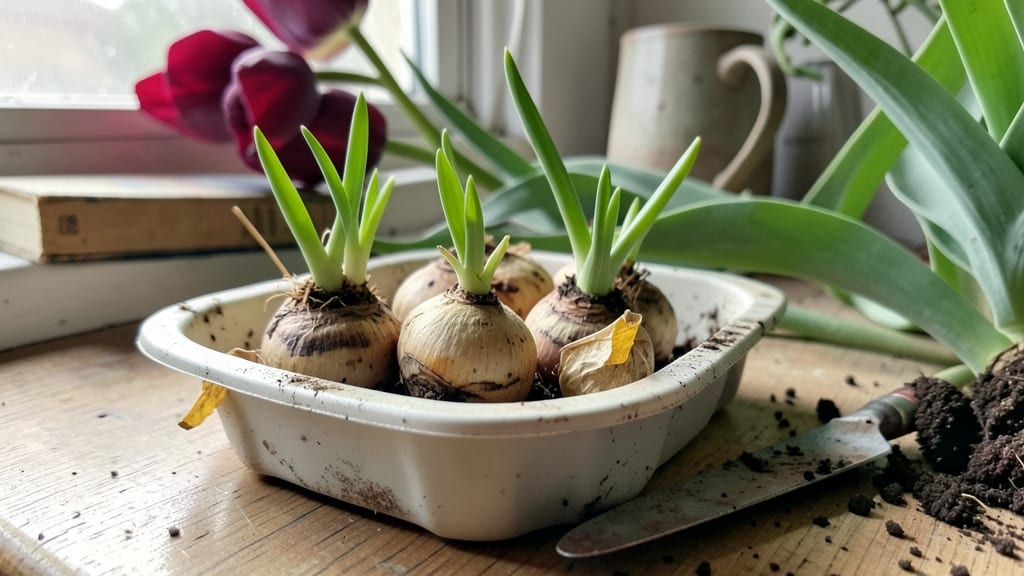
Not all bulbs are perennials—only some, like tulips and daffodils, return year after year, while others like onions or shallots may only live two years or less. Annual bulbs such as caladiums complete their life cycle in one season before dying back.
Bulbs actually fall into three main categories based on their lifespan: true perennials, biennials, and annuals. 🌱 True perennials like lilies or hyacinths store energy underground to regrow season after season, while biennials like garlic produce flowers in their second year before fading.
Annual bulbs, though they die after flowering, often produce offsets that can be replanted, giving you a fresh start each growing season.
What makes this especially interesting is how climate plays a role—many bulbs enter dormancy when temperatures drop, which tricks gardeners into thinking they've died when they're actually just resting.
I've learned the hard way that patience pays off; waiting until early spring to check for signs of life (like green shoots) prevents premature removal of what might actually be a dormant perennial.
💡 In This Article
- How Bulb Lifespans Differ by Plant Type
- Gardening Tips for Maximizing Bulb Regrowth
How bulb lifespans differ by plant type
True perennial bulbs like lilies and hyacinths store energy in specialized underground organs—whether true bulbs (like tulips), corms (like crocuses), or tubers (like dahlias)—that allow them to survive winter dormancy and regrow each spring.
These plants have evolved to convert sunlight into stored carbohydrates during the growing season, which fuels their regrowth when conditions become favorable again. For example, a lily bulb can weigh up to 1 pound after years of growth, packed with nutrients that sustain it through multiple cycles.
The key difference between perennial and non-perennial bulbs lies in their dormancy mechanisms. Perennials like daffodils enter a deep rest phase when temperatures drop below 40°F, shutting down metabolic processes to conserve energy.
Biennials such as garlic or onions follow a two-year cycle: they focus on leaf and root growth in year one, then shift energy to flowering and seed production in year two before dying.
Annual bulbs like caladiums complete their entire life cycle in one season, flowering and producing seeds before the bulb itself decomposes.
What most gardeners overlook are the summer bulbs like dahlias or gladioli, which behave differently. These "tender perennials" grow as annuals in colder climates but can be dug up, stored, and replanted each year.
Their storage organs (tubers or corms) need 50-60°F conditions to survive winter, making them perfect for container growing in cooler regions. The texture of these tubers—firm yet spongy—contrasts sharply with the papery layers of true bulbs, revealing their distinct biological adaptations.
Here's what's actually happening underground: Perennial bulbs develop offsets (baby bulbs) that detach and grow into independent plants, while annuals rely on seed propagation. For instance, a tulip bulb might produce 3-5 offsets per season, creating a natural colony over time.
The science behind this involves auxin hormones, which regulate cell division and bulb formation. When you see a clump of 10-15 daffodils emerging from one planting, you're witnessing this biological process in action.
Climate plays a surprising role in bulb longevity. In USDA Zone 5 (where winters drop below -20°F), many perennial bulbs like alliums survive by producing deeper root systems that insulate their storage organs. Meanwhile, in Mediterranean climates (Zone 9), bulbs like snowdrops thrive year-round with minimal dormancy.
This geographic variation explains why some bulbs you plant in one region may behave as perennials while identical varieties in another die back annually.
The exceptions prove the rule: Rain lilies (Zephyranthes) and rain crocuses are technically perennials but often treated as annuals because their bulbs are so small (1/4-inch diameter) that they're easily displaced by watering or wildlife.
Their delicate, grass-like foliage and rapid growth cycle make them feel more like ephemeral garden stars than hardy perennials. This highlights how bulb size and growth habits influence their perceived lifespan in gardens.