
Flowers
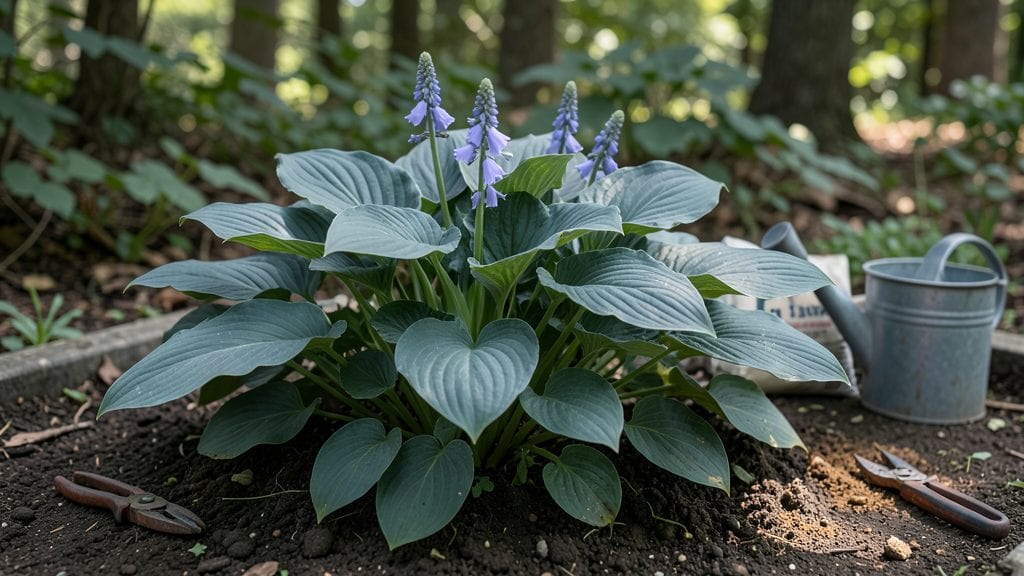
Perennial plants do grow back each year from their root systems, stems, or underground storage organs like rhizomes or tubers, even after dying back in winter or dormancy. Proper seasonal care ensures healthy regrowth, though some may decline with age or poor conditions.
Perennials rely on their hidden storage systems to power annual regrowth, making them hardier than annuals that must start fresh every season. 🌱 The key difference lies in their underground networks—rhizomes like in daylilies spread horizontally, while tubers in plants like dahlias store energy for months.
I’ve seen peonies push through frozen ground in early spring, proving how resilient these systems can be when given the right conditions.
What sets perennials apart is their ability to adapt to seasonal changes. Hardy varieties like coneflowers develop thick root crowns that protect against frost, while tender perennials like salvias retreat into dormant bulbs until temperatures rise.
The trade-off? Their long-term survival depends entirely on consistent care—skipping mulch in winter or overwatering in summer can weaken these storage systems over time.
💡 In This Article
- How Perennial Plants Survive Winter Dormancy
- Seasonal Care Tips to Encourage Perennial Regrowth
How perennial plants survive winter dormancy
Here's what's actually happening underground when perennials appear to "die" in winter: they enter a state called dormancy, where their metabolic processes slow dramatically to conserve energy.
Hardy perennials like peonies and hostas store carbohydrates in their thickened root crowns—the swollen base where roots meet stems—which can contain up to 30% starch by dry weight. This stored energy fuels new growth when temperatures rise above 40°F in spring.
The key factor is their ability to regulate water loss through specialized cells that act like natural antifreeze!
Tender perennials like cannas and dahlias take a different approach: they retreat into rhizomes or tubers that contain high concentrations of sugars and proteins. These underground structures can survive temperatures down to -10°F when properly mulched, though they'll die in prolonged freezes.
What most people don't realize is how these storage organs prioritize survival—cell membranes become more fluid-resistant to cold damage, and growth hormones like abscisic acid accumulate to prevent premature sprouting.
This biochemical cocktail explains why a canna rhizome can remain dormant for months yet still produce a 6-foot-tall plant by summer.
The science behind this involves a fascinating trade-off: perennials sacrifice current growth for long-term survival. During dormancy, their root systems maintain just enough activity to repair cellular damage from freezing, while above-ground parts may appear brown and crispy.
Take peonies—their buds form in late summer but remain dormant until spring warmth triggers auxin hormone production, which signals new shoot growth. This delayed development allows them to time their emergence with optimal growing conditions.
Hardy perennials have evolved additional adaptations like deep root systems that access moisture from lower soil layers, while tender varieties often develop succulent storage organs that resemble miniature water tanks.
For example, a daylily rhizome can weigh up to 2 ounces when fully loaded with starches—enough to fuel a 3-foot-tall plant for an entire season.
The texture of these storage organs is another clue to their function: smooth and firm rhizomes indicate healthy energy reserves, while shriveled or hollow ones signal depletion.
What makes this survival strategy so impressive is how perennials "remember" their optimal growing conditions. Through a process called vernalization, some species require exposure to cold temperatures to trigger flowering—like hellebores that bloom in early spring after winter's chill.
This biological memory ensures they don't waste energy flowering too early. The contrast between hardy and tender perennials becomes clear when you compare their cold tolerance: while peonies can handle -30°F winters, a canna rhizome will die if exposed to 20°F for more than a few hours.
Understanding these mechanisms helps explain why proper winter care matters so much. A 3-inch layer of mulch can raise soil temperatures by 5-10°F, protecting tender roots from freeze-thaw cycles that cause more damage than steady cold.
The aroma of fresh mulch—often cedar or straw—also creates a microclimate that retains moisture, which is crucial for root respiration during dormancy.
This is why even experienced gardeners check their perennials in late winter: the first signs of regrowth often appear as tiny green shoots pushing through the soil, sometimes before the snow has fully melted.