
Plants
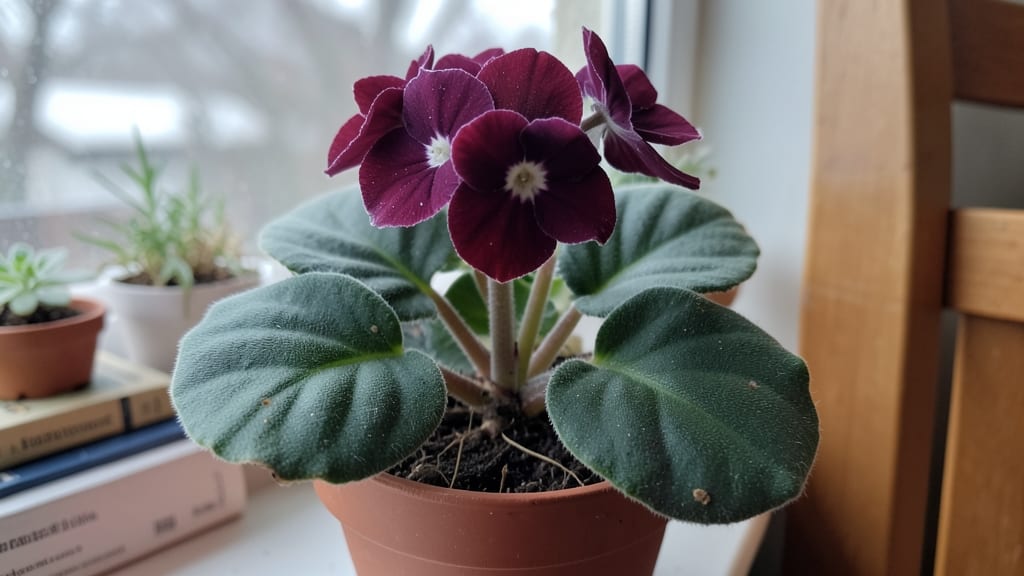
African violets are perennials in ideal indoor conditions, thriving for years with proper care, but outdoors they rarely survive winters below 50°F unless treated as annuals or overwintered carefully. Their lifespan depends on environment, light, and maintenance routines.
African violets earn their perennial reputation when kept indoors, where consistent warmth and bright, indirect light mimic their native tropical habitat. 🌿 The key difference comes down to temperature tolerance—these plants wilt when exposed to prolonged cold, making outdoor survival a challenge unless you're in a frost-free zone or take protective steps.
I've seen them live for five years indoors with minimal care, but outdoors, they typically last just one season unless you bring them inside before winter or use frost blankets.
What sets them apart is their adaptability to indoor conditions—low humidity, artificial lighting, and controlled temperatures let them thrive year-round. Outdoors, they struggle with sudden temperature drops and intense sunlight, which can scorch their delicate leaves.
The secret to longevity? Mimicking their natural environment as closely as possible, whether that means a sunny windowsill or a greenhouse setup.
💡 In This Article
- African Violet Lifespan Factors: Light, Temperature, and Care
- Indoor vs Outdoor African Violet Survival Guide
African violet lifespan factors: light, temperature, and care
African violets thrive indoors because their native tropical habitat demands consistent 65-75°F temperatures and high humidity (60-70%). These conditions prevent the stress responses triggered by cold exposure, which can cause cellular damage in their leaves.
Outdoors, temperatures below 50°F disrupt their metabolic processes, slowing growth and weakening their immune system against pests. The key difference lies in their light requirements too—indoors, they adapt to artificial light, while outdoors, intense sunlight can scorch their delicate foliage within hours. 🔥
Light intensity plays a critical role in their lifespan. Indoors, African violets need 10-12 hours of bright, indirect light daily, which can be achieved with fluorescent or LED grow lights. Outdoors, they require partial shade (morning sun only) to prevent leaf burn.
The science behind this is their chlorophyll sensitivity—too much direct sunlight causes oxidative stress, leading to brown patches and stunted growth. In contrast, low-light indoor environments force them to grow slower but last longer, as they conserve energy rather than expend it on rapid, sun-induced growth.
Humidity is another critical factor. African violets originate from East Africa's high-altitude regions, where humidity rarely drops below 60%. Indoors, dry air (common in homes with heating/AC) causes their leaves to crisp at the edges—a condition called "leaf scorch."
To combat this, I recommend using a pebble tray with water or a humidifier near the plant. Outdoors, natural humidity levels are usually sufficient, but in arid climates, they may need similar protection to survive the growing season. 💛
Temperature fluctuations are the primary reason African violets rarely survive outdoors as perennials. Their roots and stems are particularly sensitive to cold, with damage occurring at 45°F or lower. This triggers a stress response where the plant diverts energy from growth to survival, weakening its overall health.
Indoors, stable temperatures allow them to focus on flowering and foliage production year-round. The difference in lifespan becomes stark: indoor plants can live 3-5 years with proper care, while outdoor plants often decline after one season unless moved to a greenhouse or indoor space before winter.
Care routines also influence their perennial status. Indoors, regular feeding with balanced fertilizer (every 4-6 weeks) supports continuous blooming, while outdoors, nutrient depletion from seasonal growth cycles shortens their lifespan.
Pruning spent flowers and dividing overcrowded plants every 12-18 months rejuvenates indoor violets, a practice rarely feasible outdoors due to seasonal constraints. The result? Indoor plants become established perennials, while outdoor ones revert to annual behavior unless actively protected. ✨
What most people overlook is how soil composition affects their resilience. African violets prefer well-draining, slightly acidic soil (pH 6.0-6.5) to prevent root rot—a common issue in outdoor pots where water stagnation occurs.
Indoors, this consistency is easier to maintain, while outdoors, seasonal rains and temperature shifts can alter soil chemistry, further stressing the plant.
The combination of these factors explains why African violets are perennials indoors but often annuals outdoors—it's not just about the plant, but the entire environment working in harmony. 💫