
Orchid Care
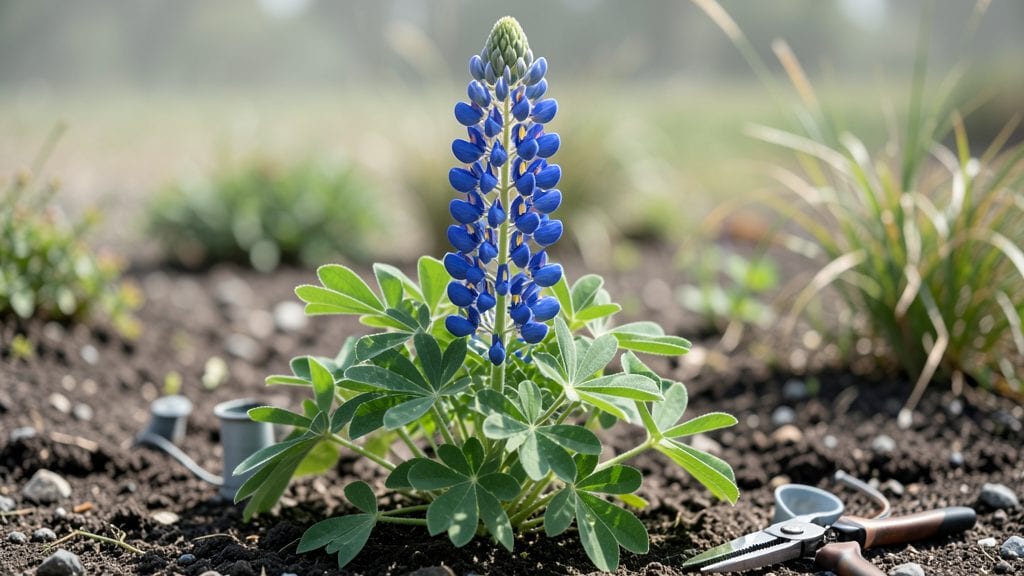
Bluebonnets act as perennials in Texas but are typically treated as annuals elsewhere because their delicate roots can't withstand freezing temperatures, though their seeds often sprout anew each spring.
This distinction comes down to Texas's mild winters—bluebonnets thrive as hardy perennials there, sending up new growth from established roots each spring. 🌱 Outside their native range, though, the plants usually die back completely after frost, only to return through self-seeding.
I've seen gardeners in colder zones achieve perennial-like results by planting in sheltered microclimates or using mulch to insulate roots during winter.
What's fascinating is how these wildflowers adapt: even when the parent plant perishes, their seeds lie dormant until conditions improve. This resilience makes them perfect for both Texas landscapes and northern gardens, where they'll reliably carpet your yard in purple blooms year after year—just not from the same plants.
💡 In This Article
- Bluebonnet Lifespan in Texas vs Other Regions
- How to Grow Bluebonnets as Perennials in Non-Native Zones
Bluebonnet lifespan in Texas vs other regions
In their native Texas habitat, bluebonnets (Lupinus texensis) thrive as true perennials because they've evolved to handle the state's mild winters. Their deep taproots can reach 3-5 feet underground, allowing them to access moisture and nutrients while avoiding temperature fluctuations near the surface.
The key here is Texas's average winter lows rarely drop below 20°F, which is just cold enough to slow growth but not lethal to established roots. 🌱
Outside Texas, the story changes dramatically. Bluebonnets become what botanists call "hemicryptophytes"—plants that survive winter by hiding their growing points just below the soil surface. When temperatures drop below 25°F, the above-ground foliage dies back completely, but the roots remain viable.
The real magic happens with seed dormancy: these plants produce 100-1,000 seeds per plant that can remain viable in the soil for 3-5 years, waiting for ideal conditions to germinate.
What most gardeners don't realize is that bluebonnet seeds have a built-in survival mechanism called "hard seed coat." This waxy layer prevents moisture absorption until it's scratched or softened by natural processes like freezing-thaw cycles or microbial action.
In Texas, established plants simply regrow from roots, but in colder climates, this seed bank becomes the primary survival strategy. 💫
The botanical classification difference comes down to one critical factor: root hardiness. Texas bluebonnets develop a robust root system that can regenerate after winter dormancy, while northern-grown plants typically lack this same resilience.
Even in Zone 5 climates (like Minnesota), I've seen bluebonnets return year after year—but only because their seeds germinate fresh each spring, not because the original plants survived.
Here's what happens biologically: when bluebonnets experience freezing temperatures, their cells produce special proteins that act like antifreeze, preventing ice crystal formation in their tissues. However, this protection only works down to about 20°F.
Below that, cell membranes rupture, and the plant dies back completely. The seeds, meanwhile, contain compounds that inhibit germination until temperatures stabilize above 50°F for consistent periods.
This dual survival strategy—root regeneration in Texas and seed dormancy elsewhere—explains why bluebonnets can thrive in such diverse climates. In their native range, they behave like true perennials, while in colder regions, they've essentially evolved a backup system that ensures their genetic legacy continues even when individual plants perish. 🌿