
Plants
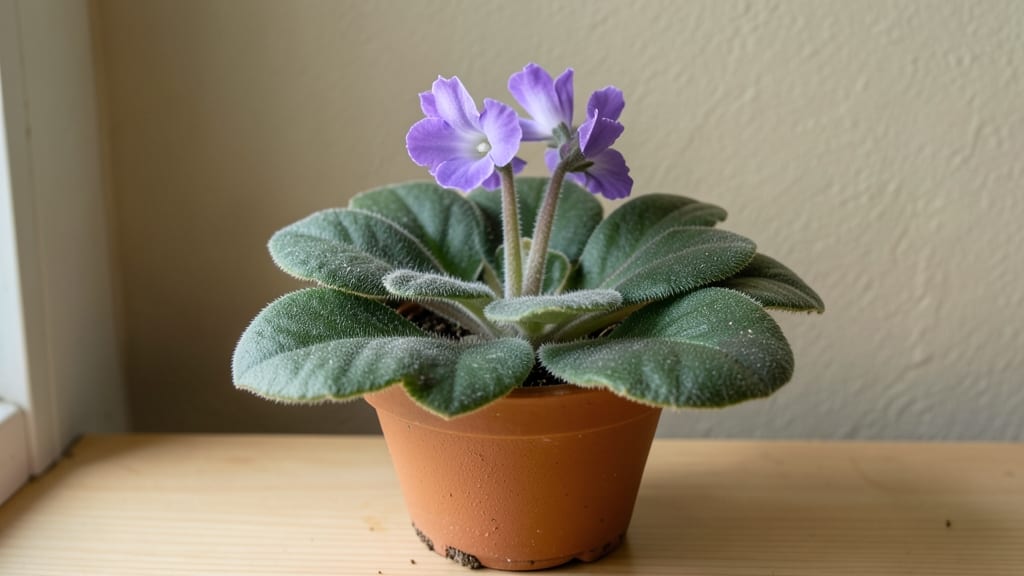
African violets are perennial plants in their native tropical habitats but are often treated as annuals indoors due to shorter lifespans under artificial conditions. With proper care—consistent warmth, bright indirect light, and balanced humidity—they can thrive for 5+ years, reblooming reliably when conditions mimic their natural environment.
African violets naturally live for years in their warm, humid tropical homes—but indoors, they often fade within a single season. 🌿 The key difference lies in how we replicate their native conditions: steady temperatures above 65°F, humidity levels around 50%, and bright but filtered light.
Without these, their growth slows, and they may not survive past their first blooming cycle. Even in less-than-perfect conditions, though, many gardeners extend their lifespan by adjusting care routines seasonally, like reducing water in winter or rotating pots for even light exposure.
What’s fascinating is how these plants adapt: when given the right care, they’ll reward you with continuous blooms for years, proving they’re far hardier than their "annual" reputation suggests. My own plants have lasted over 6 years with minimal fuss—just a little extra attention during transitions between seasons.
💡 In This Article
- Why African Violets Act Like Perennials in Ideal Conditions
- Pro Tips to Extend African Violet Lifespan Beyond One Season
Why African violets act like perennials in ideal conditions
African violets originate from the high-altitude grasslands of East Africa, where they thrive in consistent 65-75°F temperatures and 60-80% humidity. Their perennial nature stems from these stable tropical conditions, which trigger continuous growth cycles.
Unlike many houseplants that enter dormancy, African violets remain active year-round when given proper care, producing new leaves and blooms every 6-8 weeks. This perpetual growth pattern explains why they can live for decades in their natural habitat.
Their growth mechanism relies on a short-day photoperiod—they bloom when daylight decreases, typically in late summer or fall. However, indoors, artificial lighting disrupts this cycle, often causing erratic blooming.
The key to mimicking their natural environment is providing 12-14 hours of bright, indirect light daily, similar to their native dappled sunlight. Without this, their energy shifts to survival mode, slowing growth and reducing lifespan.
The plants also respond to humidity by expanding their root systems—low humidity (40%) causes roots to dry out faster, stressing the plant.
Temperature fluctuations are another critical factor. African violets are sensitive to drops below 60°F, which can stunt growth or trigger leaf drop. In their native habitat, they experience minimal temperature swings, so indoor environments with heating/cooling variations mimic seasonal stress.
This is why many gardeners see their plants "reset" in winter—it’s not dormancy but a survival response. By maintaining stable warmth and adjusting light intensity seasonally, you help them maintain their perennial growth patterns.
Here’s what happens when you nail their care conditions: their rosette structure (the circular leaf arrangement) stays compact and lush, signaling healthy growth. The roots develop a dense, fibrous network that efficiently absorbs moisture, while the stems remain sturdy enough to support continuous blooming.
In contrast, neglected plants develop leggy stems and sparse foliage—a clear sign of stress. The difference between a 5-year-old and a 1-year-old African violet often comes down to whether their care routine mimics their tropical origins.
What most people don’t realize is how their flowering cycle acts as a biological clock. When conditions are ideal, they’ll produce buds every 8-12 weeks, with each bloom lasting 4-6 weeks. This reliability makes them true perennials indoors—if you provide the right environment.
The trade-off? Without proper care, they’ll revert to annual behavior, blooming once then fading. It’s all about breaking that cycle by treating them like the hardy tropical plants they truly are. 🌿