
Flowers
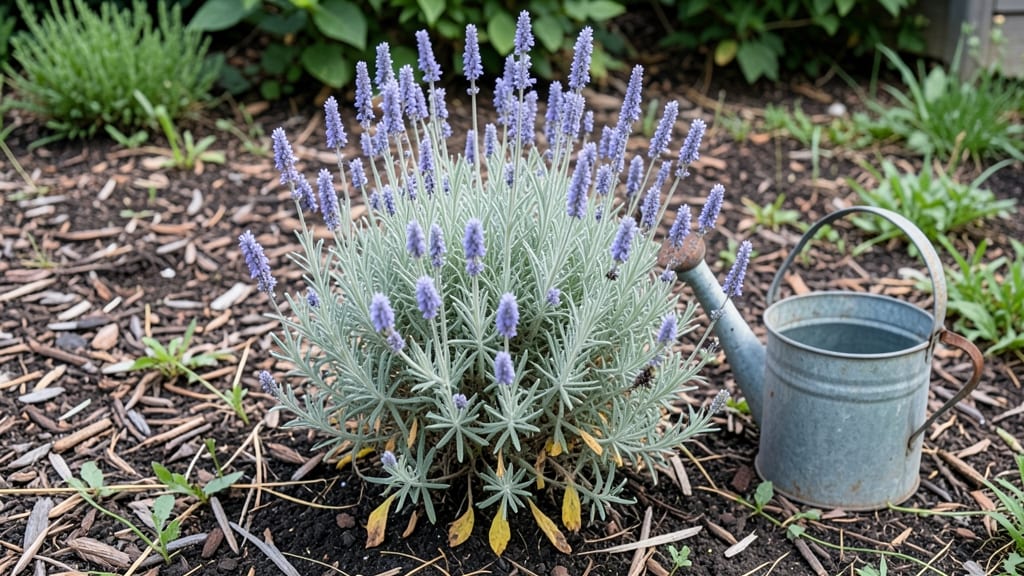
Taking care of perennial plants isn't just about summer blooms—it's about building a garden that comes back stronger every year. I've learned the hard way that perennials reward patience with decades of growth, but only if you give them the right care at the right time.
The key difference between a thriving perennial and one that fades? Consistent attention to water, soil, and seasonal shifts that most gardeners overlook.
You'll need basic tools—a sharp pair of pruners, a trowel, and maybe a mulch spreader—and a game plan for each season. Spring is about feeding roots, summer means balancing water without drowning them, and fall is when you prep for winter's challenges.
My peonies, for example, now bloom like crazy because I stopped cutting back the foliage too early—something I wish I'd known years ago.
By the end of this, you'll have perennials that push through snow to greet spring with vibrant new growth. The secret isn't complicated: it's about working with nature's rhythms instead of fighting them.
You'll see fewer pests, healthier soil, and plants that outlast anything you've grown before—with minimal extra effort once you get the routine down.
Works for everything from daylilies to coneflowers, whether you're working with a sunny border or a shady woodland garden. Let's get those perennials set up for long-term success—no more guessing what they need each season.
📚 In This Guide
- What you need
- Instructions
- Tips and common mistakes
- Wrapping up and next steps
What you need
- ● Well-draining potting mix or garden soil: 5–10 gallons (or enough to fill your planting area). Look for a mix labeled for perennials or flowering plants.
- ● Organic compost or fertilizer: 1–2 cups per plant (or as directed on the label). A balanced, slow-release fertilizer (10-10-10 or similar) works well.
- ● Mulch (organic or inorganic): 2–3 inches thick for moisture retention and weed suppression. Shredded bark, straw, or pine needles are great options.
- ● Watering can or hose with a gentle spray nozzle: For deep, even watering without disturbing the soil.
- ● Garden gloves: A pair to protect your hands from thorns, dirt, or sharp tools.
- ● Hand trowel or transplanting spade: For digging, dividing, or planting.
- ● Pruning shears or secateurs: Sharp, clean tools for trimming dead foliage or shaping plants.
- ○ Garden fork or cultivator: Optional but helpful for aerating soil or removing weeds.
- ● Plant support (stakes, cages, or rings): For tall or top-heavy perennials like delphiniums or hollyhocks.
- ● Slow-release watering system (like drip irrigation): For busy gardeners who want consistent moisture.
- ● Plant labels or markers: To keep track of varieties, especially in mixed gardens.
- ● Pest control (neem oil, insecticidal soap): For organic solutions to common pests like aphids or slugs.
Instructions for year-round perennial plant care
Here's the straightforward routine I use to keep my perennials healthy through every season.
Prepare Soil for Planting or Renewal
Start by testing your soil's drainage and fertility. Perennials need well-draining soil to prevent root rot, so amending with 2-3 inches of compost improves both structure and nutrients. Work the compost into the top 12 inches of soil where roots will establish. If your soil is heavy clay, mix in sand or perlite to create air pockets.
I like to spread the compost in a 3-foot diameter circle around where the plant will go—this matches the mature root zone of most perennials. Water the amended area thoroughly before planting to help settle the soil. The goal is loose, crumbly soil that holds moisture without becoming soggy. If you're dividing existing plants, dig up clumps and separate them while the soil is moist but not wet.
Water Deeply and Establish a Routine
After planting, water deeply once a week for the first 4-6 weeks to encourage strong root growth. You'll know you're watering correctly when the soil feels damp 6 inches down—stick your finger in to check. Avoid shallow watering that only wets the surface, as this encourages weak roots that seek moisture upward instead of spreading outward.
Once established, most perennials need 1 inch of water per week from rainfall or irrigation. I recommend watering in the early morning to reduce evaporation and fungal risks. Mulch with 2-3 inches of organic mulch (like shredded bark) to retain moisture and suppress weeds. Replenish mulch annually as it breaks down.
Prune Strategically by Season
Early spring is the best time to prune back dead foliage from the previous year. Cut stems back to healthy green growth or the crown of the plant, but never remove more than one-third of the plant at once. This gives the plant energy to focus on new growth rather than recovering from drastic cuts.
For flowering perennials, deadhead spent blooms by trimming just above a set of leaves or new growth. This encourages a second flush of flowers and prevents the plant from wasting energy on seed production. In late summer or early fall, cut back one-third of the plant's height to rejuvenate growth and reduce disease risk over winter.
Fertilize and Monitor for Pests
Apply a balanced, slow-release fertilizer (10-10-10) in early spring just as new growth appears. Use about ½ pound per 100 square feet and water it in thoroughly. Avoid high-nitrogen fertilizers in late summer, as they promote tender new growth that won't survive winter.
Check plants weekly for pests like aphids, spider mites, or slugs. Early intervention is key—spray affected areas with neem oil or insecticidal soap for soft-bodied pests. For slugs, set out beer traps (a shallow dish of beer) near plants at dusk. If you notice yellowing leaves or stunted growth, it could signal overwatering, underwatering, or nutrient deficiency—adjust care accordingly.
Protect and Prepare for Winter
Before the first frost, cut back perennial grasses and ornamental grasses to 4-6 inches above the ground. This prevents them from flopping over in winter winds. For tender perennials (like lavender or Russian sage), wrap the crown in burlap or frost cloth and mound 2-3 inches of mulch around the base to insulate roots.
In late winter, check for winter damage like broken stems or heaving soil. Prune out any dead or damaged growth in early spring before new shoots emerge. If you notice mold or slimy residue on mulch, remove it and replace with fresh mulch in spring to prevent disease carryover.
Tips & tricks for perfect perennial plant care
Keeping perennials thriving through every season doesn't have to be complicated—just a few strategic adjustments make all the difference.
The Soil Foundation: When amending your soil with 2-3 inches of compost, don't just spread it randomly. Work it into the top 12 inches where roots will establish—this creates a nutrient-rich zone that encourages deep root growth. For clay-heavy soil, mix in sand or perlite to break up compaction and improve drainage. I've seen perennials struggle in poorly amended soil, so take the time to create that loose, crumbly texture that holds moisture without becoming waterlogged.
Watering Wisdom: Those first 4-6 weeks after planting are critical for root establishment. Watering deeply once a week ensures roots grow outward rather than upward in search of moisture. To check if you're watering correctly, stick your finger 6 inches down—it should feel damp, not soggy. Early morning watering prevents fungal issues by giving foliage time to dry before evening. And that 2-3 inches of organic mulch isn't just decorative—it's a moisture-retaining shield that keeps roots consistently hydrated.
Pruning Precision: The one-third rule applies to both spring pruning and late-summer rejuvenation cuts. Never remove more than one-third of the plant at once, as this stresses the plant and can reduce flowering. For deadheading, always trim just above a set of leaves or new growth—this signals the plant to produce more blooms rather than seeds. I've learned this the hard way after over-pruning and watching plants struggle to recover.
Winter Protection Strategy: For tender perennials, that 2-3 inches of mulch around the base provides essential insulation. Pair it with wrapping the crown in burlap or frost cloth to create a microclimate that protects against freezing temperatures. In late winter, check for winter damage before new growth emerges—this gives you time to prune out any compromised stems before the growing season begins.
Pro Tips for Take Care Of Perennial Plants
- Keeping perennials thriving through every season doesn't have to be complicated—just a few strategic adjustments make all the difference.
- The Soil Foundation: When amending your soil with 2-3 inches of compost, don't just spread it randomly.
- Watering Wisdom: Those first 4-6 weeks after planting are critical for root establishment.
Frequently asked questions
Got questions about keeping your perennials happy? Here are some of the most common ones—plus straightforward answers to help you garden with confidence!
When should I prune my perennials?
Timing depends on the plant! Early spring (before new growth) is ideal for most perennials, but late winter or early fall works for others like coneflowers or ornamental grasses. Avoid pruning in late fall—it can leave plants vulnerable to winter damage. Always research your specific variety first!
How often should I water perennials?
Water deeply 1-2 times per week (more in extreme heat or drought), aiming for 1-1.5 inches of water per session. Morning watering is best to reduce evaporation and fungal risks. Newly planted perennials need more frequent watering (every 2-3 days) until established (usually 6-12 months).
Why are my perennials getting powdery mildew?
Powdery mildew thrives in humid, shady, or crowded conditions. Improve airflow by spacing plants properly, water at the base (not overhead), and avoid wetting foliage. Neem oil or baking soda spray (1 tsp baking soda + 1 quart water + drop of soap) can help treat mild cases. Resistant varieties (like 'Clara Curtis' clematis) are a great long-term fix!
Do perennials need winter protection?
Most hardy perennials (zones 3-7) survive winter with mulch (2-4 inches of straw or shredded leaves). Tender perennials (like lavender or salvia) may need extra mulch or burlap wraps. Avoid heavy mulch on spring-bloomers (e.g., peonies) until after growth starts—it can smother buds!
Can I divide perennials anytime, or is there a best time?
The best time to divide perennials is early spring (just as new growth begins) or early fall. This gives roots time to establish before winter. Avoid dividing in summer heat—plants stress easily. Overcrowded perennials (like hostas or daylilies) benefit most from division every 3-5 years.
Wrapping up and next steps
Taking care of perennial plants is all about consistency, patience, and a little love—and with these year-round secrets, you’re already on the right path! 🌱 Whether it’s mulching for winter protection, pruning for new growth, or feeding with the right nutrients, your perennials will reward you with stunning blooms and lush foliage for seasons to come.
Remember, even the most resilient plants need your attention, but the effort is worth it.
Ready to see your garden flourish? Start small: pick one plant to focus on this week, apply what you’ve learned, and watch it thrive. Soon, your entire garden will thank you! 🌸