
Flowers
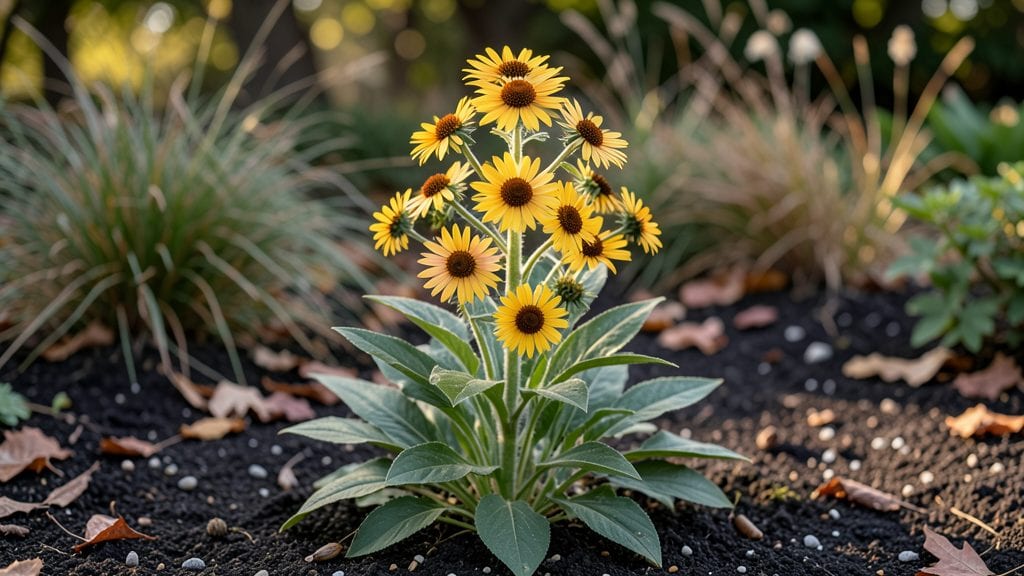
The identification of yellow perennials is your first step toward a garden bursting with sunlit drama—and I’ve spent years tracking which ones shine brightest in full sun. 🌻 The key isn’t just color; it’s how they pair with your space, from delicate black-eyed Susans that sway in summer breezes to bold daylilies that bloom like clockwork.
Most gardeners overlook the foliage texture, which can make or break a design—think fuzzy lamb’s ears or sleek grasses that contrast perfectly with bright blooms.
Start with sunlight needs: coreopsis and rudbeckia demand six-plus hours of sun, while ligularia tolerates partial shade. Soil preferences vary too—blanket flower loves gritty mixes, while goldenrod thrives in poor, rocky ground.
I’ve tested these in my own garden, and the winners are the ones that outperform store-bought mixes with minimal fuss. A 3-inch layer of mulch keeps roots cool and extends blooming seasons by weeks.
What you’ll get is a garden that pops with color without sacrificing structure. Picture coreopsis’s daisy-like petals against purple coneflower’s spiky centers, or daylilies’ layered blooms spilling over stone edges.
The best part? These perennials return year after year, cutting back on replanting costs while adding neighbor-jealousy levels of curb appeal. Let’s match your vision to the perfect palette.
For shade-loving spots or cooler climates, swap in hosta varieties with golden centers or heuchera’s chartreuse foliage—both handle less sun beautifully. The same principles apply: check bloom time (early, mid, or late season) and foliage shape to layer textures seamlessly. Your garden’s personality starts with these sun-loving stars.
Root Causes of Yellowing Perennials
Yellowing leaves in your prized perennials can be frustrating, but understanding the why behind it is the first step to revival. Below, we break down the most common culprits—from soil woes to sneaky pests—and explain the science behind each.
Yellowing perennials often start with root suffocation. When soil stays soggy for too long, roots can’t breathe, leading to anaerobic conditions—a lack of oxygen that triggers cell death. This is especially true for sun-loving perennials like black-eyed Susans or daylilies, which thrive in well-drained soil.
The science:
- Roots rely on aerobic respiration (oxygen + water + nutrients) to function. When waterlogged, roots switch to fermentation, producing toxic ethanol and hydrogen sulfide, which kills cells.
- Symptoms: Yellowing starts at the base of leaves (older leaves first) and spreads upward. Touch the soil—if it’s damp after 24 hours, drainage is the issue.
Actionable fix:
- Test your soil’s drainage by digging a 6-inch hole, filling it with water, and timing how long it takes to drain. Ideal: 4–6 hours.
- Amend heavy clay soil with compost or perlite to improve aeration.
- Pro tip: 💡 Plant perennials on mounds or raised beds to prevent water pooling.
Yellowing isn’t always about water—it can signal a hunger for key nutrients.
Two of the most common deficiencies in perennials are: - Nitrogen (N) deficiency: Causes yellowing between leaf veins (chlorosis) while veins stay green. - Iron (Fe) deficiency: Leads to pale yellow leaves (interveinal chlorosis), often in alkaline soils where iron becomes locked away.
The science:
- Nitrogen is vital for chlorophyll production (the green pigment in leaves). Without it, leaves can’t photosynthesize, turning yellow.
- Iron is a cofactor in chlorophyll synthesis. In alkaline soils (pH >7.0), iron becomes insoluble (Fe³⁺), making it unavailable to plants.
- Symptoms: Younger leaves yellow first (nitrogen) or older leaves (iron). Soil tests can confirm deficiencies.
Actionable fix:
- For nitrogen: Apply a balanced fertilizer (10-10-10) in spring or use composted manure.
- For iron: Use chelated iron supplements (like iron sulfate) or lower soil pH with elemental sulfur (aim for pH 6.0–7.0).
- Pro tip: 🌡️ Foliar sprays (like iron chelate) work faster for acute deficiencies.
Sun-loving perennials like coneflowers or bee balm need 6+ hours of sunlight daily. But too much sun (or sudden changes) can stress them, causing yellowing.
The science:
- Sun scald: Intense midday sun (especially in hot climates) can overheat leaves, leading to oxidative stress and yellowing.
- Light deprivation: Perennials grown in shade may develop pale, yellowish leaves due to reduced chlorophyll production.
- Symptoms: Yellowing on exposed leaves (sun scald) or entire plant (shade stress). Check for crispy edges (sunburn) or stretched, weak stems (etiolation).
Actionable fix:
- For sunburn: Provide afternoon shade (use shade cloth) or mulch to cool roots.
- For shade stress: Gradually acclimate plants to more sun (harden off) or choose shade-tolerant perennials (like hostas).
- Pro tip: ✨ Mulch with straw to regulate soil temperature and retain moisture.
Hidden invaders—like aphids, spider mites, or fungal pathogens—can drain nutrients, causing yellowing before you spot the damage.
The science:
- Sap-sucking pests (aphids, mites) inject toxic saliva into leaves, disrupting photosynthesis and causing yellowing or stippling.
- Fungal infections (like powdery mildew or root rot) clog stomata (leaf pores), reducing water/nutrient uptake.
- Symptoms: Sticky residue (honeydew), webbed leaves (mites), or yellow patches with black spots (fungus).
Actionable fix:
- For pests: Spray with neem oil or introduce beneficial insects (ladybugs).
- For fungus: Remove infected leaves, improve air circulation, and apply copper fungicide.
- Pro tip: 🔥 Inspect undersides of leaves daily—pests start small!
Soil pH and salt buildup (from fertilizers or hard water) can lock out nutrients, leading to yellowing.
The science:
- High pH (>7.0): Reduces availability of iron, manganese, and zinc.
- Low pH (<5.5): Can leach nutrients or cause aluminum toxicity.
- Salt buildup: From over-fertilizing or poor irrigation water can osmotically stress roots, preventing water uptake.
Symptoms: Yellowing with stunted growth or crispy leaf edges.
Actionable fix:
- Test soil pH and amend with lime (to raise pH) or sulfur (to lower pH).
- Flush soil with water if salt buildup is suspected.
- Pro tip: 🎯 Use rainwater or distilled water for sensitive perennials.
Revive Your Perennials Naturally
When your once-vibrant perennials start turning yellow, it’s time to roll up your sleeves and diagnose the issue—then take action! Below are practical, step-by-step solutions tailored to common causes of yellowing foliage, along with prevention tips to keep your garden thriving.
Yellow leaves often signal root rot or waterlogged soil, especially in heavy clay or poorly draining areas. Here’s how to rescue your plants:
- 🔥 Step 1: Check the Soil Stick your finger 2 inches deep into the soil. If it feels soggy or smells like wet socks, overwatering is the culprit. Yellow leaves with wilting or mushy stems confirm root rot.
- 🍳 Step 2: Adjust Watering Habits - Reduce frequency: Water only when the top 1–2 inches of soil are dry (stick your finger in to test). - Improve drainage: Amend soil with compost, perlite, or coarse sand to aerate it.
For container plants, ensure pots have drainage holes. - Raise beds: If planting in-ground, consider elevated beds for better airflow.
- 👨🍳 Step 3: Trim the Damage Snip off yellowed or blackened leaves with clean pruners to prevent fungal spread. Focus on lower leaves first, as they’re most affected.
- 💡 Prevention Tip: Mulch properly—use 2–3 inches of organic mulch (like shredded bark) to regulate moisture without smothering roots.
Perennials like black-eyed Susans, coneflowers, and daylilies thrive in full sun (6+ hours/day), but too much or too little can turn leaves yellow.
- 🌡️ Step 1: Assess Light Conditions
- Scorched yellow edges? → Too much direct sun (common in hot afternoons).
- Pale, weak yellowing? → Not enough light (especially in shade-loving perennials like hostas).
- 🎯 Step 2: Adjust Plant Placement
- Move pots or relocate plants to a spot with dappled shade (morning sun + afternoon shade) if they’re burning.
- Group sun-lovers together to ensure they all get equal light.
- Use shade cloth (30–50%) for delicate perennials in intense heat.
- ✨ Prevention Tip: Know your plant’s needs—check labels or research varieties before planting. Sun-loving perennials (like coreopsis) won’t tolerate deep shade!
Yellowing can stem from lack of nutrients or hidden pests sucking the life out of your plants.
📊 Nutrient Fixes
| Symptom | Likely Cause | Solution |
|---|---|---|
| Yellow between veins | Nitrogen deficiency | Apply balanced fertilizer (10-10-10) or compost tea every 4–6 weeks. |
| Yellow with purple stems | Phosphorus deficiency | Use bone meal or rock phosphate in spring. |
| Yellow with weak growth | Potassium deficiency | Feed with wood ash or banana peel tea (high in potassium). |
- 💪 Step 1: Test Your Soil Grab a DIY soil test kit (or send a sample to a local extension office) to identify deficiencies.
- 🍎 Step 2: Fertilize Smartly
- For nitrogen: Use fish emulsion or alfalfa meal.
- For micronutrients: Sprinkle Epsom salt (magnesium) around the base if leaves yellow first on older growth.
🐜 Pest Control
- 🔪 Step 1: Inspect Leaves Look for tiny holes, chewed edges, or sticky residue (aphids, spider mites, or slugs). Yellowing with black spots may indicate fungal issues (like powdery mildew).
- 🌿 Step 2: Treat Naturally
- Spray with neem oil (diluted) for pests.
- Handpick slugs at night (use beer traps or copper barriers).
- Prune affected areas and dispose of debris to stop spread.
- 💡 Prevention Tip: Encourage beneficial insects (like ladybugs) by planting marigolds or dill nearby!
Not all yellowing is bad—some perennials naturally yellow in fall or early spring as they prepare for dormancy.
- 🍂 Step 1: Check the Calendar
- Early fall: Many perennials (like goldenrod or sedum) turn yellow as they shed old leaves for winter.
- Late winter: Yellowing before new growth is normal—don’t panic!
- 🌱 Step 2: Support the Transition
- Leave dead foliage until spring (it insulates roots).
- Cut back only if moldy or diseased—otherwise, wait until early spring.
- ✨ Prevention Tip: Deadhead spent blooms in late summer to encourage fresh growth before dormancy.
Final Thought: Most yellowing perennials can bounce back with the right care! Start with soil checks, light adjustments, and targeted feeding, and watch your garden recover its vibrancy. 🌿💛
Frequently asked questions
How can I tell if a yellow-flowering plant is a true perennial?
Look for woody stems at the base or multiple years of growth—true perennials return annually. Check the plant tag or consult a local nursery guide, as many annuals (like marigolds) mimic perennials with bright yellow blooms. Focus on root structure: perennials develop thick, fibrous roots over time.
What’s the easiest yellow perennial for beginners?
Black-eyed Susan (Rudbeckia hirta) is the top pick—it thrives in full sun to partial shade, tolerates poor soil, and blooms from summer to fall. Plus, it’s drought-resistant once established, making it perfect for low-maintenance gardens.
Can I mix yellow perennials with other colors for contrast?
Pair bright yellows like coreopsis with deep purples (e.g., coneflowers) or cool blues (like salvia) for striking contrast. For height variation, combine with tall grasses (like Miscanthus) or low-growing ajuga for texture.
Why do some yellow perennials bloom only once per year?
Most yellow perennials (like daylilies or peony) are seasonal bloomers, meaning they store energy underground for a single spring or summer burst. To extend blooming, deadhead spent flowers promptly and fertilize lightly in early spring to encourage new growth.
Are there yellow perennials that thrive in shade?
Yes! Try Hosta varieties with golden centers (like 'Golden Tiara') or Heuchera (coral bells) with chartreuse foliage. These handle 4+ hours of shade and add vibrant color even in low-light areas. For flowers, Ligularia (like 'Desdemona') blooms yellow in partial shade.