
Planting
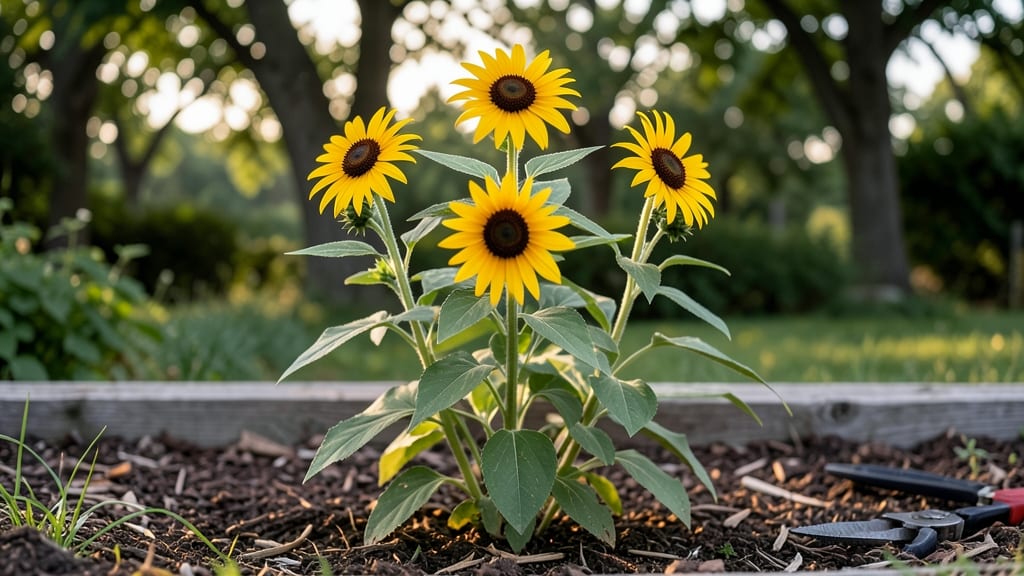
Mastering yellow perennial plant identification is easier than ever—here are the 20 most common varieties, from Black-Eyed Susans to Daylilies that glow like tiny suns. 🌻 The key? Look at leaf shape, bloom structure, and growth habit, not just color.
Most yellow perennials thrive in full sun but tolerate partial shade, making them versatile for borders, meadows, or wildflower gardens. Goldenrod, for example, spreads aggressively in open fields, while Coreopsis stays compact in containers.
Regional differences matter too—some, like Butterfly Weed, handle heat and drought, while others wilt without consistent moisture.
Once you’ve narrowed it down, care becomes straightforward. Most yellow perennials appreciate well-draining soil and occasional deadheading to encourage more blooms. The Black-Eyed Susan, for instance, rewards neglect but explodes with color when given a little compost in spring.
Overwatering? That’s when problems like fungal spots or leggy stems creep in.
If your yellow perennials start looking sad—pale leaves, weak stems, or sparse blooms—check for pests like aphids or nutrient deficiencies. A simple soil test or targeted fertilizer can turn things around. But first, let’s get you identifying them with confidence.
Root Causes of Yellowing Perennials
Yellowing in perennial plants is rarely just a random act of nature—it’s usually a cry for help, often tied to underlying issues. Understanding these causes helps you diagnose and treat the problem before it spreads.
Below, we break down the most common reasons why your perennials might be turning yellow, along with the science behind them.
Plants need a balanced diet, and when one nutrient is missing, they show it—often in yellowing leaves. The most common deficiencies include:
- 📊 Nitrogen (N) Deficiency Nitrogen is the building block of chlorophyll, the pigment that gives leaves their green color. Without enough nitrogen, leaves lose their vibrancy and turn yellow, starting from the older, lower leaves first.
This is especially common in fast-growing perennials like hostas or asters that deplete soil nutrients quickly. - Actionable Fix: Apply a balanced fertilizer (10-10-10 or 20-20-20) in early spring. For organic solutions, use compost, manure, or fish emulsion to boost nitrogen levels naturally.
- 💡 Iron (Fe) or Chlorosis (Yellowing Between Veins) Yellowing that appears only between leaf veins (while veins stay green) is a classic sign of iron deficiency, often caused by alkaline soil or poor iron uptake.
This is common in calcium-loving plants (like peonies or lavender) grown in high-pH soils. - Actionable Fix: - Lower soil pH with sulfur, peat moss, or pine needles. - Use chelated iron supplements (like Iron Chelate) for a quick fix. - Mulch with acidic materials (pine bark or composted leaves) to improve iron availability over time.
- 🌡️ Magnesium (Mg) or Potassium (K) Shortages Yellowing that starts at the edges or tips of older leaves may indicate magnesium deficiency, while weak stems and yellowing between veins can signal potassium issues.
These are often seen in stressed perennials like daylilies or coneflowers. - Actionable Fix: - Magnesium: Apply Epsom salt (magnesium sulfate) dissolved in water (1 tbsp per gallon) as a foliar spray or soil drench. - Potassium: Use a potassium-rich fertilizer (like wood ash or banana peel tea) or a balanced 5-10-10 formula.
Yellow leaves can also signal root stress from too much water or compacted soil. Unlike nutrient deficiencies, this often affects younger leaves first and may be accompanied by mushy stems or wilting.
- 🌧️ Root Rot & Waterlogged Soil Perennials like rudbeckias or black-eyed Susans hate soggy roots.
When soil stays waterlogged, oxygen can’t reach the roots, leading to anaerobic conditions and fungal infections (like Phytophthora). - Actionable Fix: - Improve drainage by amending soil with sand, perlite, or compost. - Raise plant beds if your garden has clay soil. - Water deeply but less frequently—let the top 1-2 inches of soil dry out between waterings.
- 🚫 Salt or Chemical Buildup Over-fertilizing (especially with synthetic salts) or using hard water for irrigation can lead to salt accumulation in the soil.
This disrupts water uptake and causes leaf burn or yellowing. - Actionable Fix: - Flush the soil with rainwater or distilled water. - Use organic fertilizers (like compost tea) to avoid salt buildup. - Mulch heavily to prevent evaporation and reduce salt concentration.
Perennials are tough, but extreme conditions can still take a toll. Yellowing may appear as a survival mechanism to reduce water loss or protect the plant from damage.
- 🔥 Heat Stress & Transplant Shock Sudden temperature spikes (especially in tender perennials like cannas or dahlias) can cause leaf scorch, turning edges yellow or brown. Transplant shock (from moving plants mid-season) can also trigger yellowing as the plant struggles to adapt.
- Actionable Fix:
- Provide afternoon shade during heatwaves.
- Mulch with straw or wood chips to regulate soil temperature.
- Water deeply in the morning to reduce stress.
- Actionable Fix:
- ❄️ Cold Damage & Early Freezes Some perennials (like tender salvias or fuchsias) can’t handle sudden freezes. Blackened or yellowed leaves after a cold snap are a sign of cold injury, where cell membranes rupture and nutrients leak out.
- Actionable Fix:
- Mulch heavily before winter with straw or leaves (4-6 inches deep).
- Choose cold-hardy perennials for your zone (check USDA Hardiness Zone maps).
- Use row covers for a last-minute frost protection.
- Actionable Fix:
- ☀️ Too Much or Too Little Sun Sunburn (from intense afternoon sun) causes yellowing with brown, crispy edges, while leggy, pale leaves signal etiolation (stretching for light).
Perennials like coleus or impatiens wilt in full sun, while sedum or lavender may yellow if shaded too much. - Actionable Fix: - Gradually acclimate plants to more sun (harden off seedlings). - Provide dappled shade with sheer curtains or lattice for sensitive species. - Rotate pots if growing in containers to ensure even light exposure.
Not all yellowing is environmental—pests and pathogens can drain nutrients or block water transport, leading to discoloration.
- 🐜 Sap-Sucking Insects (Aphids, Spider Mites, Scale) These pests inject toxins or steal sap, causing yellow stippling, curled leaves, or honeydew buildup.
Look for tiny webs, sticky residue, or black sooty mold on leaves. - Actionable Fix: - Blast off pests with a strong spray of water. - Use neem oil or insecticidal soap for organic control. - Introduce beneficial insects (ladybugs, lacewings) to keep populations in check.
- 🍄 Fungal Infections (Powdery Mildew, Rust, Leaf Spot) Fungal diseases thrive in humid, stagnant conditions and often cause yellow halos or spots before turning leaves brown. Powdery mildew leaves a white, flour-like coating, while rust creates orange pustules.
- Actionable Fix:
- Improve airflow by pruning crowded plants and spacing them properly.
- Apply copper fungicide or baking soda spray (1 tsp baking soda + 1 quart water + a drop of dish soap).
- Remove and destroy infected leaves to prevent spread.
- Actionable Fix:
- 🐛 Root-Knot Nematodes & Soil-Borne Pathogens Microscopic nematodes burrow into roots, disrupting nutrient uptake and causing stunted growth and yellowing.
This is common in heavy, compacted soils. - Actionable Fix: - Solarize soil (cover with clear plastic for 4-6 weeks in summer) to kill nematodes. - Plant nematode-resistant varieties (e.g., marigolds as trap crops). - Rotate crops and avoid planting susceptible perennials in the same spot yearly.
Pro Tip: 💡 Before treating, take a soil test (available through local extension offices) to confirm deficiencies. Over-fertilizing can sometimes make problems worse by masking underlying issues like drainage problems!
Revive Your Yellowing Perennials
Yellowing leaves in your perennials can be a sign of stress, but with the right approach, you can nurse them back to health. Below are practical solutions tailored to common causes, along with prevention tips to keep your plants thriving.
If your perennials are sitting in soggy soil, their roots suffocate and turn yellow from lack of oxygen.
How to Fix It: 🔥 Check the soil moisture – Stick your finger 2 inches deep; if it’s damp, hold off on watering. 🍳 Improve drainage – Amend heavy clay soil with compost or sand to help water flow. 👨🍳 Repot if needed – If the plant is in a container, ensure it has drainage holes and use well-draining potting mix. 🥘 Adjust watering habits – Water deeply but less frequently, allowing the top inch of soil to dry between sessions.
Prevention Tips: ✨ Raise containers slightly to prevent water pooling. 🌡️ Use mulch to regulate soil moisture and reduce evaporation.
Dry, crispy yellow edges or wilting leaves often mean your perennials are thirsty or struggling in extreme heat.
How to Fix It: 🔥 Water at the base – Early morning is best to reduce evaporation. 🍳 Provide shade – Use shade cloth or move potted plants to a spot with afternoon shade. 👨🍳 Mulch heavily – A 2-3 inch layer of mulch retains moisture and cools roots. 🥘 Fertilize lightly – A balanced, water-soluble fertilizer can help stressed plants recover.
Prevention Tips: 💡 Group plants with similar water needs to simplify care. 🎯 Install a drip irrigation system for consistent moisture.
Yellow spots, mold, or slimy stems may indicate a fungal or bacterial issue.
How to Fix It: 🔥 Remove infected leaves – Prune away yellowed or spotted foliage with sterilized shears. 🍳 Apply fungicide – Use a copper-based or neem oil spray for prevention and treatment. 👨🍳 Improve airflow – Space plants properly and avoid overcrowding. 🥘 Water at the base only – Avoid wetting leaves to prevent fungal spores from spreading.
Prevention Tips: ✨ Clean tools with rubbing alcohol before and after pruning. 🌡️ Space plants 12-18 inches apart for better air circulation.
Yellowing between leaf veins (chlorosis) often signals a lack of essential nutrients like nitrogen, iron, or magnesium.
How to Fix It: 🔥 Test your soil – A simple DIY kit or lab test can reveal deficiencies. 🍳 Add organic matter – Work in compost or aged manure to replenish nutrients. 👨🍳 Use targeted fertilizers –
- Yellow lower leaves? → Nitrogen-rich fertilizer (e.g., fish emulsion).
- Yellow between veins? → Iron chelate or Epsom salt (for magnesium).
🥘 Mulch with leaf mold – A slow-release nutrient boost for perennials.
Prevention Tips: 💡 Fertilize in early spring before new growth begins. 🎯 Rotate crops if growing edible perennials to prevent nutrient depletion.
Chewing insects, aphids, or spider mites can cause yellowing as they sap plant vitality.
How to Fix It: 🔥 Inspect leaves – Look for tiny holes, webbing, or sticky residue (honeydew). 🍳 Blast pests off – Use a strong spray of water to dislodge aphids or mites. 👨🍳 Apply insecticidal soap – A gentle, plant-safe option for most pests. 🥘 Introduce beneficial insects – Ladybugs or lacewings prey on common garden pests.
Prevention Tips: ✨ Encourage biodiversity – Plant companion flowers like marigolds to repel pests. 🌡️ Remove debris – Clear fallen leaves where pests hide over winter.
Final Tip: 🌟 When in doubt, observe! Keep a plant journal to track symptoms, watering, and soil conditions—this helps pinpoint issues faster next time. Most perennials bounce back with a little TLC!
Frequently asked questions about bright yellow perennial plants
How do I tell the difference between Goldenrod and Black-Eyed Susan?
Goldenrod has narrow, feathery leaves and plume-like yellow blooms that appear in late summer, while Black-Eyed Susan features coarser, daisy-like flowers with a dark center. Goldenrod thrives in open meadows, while Black-Eyed Susan adapts to both sunny borders and partial shade.
Are there any yellow perennials that thrive in shade?
Yes! Hosta varieties (like 'Golden Tiara') and Lungwort (Pulmonaria) produce cheerful yellow foliage or blooms in partial to full shade. Solomon's Seal also offers arching stems with subtle yellow-green flowers, perfect for woodland gardens.
Why is my yellow perennial not blooming?
Most yellow perennials need full sun (6+ hours daily) and well-draining soil. Overcrowding or old growth can also suppress blooms—try deadheading spent flowers and dividing clumps every 3-4 years. Fertilize lightly in spring with balanced 10-10-10 for a boost.
Can I grow yellow perennials in containers?
Coreopsis and Daylilies thrive in pots with fast-draining mix (add perlite). Choose containers 12+ inches deep and water consistently—containers dry out faster than garden beds. Rotate pots monthly for even sunlight exposure.
Are there any yellow perennials that attract pollinators?
Yes! Butterfly Weed (Asclepias tuberosa) and Coneflower (Echinacea)) draw bees, butterflies, and hummingbirds with their bright blooms. Goldenrod is also a late-season nectar powerhouse for migrating monarchs.