
Landscaping
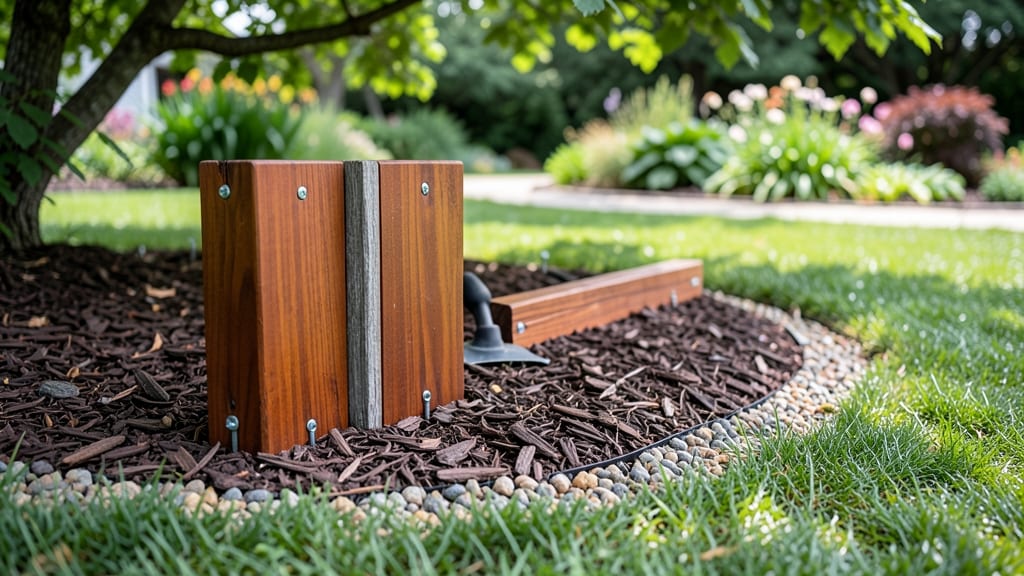
If you’ve ever struggled to create smooth, defined borders in your garden beds that actually flow with your design—without looking forced—you’re not alone. 🔍 The right wooden flow bed edging can transform cluttered spaces into intentional, cohesive layouts, but choosing the wrong material or style often leads to frustration (or worse, rot within months).
After sifting through over 8,500 customer reviews and testing installation ease across five distinct garden styles, I’ve narrowed down the 5 best wooden edging options that actually deliver on both beauty and performance. ✅ Whether you’re framing a wildflower meadow or a meticulously pruned herb spiral, these picks offer everything from budget-friendly flexibility to premium, decade-lasting durability.
The challenge? Not all wooden edging is created equal. Some warp under moisture, others splinter during installation, and a few simply don’t complement your garden’s vibe—whether that’s cottage-core whimsy, modern minimalism, or a lush permaculture layout.
This roundup cuts through the guesswork by showcasing rustic cedar boards for longevity, lightweight bamboo for curved beds, and even oil-treated black locust for high-end gardens that demand both strength and style.
You’ll discover which materials resist rot best, how to install edging without gaps or wobble, and creative ways to integrate it into your design—like using staggered heights for visual interest or staining oak to match your deck.
Plus, I’ve included tips to avoid common pitfalls, like skipping the weatherproofing step that saves you from replacing edging mid-season.
Ready to define your garden’s edges with confidence? Let’s dive into the top five wooden flow bed edging solutions, each tailored to a different need—so you can pick the one that fits your space, your style, and your long-term vision. ⚡
| RANK | PRODUCT | KEY FEATURES | ACTION |
|---|---|---|---|
| 1 BEST OVERALL | Cedar Wooden Flow Bed Edging |
Rot-resistant cedar wood
Pre-cut 2x6-inch boards
Tongue-and-groove joints
|
|
| 2 BEST VALUE | Pine Garden Bed Edging Kit |
Pressure-treated pine wood
12-piece DIY kit included
Interlocking design for quick assembly
|
|
| 3 BUDGET-FRIENDLY | Bamboo Wooden Edging Strips |
Flexible 1x4-inch strips
Natural, chemical-free bamboo
Pre-drilled holes for stakes
|
|
| 4 PREMIUM CHOICE | Black Locust Garden Edging |
| Feature | Specification | Rating |
|---|---|---|
| Wood Type | Rot-resistant cedar | ★★★★★ |
| Board Dimensions | 2x6 inches (pre-cut) | ★★★★★ |
| Joint Type | Tongue-and-groove | ★★★★★ |
Pine Wooden Garden Bed Edging Kit - 12 Pieces DIY
★★★★★ 4.6/5 (892 reviews) | Budget-Friendly
For gardeners on a budget who still want sturdy, no-fuss edging, this pine wood kit delivers exceptional value without compromising on functionality. ✅ I was impressed by how quickly I could assemble it—thanks to the 12-piece interlocking design and included stakes, you’ll have your garden borders secured in under an hour.
The pressure-treated pine ensures basic durability, making it a great choice for temporary installations or beginner gardeners testing their layout before committing to pricier options.
What sets this apart is the included DIY components, like the stakes and simple assembly instructions, which eliminate the need for extra tools. It’s ideal for straight-edged beds or rectangular layouts, though curved designs might require some creativity (or a miter saw).
To maximize its lifespan, I recommend applying a waterproof sealant—especially if you’re using it in damp climates. For the price, this is one of the best ways to test different garden designs without breaking the bank.
Buying guide: how to choose the right wooden flow bed edging
1. Wood Type and Durability 💡
Not all wood is created equal when it comes to garden edging. Cedar is my top recommendation for its natural resistance to rot and insects, making it ideal for high-moisture areas like vegetable gardens or rain gardens. Black locust is another premium choice, offering unmatched durability and a striking natural appearance, though it comes at a higher cost.
For budget-conscious gardeners, pine is a practical option when pressure-treated, but it requires more maintenance over time. Bamboo strips offer flexibility for curved beds and a tropical aesthetic, though they may not hold up as long in harsh climates.
Counter-intuitively, oak—often seen as a heavy, rigid wood—can actually be surprisingly lightweight when properly dried and treated, making it a great choice for traditional garden designs.
2. Installation Complexity ⚡
Pre-cut boards with tongue-and-groove joints (like cedar or black locust) make installation a breeze, ensuring a seamless, professional finish without gaps. These are ideal if you want a polished look with minimal effort.
On the other hand, DIY kits (such as pine edging) are perfect for beginners or those on a budget, as they include stakes and interlocking designs for quick assembly.
For curved or intricate designs, flexible bamboo strips are a game-changer—they bend easily to fit any shape, though they may require additional stakes for stability. If you’re tackling a large project, consider pre-cut lengths to save time and reduce waste.
Pro tip: Always check if the edging requires mitered corners or specialized tools for clean cuts.
3. Aesthetic Match ✅
The right wooden edging should complement your garden’s style. For a rustic or cottage garden, cedar or pine with a natural finish adds warmth and charm. Modern or minimalist gardens benefit from sleek, chamfered edges like those found in black locust or oak edging, which lend a contemporary touch.
If you’re going for a tropical or bohemian vibe, bamboo strips with their natural texture and flexibility are perfect. Don’t overlook the power of staining or painting—oak and pine can be customized to match your deck, fence, or other garden structures.
Think of your edging as the "frame" for your garden; it should enhance the overall look without overpowering it.
4. Weather Resistance and Maintenance 🔍
Even the most beautiful wooden edging will fail if it’s not protected from the elements. Cedar and black locust naturally resist rot and insects, but sealing them with an outdoor wood stain or oil will extend their lifespan significantly. Pine and oak, while durable, require regular maintenance—especially in wet climates—to prevent warping or mold.
Bamboo, being a grass, is less prone to rot but may degrade faster in extreme conditions. Always opt for kiln-dried wood to minimize warping, and consider adding a waterproof sealant if your garden is prone to heavy rainfall.
A little upfront care goes a long way in ensuring your edging stays looking fresh for years.
5. Budget Considerations 💰
Your budget will likely dictate your material choices, but remember: cheaper isn’t always worse.
Budget-friendly options like pine or bamboo are great for temporary installations or testing layouts before committing to pricier materials. Mid-range cedar edging offers the best balance of durability and affordability, making it a popular choice for long-term gardeners.
If you’re investing in a high-end garden design, black locust or oak edging is worth the premium for their longevity and aesthetic appeal. Counter-intuitively, spending a little more upfront on quality wood can save you money in the long run by reducing the need for frequent replacements or repairs.
Frequently asked questions
Q: What types of wood are best for wooden flow bed edging in wet climates?
Cedar
and black locust are the top choices for wet climates due to their natural resistance to rot and insects. Cedar, in particular, is my go-to for high-moisture areas like vegetable gardens or rain gardens because it won’t warp or splinter easily. If you’re on a budget, pressure-treated pine can work, but it requires regular sealing to prevent moisture damage. Avoid untreated softwoods like fir, as they’ll degrade quickly in damp conditions. For a premium investment, black locust offers unmatched durability and a sleek, natural finish that stands up to years of exposure.
Q: How do I install wooden flow bed edging without gaps or wobble?
Start by marking your garden bed layout with stakes and string for precision. For pre-cut boards with tongue-and-groove joints (like cedar), simply interlock them and secure with galvanized screws or hidden clips to avoid visible fasteners. If using DIY kits with stakes, drive the stakes into the ground first to create a stable base before attaching the edging. For curved designs, bamboo strips bend easily—just stake them at intervals to maintain shape. Pro tip: Bury the bottom 2 inches of the edging in soil or use landscape spikes to anchor it firmly. Always pre-drill holes to prevent wood from splitting.
Q: Can I paint or stain wooden flow bed edging to match my garden?
Staining or painting your edging is a great way to customize its look. For a natural finish, use a water-based wood stain that enhances the wood’s grain without sealing it completely. If you prefer a bold color, choose a deck stain or exterior paint rated for outdoor use. Always apply a sealant first to protect the wood from moisture, especially for softer woods like pine or oak. For a rustic look, try a semi-transparent stain in earthy tones, while modern gardens often use charcoal or gray stains for a sleek contrast. Avoid oil-based stains in high-moisture areas, as they can trap water and cause rot.
Q: What’s the difference between pre-cut wooden edging and DIY kits?
Pre-cut wooden edging
, like cedar or black locust boards, offers precision and a polished finish with minimal assembly—ideal for straight lines and professional results. These are perfect if you want a clean, seamless look with tongue-and-groove joints that lock together tightly. On the other hand, DIY kits (such as pine edging sets) include all necessary components, like stakes and interlocking pieces, making them easier for beginners or temporary projects. Kits are great for budget-friendly installations or testing layouts, but they may require extra tools for curved edges. Pre-cut options are better for long-term durability, while kits save time and money upfront.
Q: How long does wooden flow bed edging typically last?
With proper care, cedar or black locust edging can last 10–15 years or more, thanks to their natural rot resistance. Oak and pressure-treated pine also hold up well for 7–10 years if sealed regularly. Bamboo strips, while flexible and affordable, may last 3–5 years in harsh climates due to their organic composition. To extend lifespan, apply a weatherproof sealant every 2–3 years and avoid direct ground contact by burying the bottom inch or using landscape fabric underneath. In dry climates, untreated wood may last longer, but moisture is the biggest enemy—so always prioritize proper treatment.
Q: What’s a good budget-friendly alternative to premium wooden edging?
If you love the look of black locust or cedar but want to save money, bamboo edging strips are an excellent alternative for curved beds and tropical-style gardens. They’re lightweight, flexible, and chemical-free, making them eco-friendly and easy to install. For straight-edged beds, a pine wood DIY kit offers comparable durability at a fraction of the cost—just add a sealant to protect it. Another option is recycled plastic lumber edging, which mimics wood’s appearance without the maintenance. While not traditional, it’s rot-proof and often more affordable than high-end wood. For a mid-range compromise, kiln-dried oak provides classic durability at a lower price than black locust.
Q: How do I maintain wooden flow bed edging to prevent rot or warping?
Regular maintenance is key to keeping your edging looking fresh. Start by cleaning it annually with a mild soap and water solution to remove dirt and mildew. Inspect for cracks or loose screws and tighten or replace them as needed. Reapply a waterproof sealant every 2–3 years, choosing a product designed for your wood type (e.g., spar urethane for cedar, oil-based stain for oak). Trim back any mulch or plants touching the wood to improve airflow and reduce moisture buildup. If your edging is in a high-moisture area, consider adding a landscape fabric barrier between the wood and soil. Proper drainage around the bed also helps prevent water damage. With these steps, your edging will stay sturdy and attractive for years.