
Landscaping
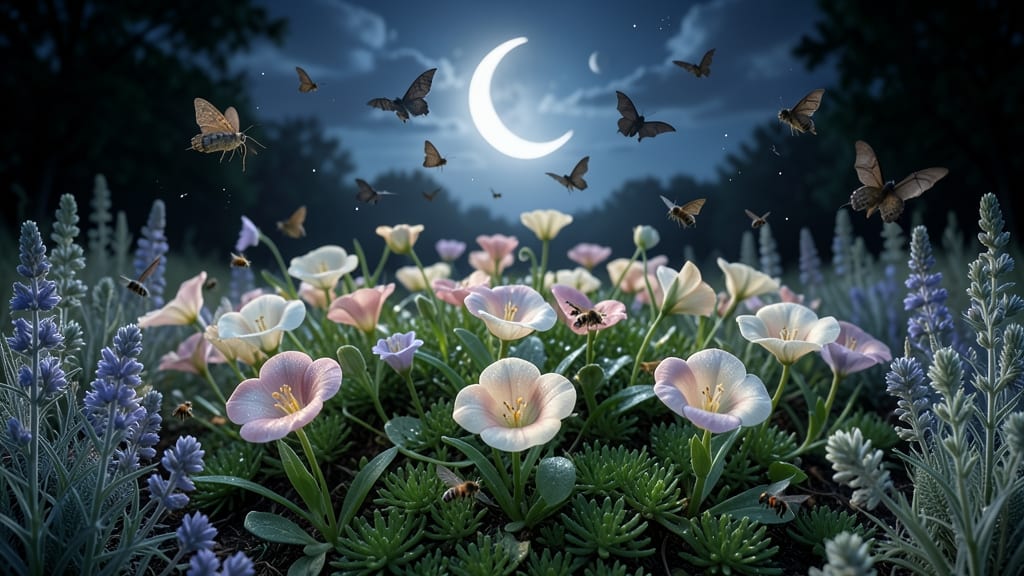
Transform your garden into a buzzing ecosystem with these 10 wildflower bed designs. Each concept supports pollinators while offering year-round beauty, from sun-drenched meadows to shade-loving cottage gardens.
Sunny Pollinator Meadow with Native Perennials
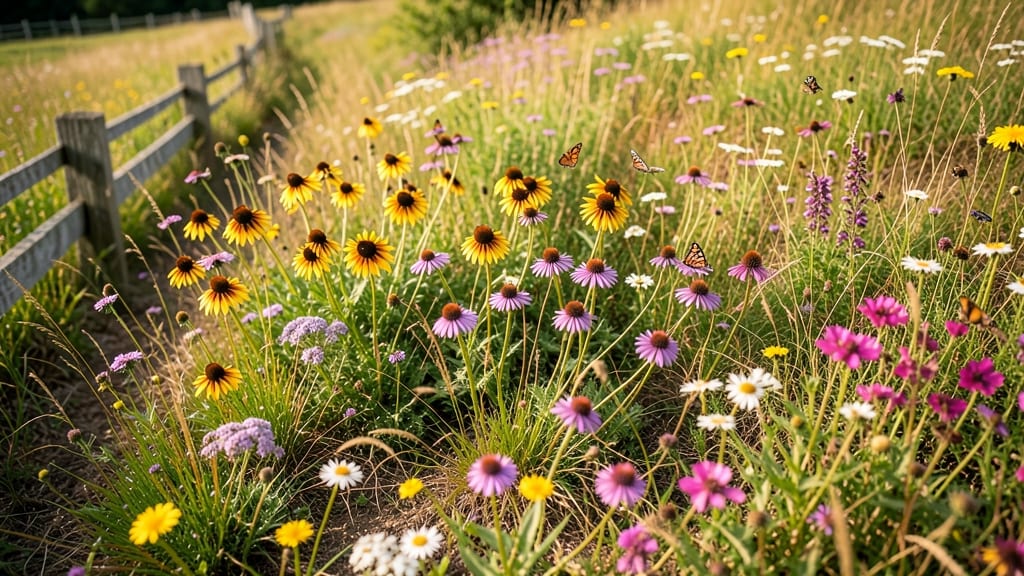
Turn a corner of your yard into a thriving pollinator paradise with a sunny meadow packed with native perennials like coneflowers and black-eyed Susans. This design isn’t just beautiful—it’s a low-maintenance powerhouse that supports local ecosystems while cutting your water bills.
Start by selecting deep-rooted natives adapted to your region, which thrive on minimal water once established and outcompete weeds. Plant in loose clusters rather than rows for a natural look, and mix heights—tall Joe Pye weed (3-5 feet) behind shorter bee balm (2-3 feet) and low salvia (1-2 feet). The result? A year-round buffet for bees, butterflies, and hummingbirds, with peak activity from June through September.
Perfect for homeowners with large, sunny spaces who want to reduce water use while boosting biodiversity. Just mow back stems in late winter to encourage fresh growth—no fuss, all reward. 🌻
Shade-Tolerant Woodland Wildflower Border
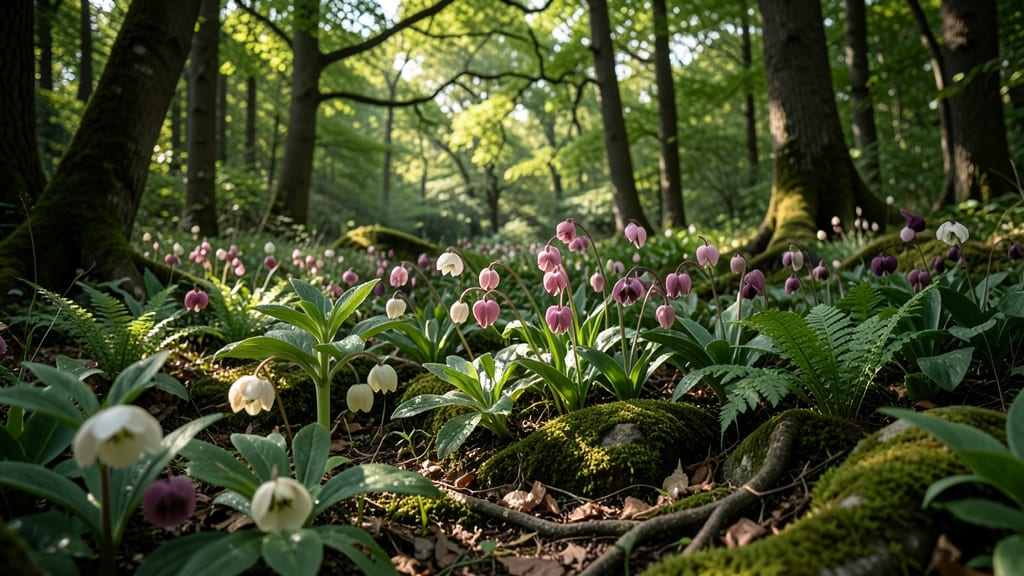
Turn that tricky, shady spot under your trees into a thriving woodland sanctuary with a shade-tolerant wildflower border. Unlike sun-loving meadows, this design thrives in dappled shade where most plants struggle, using hellebores, bleeding hearts, and ferns to create a lush, layered tapestry that hummingbirds can't resist.
Start with hellebores for early spring blooms in white, pink, or deep purple, followed by bleeding hearts with their iconic heart-shaped leaves. Add fern varieties like maidenhair or ostrich fern for texture, and include wild ginger for ground cover. These plants naturally suppress weeds and attract pollinators without needing full sun.
This design is perfect for gardeners with woodland edges, patios under trees, or north-facing beds—ideal for those who want beauty without the sun exposure. The layered look creates depth while requiring minimal maintenance, making it a dream for busy gardeners. 🌿
Drought-Resistant Desert Wildflower Mix
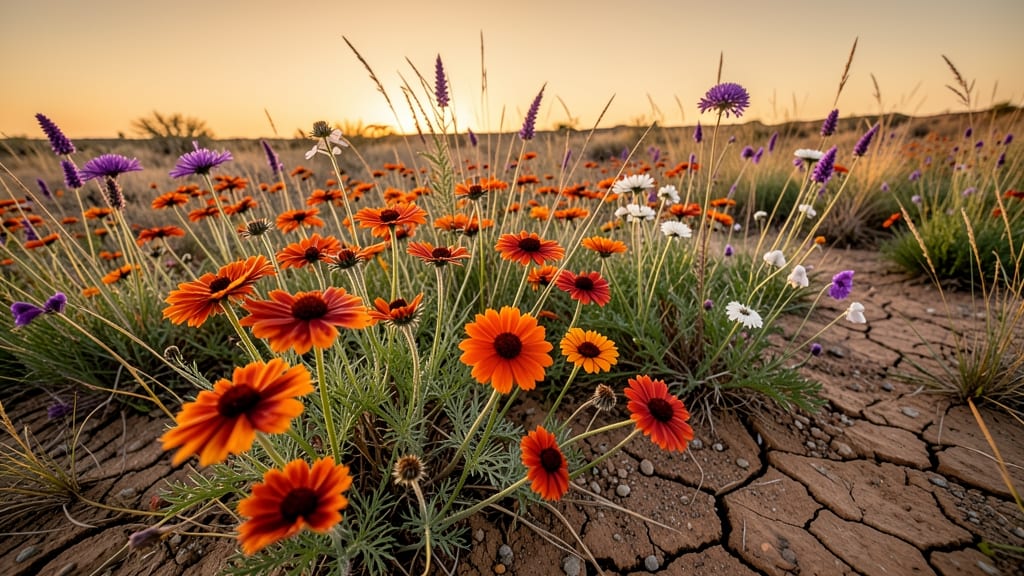
Turn your water-guzzling garden into a thriving desert oasis with a drought-resistant wildflower mix that thrives on nature’s rainfall alone. This bold blend of blanket flowers (Gaillardia), yarrow (Achillea), and penstemon (Penstemon) creates a vibrant tapestry of orange, purple, and white hues that defies dry conditions—perfect for arid climates or water-conscious gardeners.
These hardy annuals and perennials need no supplemental watering once established, making them ideal for low-maintenance landscapes. Plant seeds directly in well-draining soil after the last frost, spacing them 6–12 inches apart for a natural, wild look. Their deep roots suppress weeds while attracting pollinators like bees and butterflies, even in the hottest months.
Ideal for urban deserts, sloped yards, or xeric gardens, this mix proves that beauty and sustainability go hand in hand. Perfect for gardeners who want year-round color without the water bill. 🌻
Cottage Garden Wildflower Cottage Style
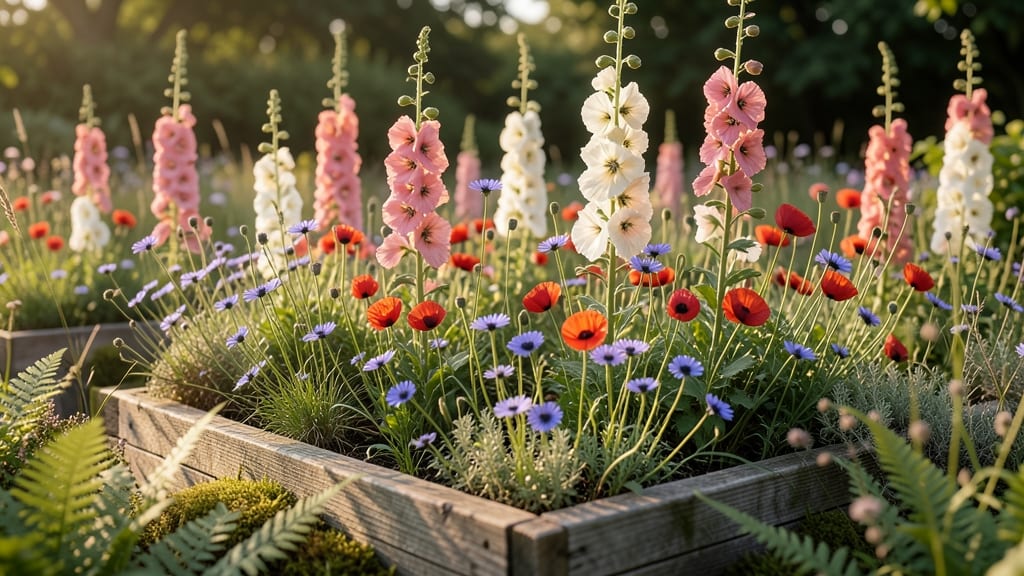
Step into a storybook garden with the cottage garden wildflower style, where rustic charm meets wildflower whimsy. This design blends hollyhocks, poppies, and cornflowers to create a lush, textured bed that feels like a hug from nature—ideal for gardeners who love romance and informality.
Plant tall hollyhocks (2-6 feet) as your backdrop, their spiky blooms adding vertical drama, while poppies and cornflowers spill across the front in soft waves. The mix attracts bees and lacewings while repelling pests naturally. For best results, sow seeds directly in full sun to partial shade and let them self-seed for a magical, ever-changing display.
Perfect for beginners or those with a soft spot for vintage gardens, this style thrives with minimal fuss—just water occasionally and let nature take its course. 🌷
Seasonal Succession Wildflower Planter
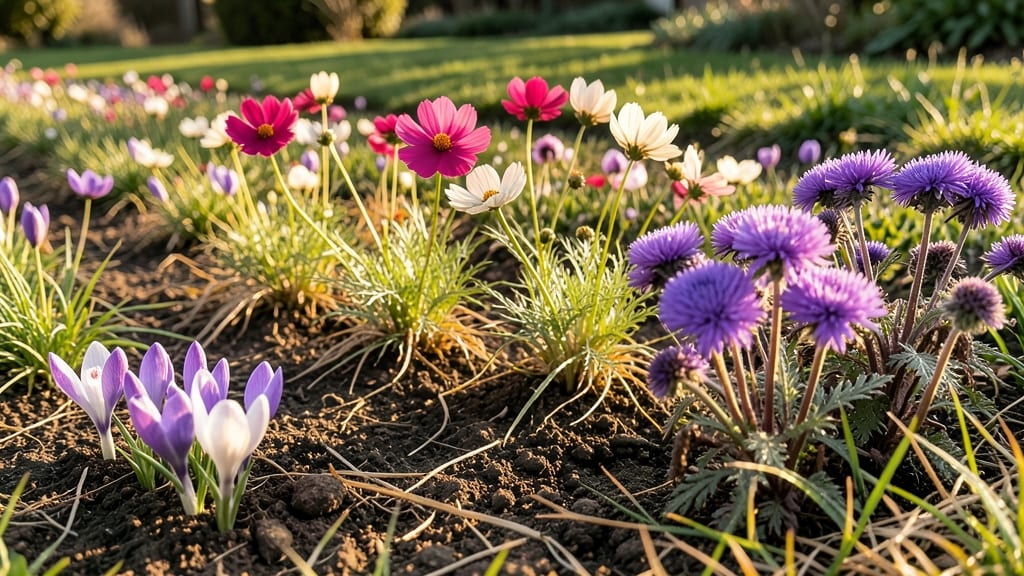
Tired of wildflower beds that fade into summer brownouts? A seasonal succession planter keeps your garden buzzing with color—and pollinators—from March through November without gaps. This clever design layers crocus for early spring, cosmos for summer, and asters for fall, ensuring no empty seasons.
Start by planting crocus bulbs in early autumn—they’ll pop up first, followed by self-seeding cosmos in late spring. By midsummer, remove faded cosmos stems to make room for aster seedlings, which will take over as temperatures cool. The key is strategic spacing: place taller cosmos at the back, medium-height asters in the middle, and low-growing crocus at the front for a seamless transition.
Perfect for urban balconies, small patios, or even as a centerpiece in your front yard, this planter proves you don’t need acres to support pollinators year-round. Plus, the minimal maintenance makes it ideal for busy gardeners. 🌻
Rock Garden Wildflower Nook
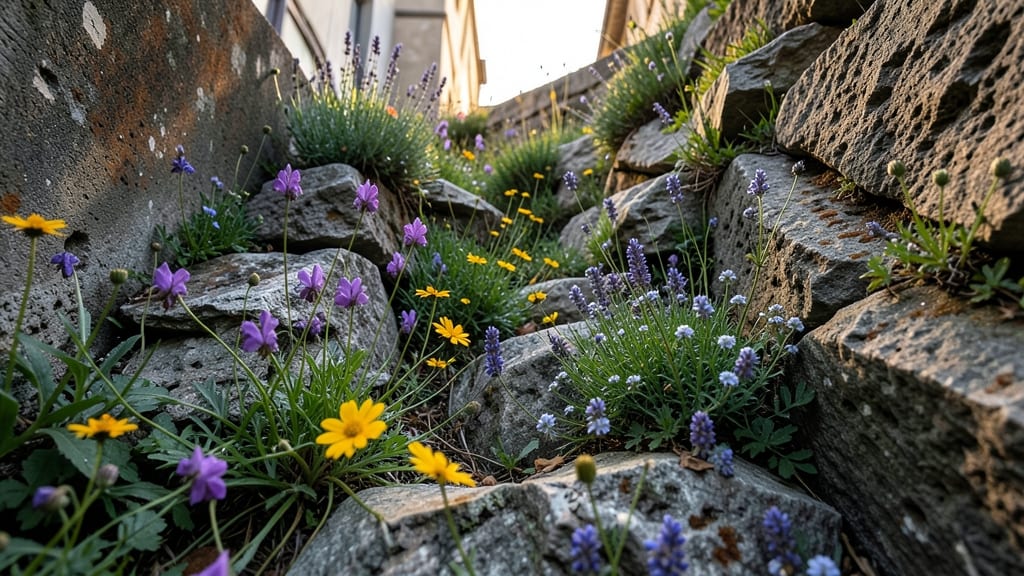
Turn even the trickiest urban corner into a thriving wildflower haven with a rock garden wildflower nook. This vertical design transforms rocky slopes, walls, or crevices into a pollinator paradise using crevice-loving wildflowers that flourish in tight spaces where traditional plants struggle.
Plant alpine phlox for delicate purple blooms, thyme for fragrant ground cover, and sedum for drought-resistant succulence. These plants thrive in well-draining rocky soil with just 3-4 hours of sun daily, making them perfect for balconies, patios, or rocky garden edges. Add a thin layer of gravel to retain moisture and deter weeds—no tilling required!
This design is ideal for urban gardeners with limited flat space or rocky terrain. It creates a miniature ecosystem that supports bees, butterflies, and beneficial insects while adding texture and color to small areas. 🌿
Wildflower Prairie Patch with Tall Grasses
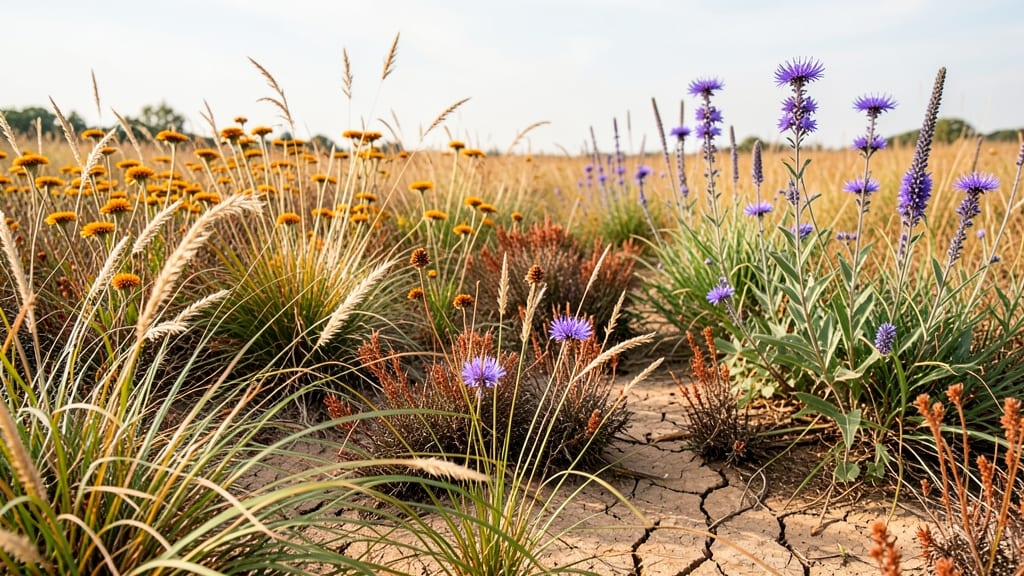
Step into a natural prairie oasis without the vast acreage—this textured wildflower patch mimics the wild beauty of the Midwest, where blazing star and goldenrod stand tall alongside swaying switchgrass and little bluestem. Unlike manicured beds, this design thrives on wild, untamed charm, offering late-season pollinators a critical food source when other flowers fade.
Start by grouping three-foot-tall grasses at the back for structure, then layer mid-height wildflowers like black-eyed Susan in the middle, and sprinkle low-growing coreopsis or partridge pea in front. Plant in full sun and let the grasses grow uncut through winter—their seed heads provide shelter for birds. This design requires zero mowing once established and blooms from July through October, when most gardens feel bare.
Perfect for gardeners who love low-maintenance drama, this patch works beautifully along fence lines, in large containers, or as a dramatic backdrop for vegetable gardens. Watch monarchs and bumblebees linger longer than in any other bed. ✨
Container Wildflower Garden for Balconies
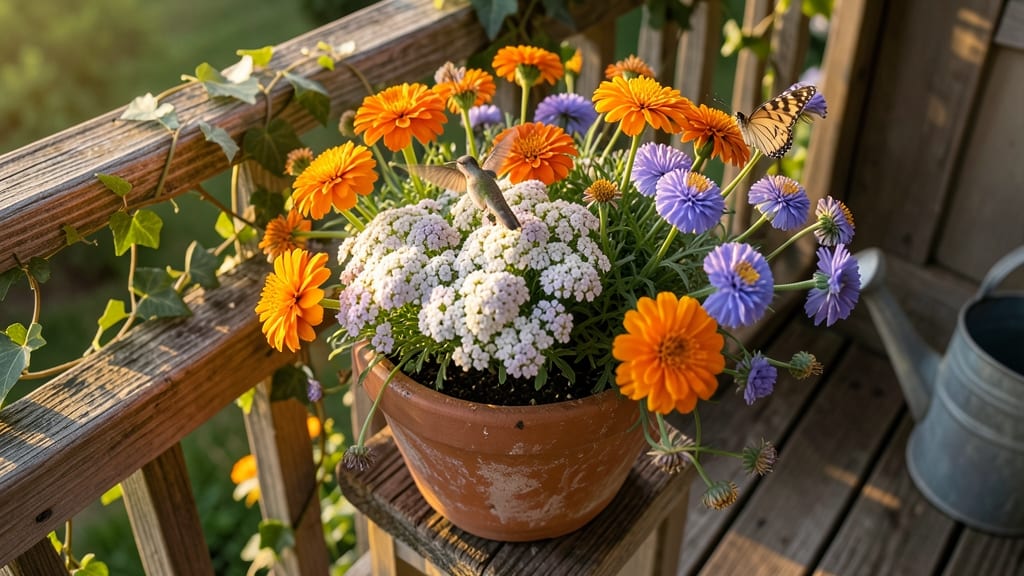
No yard? No problem! A container wildflower garden brings the buzzing beauty of wildflowers straight to your balcony or patio, proving that pollinator-friendly spaces aren’t just for large gardens. With the right mix of sweet alyssum, marigolds, and bachelor’s buttons, you can create a vibrant oasis that attracts bees, butterflies, and hummingbirds—all in a single large pot.
Start with a 12-18 inch deep container filled with well-draining potting mix, then layer your wildflowers by height—tall marigolds in the back, mid-height bachelor’s buttons in the middle, and trailing sweet alyssum cascading over the edges. Water deeply when the top inch of soil feels dry, and place your container where it gets at least 6 hours of sun daily. This design thrives with minimal maintenance, making it perfect for busy urban gardeners.
This approach is ideal for beginners or apartment dwellers who want to make an impact without sacrificing space. Watch your balcony transform into a tiny wildflower haven that supports local pollinators—one container at a time. 🌻
Native Wildflower Windbreak Border
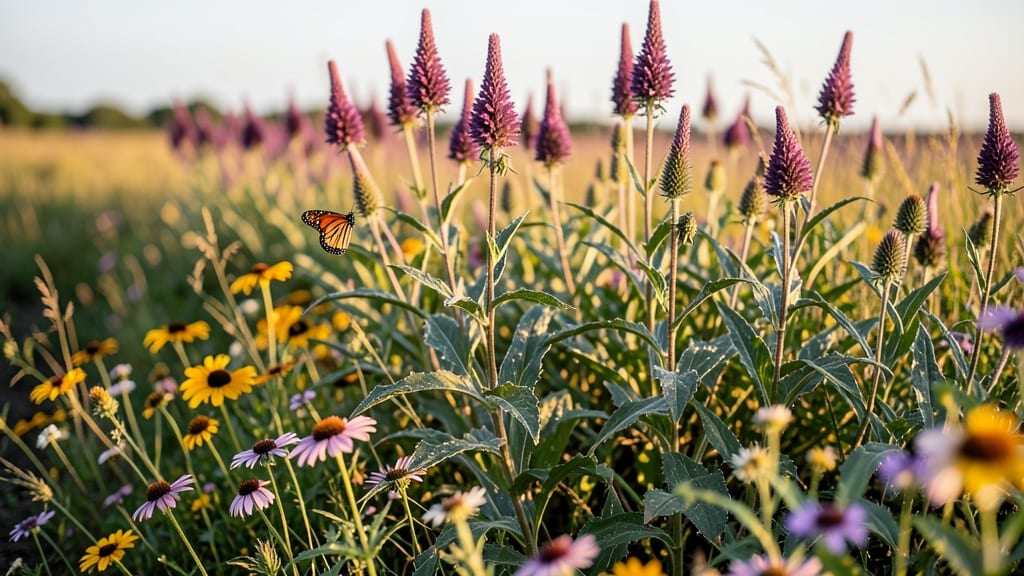
Tired of battling windblown debris while watching monarch butterflies bypass your garden? A native wildflower windbreak border solves both problems at once by creating a living barrier that filters harsh winds while fueling pollinators on their migration routes.
Plant Joe Pye weed (up to 6 feet tall) and giant hyssop (4-5 feet) in a linear arrangement along property edges, spacing plants 18-24 inches apart. These tall, clumping natives thrive in full sun to part shade and develop deep root systems that stabilize soil while their late-summer blooms provide nectar when few other flowers remain. Add switchgrass or little bluestem for vertical movement and texture.
Perfect for rural homesteads, farm edges, or large backyard perimeters, this design offers year-round benefits: winter wind protection, summer shade for smaller plants, and a monarch magnet during peak migration months. 🌟
Moon Garden with Night-Blooming Wildflowers

Transform your garden into a nocturnal paradise with a moon garden that thrives after dark. This enchanting bed features night-blooming wildflowers like fragrant evening primrose and delicate moonflower, which open their petals as the sun sets, drawing in moths, bats, and other evening pollinators.
Plant these flowers in partial shade to full sun, ensuring they receive at least 4-6 hours of sunlight daily for optimal blooming. Pair them with subtle solar-powered lights or soft string lights to highlight their silvery petals and create a magical ambiance. For extra allure, add scented night-blooming jasmine or four o’clocks to attract pollinators with their intoxicating fragrance.
Perfect for gardeners who love whimsical, low-maintenance designs, this bed is especially rewarding for those with late-night gardeners' itch or a passion for supporting nocturnal wildlife. 🌿