
Landscaping
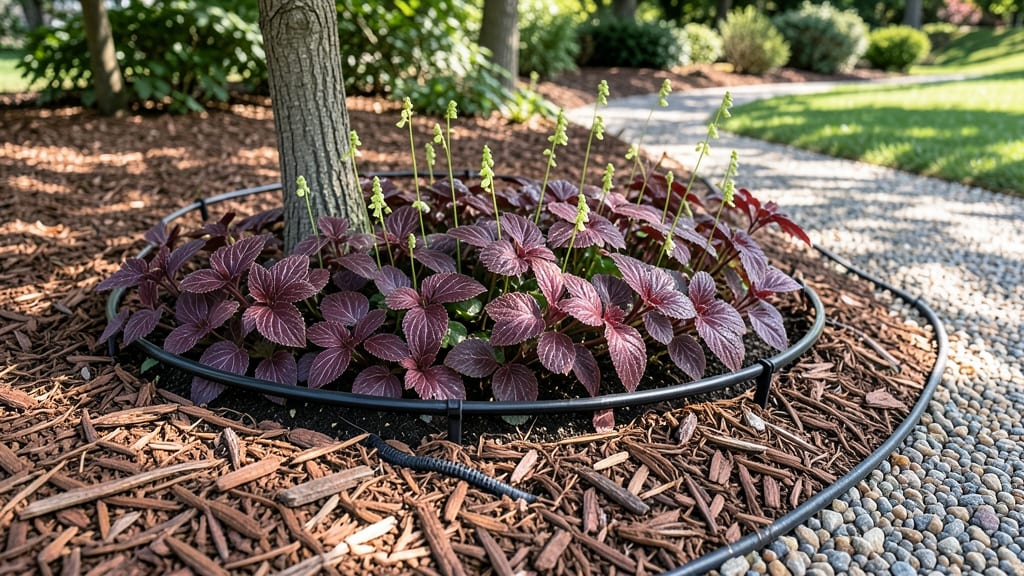
Transforming spaces with flower bed ideas around trees turns ordinary yards into sun-dappled gardens that feel like secret hideaways. 🌿 The trick is working with—not against—what nature already provides: dappled shade, root competition, and that magical interplay of light and shadow.
I’ve designed beds that thrive under oaks, maples, and even young fruit trees, using layers of shade-tolerant perennials, ground covers, and seasonal accents that bloom when the tree’s leaves are sparse.
Start with the tree’s needs: keep plants at least 3-4 feet from the trunk to avoid root damage, and choose mulch that retains moisture without smothering roots. For shade-loving stars, try heuchera, hostas, and astilbes—they handle low light beautifully.
Add height with ornamental grasses or ferns, then fill gaps with ajuga or creeping phlox for year-round interest. The key is mixing textures and colors so the bed feels lush even when the tree’s leaves block sunlight.
You’ll end up with a garden that changes with the seasons: spring bulbs popping through leaf litter, summer blooms in the filtered light, and autumn foliage that complements the tree’s colors. Low-maintenance doesn’t mean boring—think wildflower drifts, mossy ground covers, or even small shrubs like hydrangeas for structure.
The result? A space that feels intentional, not forced, where every plant has its own story to tell.
Works for any yard size, from a single shade tree to a grove. Here’s how to adapt the look to your style—whether you want a cottage-core charm, a modern minimalist vibe, or a wild, natural meadow under the branches.
📚 In This Guide
- What you need
- Instructions
- Tips and common mistakes
- Wrapping up and next steps
What you need
- ● Soil amendments: Compost (2–3 bags, 40–60 lbs each)
- ● Peat moss or coconut coir (1–2 bags, 4–6 cubic feet)
- ● Organic mulch (shredded bark or pine straw, 2–3 bags, 2–3 cubic feet)
- ● Plants (choose based on sunlight and tree type): Perennials (e.g., hostas, ferns, or astilbes—3–5 plants)
- ● Bulbs (e.g., daffodils or tulips—10–15 bulbs)
- ● Ground covers (e.g., creeping thyme or ajuga—5–10 plants)
- ● Shrubs (e.g., hydrangeas or azaleas—1–2 plants, if desired)
- ● Miscellaneous: Garden gloves (1 pair)
- ● Watering can or hose with a gentle spray nozzle
- ● Required: Garden trowel (for planting small bulbs)
- ● Hand pruners (for trimming or shaping plants)
- ● Rake (for leveling soil)
- ● Wheelbarrow or large bucket (for hauling soil/amendments)
- ○ Optional (but helpful!): Edging tool (to define the flower bed’s border)
- ● Kneeling pad (for comfort during planting)
- ● Soil pH test kit (to ensure optimal growing conditions)
- ● Decorative stones or edging (e.g., metal or plastic, for a polished look)
- ● Clear the area around the tree (remove weeds, debris, or old mulch within a 3–4 foot radius).
- ● Check the tree’s root zone—avoid planting too close to the trunk (keep at least 12–18 inches away).
- ● Assess sunlight exposure (full sun, partial shade, or full shade) to pick the right plants.
- ● Pro tip: If your tree has shallow roots (like maples or oaks), use lightweight mulch to avoid compacting the soil! 🌡️
Designing sun-dappled flower beds that enhance tree canopies
Here’s how to create layered, low-maintenance beds that highlight a tree’s natural beauty while thriving in its filtered light.
🌿 Step 1: Assess Light and Soil Conditions
First, observe your tree’s canopy throughout the day. Note where direct sun fades into dappled shade—this determines your plant choices. Most trees cast morning sun and afternoon shade, creating cooler, moister conditions near the trunk. Test the soil by digging a 6-inch-deep hole around the tree’s dripline (the edge of its canopy). If it’s compacted or dry, amend with 2-3 inches of compost and 1 inch of perlite to improve drainage.
I always sketch a rough outline of the bed, marking the tree’s root flare (where the trunk widens) as the center. This ensures you avoid damaging roots while creating a balanced design. Use a 12-inch measuring tape to mark a 3-foot-wide band around the tree—this gives plants enough room to grow without competing directly with the tree’s roots.
🪴 Step 2: Layer Plants for Height and Texture
Start with ground covers like creeping phlox or ajuga for the front layer—they’ll suppress weeds and retain moisture. Next, add mid-height perennials like astilbe or ferns (both tolerate shade) in 12-inch-deep holes, spacing them 18-24 inches apart. For the back layer, choose sun-loving shrubs like hydrangeas or abelia, planting them 2-3 feet from the tree’s trunk to avoid root competition.
Here’s the thing—mix leaf textures for visual interest. Pair broad-leaved hostas with delicate ferns and add a 3-inch-tall ornamental grass like carex for movement. I always include at least one spring bloomer (like bleeding heart) and one late-season color (like Japanese anemone) to ensure year-round interest. Mulch with 3 inches of shredded bark to protect roots and retain moisture.
✂️ Step 3: Prune and Maintain for Long-Term Health
After planting, prune any tree branches that overhang the bed by ⅓ of their length to improve airflow and reduce shade. Use clean, sharp pruners to make cuts just outside the branch collar (the swollen area where the branch meets the trunk). Remove all pruned material immediately to prevent disease. Water deeply once weekly for the first 6 weeks, then taper to every 2 weeks once plants establish.
In late winter, remove dead foliage and add a 1-inch layer of compost around the bed’s perimeter. This feeds the soil without smothering plants. Watch for mushroom growth on mulch—this is normal and harmless, but if you see black spots on leaves, treat with neem oil to prevent fungal spread. A well-designed bed under a tree should require minimal pruning beyond seasonal cleanup.
☀️ Step 4: Adjust for Seasonal Light Changes
Trees shed leaves in fall, so your bed will receive more direct sun. If you notice leaf scorch (brown edges) on shade-loving plants, move them to a slightly shadier spot or provide afternoon shade with a 50% shade cloth during peak sun hours. Conversely, if spring brings more shade than expected, add sun-tolerant annuals like impatiens to brighten the space temporarily.
I like to rotate a few plants annually—swap out finicky perennials for hardier varieties if needed. For example, replace a struggling hosta with a heuchera (coral bells), which handles shade better. The key is flexibility: a tree’s light patterns shift with age, so your bed should evolve with it. Take notes each season to refine your design over time.
Tips & tricks for perfect sun-dappled flower beds
These simple strategies will help you create a thriving, low-maintenance garden space that complements your tree's natural beauty.
Light Mapping is Everything: I can't stress enough how critical it is to observe your tree's canopy throughout the day. Use a simple app like Sun Surveyor to track light patterns for at least 24 hours before planting. This helps you determine exactly where dappled shade transitions to full sun. The key is planting shade-tolerant species like ferns and hostas closer to the trunk where morning sun is filtered, while sun-loving plants like hydrangeas get positioned toward the outer edges where afternoon light reaches. This precise placement prevents leaf scorch and ensures every plant thrives in its perfect microclimate.
Root Zone Respect: When marking your 3-foot-wide planting band, use a garden flag at the tree's dripline to avoid disturbing roots. The root flare—the swollen area where the trunk meets the soil—should never be disturbed. I've seen many gardeners accidentally damage these critical roots when digging, which can stress the tree. Instead, use a soil knife to carefully loosen the soil around the edge of your marked area, working no deeper than 6 inches. This preserves the tree's natural support system while creating space for your plants.
Texture Layering Technique: The secret to visual impact lies in contrasting textures. I always pair broad-leaved plants like hostas with delicate ferns and add fine-textured ornamental grasses like carex for movement. For height variation, place taller plants like astilbe toward the back and shorter ground covers like ajuga in front. This creates depth perception that makes your bed appear larger and more dynamic. Pro tip: Include at least one plant with variegated foliage—like a golden hosta—to add instant visual interest that complements the tree's natural patterns.
Seasonal Flexibility Strategy: Design your bed with interchangeable elements to adapt to changing light conditions. In fall, when trees shed leaves, move shade-loving plants slightly deeper into the bed or use temporary shade cloths during peak afternoon sun. For spring adjustments, I keep a few sun-tolerant annuals like impatiens on hand to brighten areas that receive more light. This flexibility ensures your design evolves with your tree's natural cycles rather than fighting against them. Think of it as creating a living tapestry that responds to nature's rhythms.
Pro Tips for Flower Bed Ideas Around Trees
- These simple strategies will help you create a thriving, low-maintenance garden space that complements your tree's natural beauty.
- Light Mapping is Everything: I can't stress enough how critical it is to observe your tree's canopy throughout the day.
- Root Zone Respect: When marking your 3-foot-wide planting band, use a garden flag at the tree's dripline to avoid disturbing roots.
Frequently asked questions
Got questions about creating stunning flower beds around trees? You’re not alone! Here are some of the most common concerns—and their solutions—to help you design with confidence.
What’s the best distance to plant flowers around a tree?
Keep flowers at least 2–3 feet from the tree trunk to avoid damaging roots or bark. For larger trees, extend this to 4–6 feet. Mulch (2–4 inches deep) between the tree and plants to retain moisture and suppress weeds—just avoid piling it directly against the trunk.
When is the ideal time to plant flowers around trees?
Spring or fall are the best times—when soil is workable and temperatures are mild. Avoid planting in extreme heat or cold, which stresses roots. If planting in summer, water deeply daily for the first 2 weeks to help new roots establish.
Can I use ground covers instead of flowers?
Ground covers like ajuga, creeping thyme, or ivy are low-maintenance alternatives that suppress weeds and add texture. They’re perfect for shady spots or if you prefer a lush, green look. Just ensure they won’t compete aggressively with the tree’s roots.
Why are my flowers dying near the tree?
Common culprits include root competition, poor drainage, or over-mulching. Check for:
- Compaction: Loosen soil gently to improve aeration.
- Overwatering: Trees have deep roots—water flowers separately.
- Fungal issues: Space plants for airflow and avoid wetting foliage.
How do I choose flowers that thrive in dappled shade?
Opt for shade-tolerant perennials like heuchera, hostas, or astilbe, or annuals such as impatiens or fuchsia. For color, try bleeding heart, lungwort, or Japanese forest grass. Group plants by sunlight needs—place sun-lovers near the tree’s edge and shade-tolerant varieties closer to the trunk.
Wrapping up and next steps
Transforming the space around your trees into a vibrant flower bed isn’t just about aesthetics—it’s about celebrating nature’s harmony. Whether you’re drawn to sun-loving perennials, shade-tolerant annuals, or textured foliage, the right design will elevate your yard while supporting local ecosystems.
Start small, experiment with layers, and let your creativity bloom!
Ready to get your hands dirty? Sketch a rough layout of your tree’s canopy and surrounding area, then gather plants that thrive in its unique conditions. Your future garden will thank you! 🌿✨