
Planting
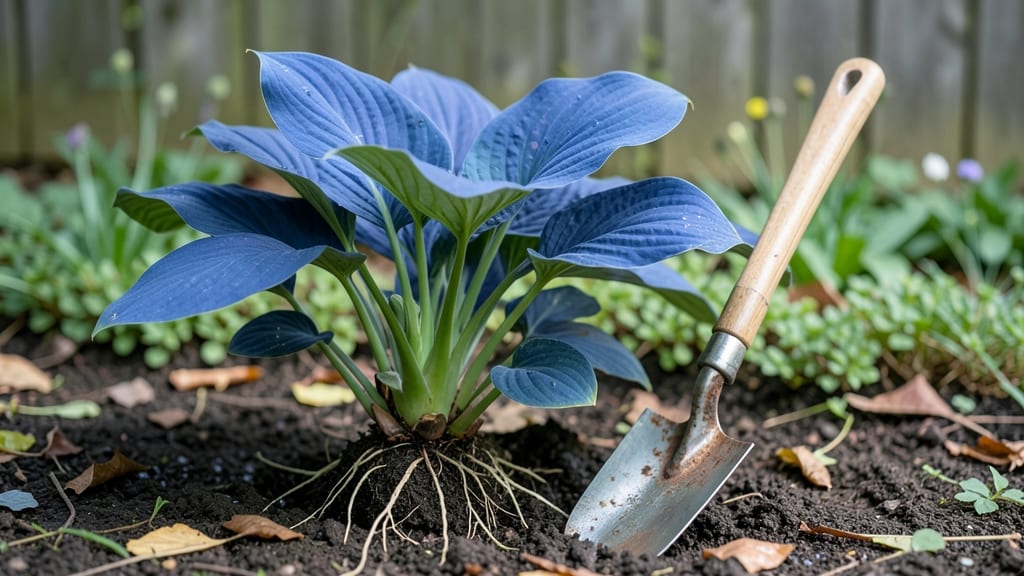
To transplant perennials successfully, aim for soil temperatures between 60-70°F while avoiding frost, with early spring or late summer after flowering being the ideal windows. Early fall poses risks in colder regions because roots struggle to establish before winter dormancy.
Timing matters because perennials need active root growth to recover from transplanting. 🌱 The 60-70°F range ensures roots absorb moisture efficiently while avoiding stress from extreme cold or heat.
In colder zones, late summer gives plants 4-6 weeks of warm weather to strengthen before winter, while early spring lets them capitalize on spring rains. I’ve found that dividing perennials in late summer—after they’ve finished blooming—reduces shock because the plant’s energy shifts to root regrowth rather than flower production.
Your location plays a big role: in USDA Zone 5, aim for late May to early June, while Zone 9 gardeners can transplant as late as September. Always check local frost dates and monitor soil temps with a thermometer—roots need consistent warmth to thrive.
Mulching after transplanting helps retain moisture and stabilize temperatures, which is especially critical in hot or dry climates.
💡 In This Article
- Optimal Soil Temperature Ranges for Perennial Transplants
- Seasonal Transplanting Checklist for Perennials
Optimal soil temperature ranges for perennial transplants
Soil temperature directly controls root activity in perennials because roots become dormant below 50°F and overheat above 80°F. The 60-70°F sweet spot activates enzymes that break down starches into sugars, fueling new root growth.
At these temperatures, roots absorb water and nutrients 30-50% more efficiently than in cooler soil, which is why transplant shock rates drop dramatically. Think of it like a car engine: cold soil stalls growth, while hot soil causes the roots to "overheat" and stop functioning properly.
Cold stress occurs when soil drops below 55°F, triggering a survival response where roots stop expanding and may even rot if moisture lingers. In USDA Zone 5, this means early spring transplants risk failure if nights dip below freezing.
Conversely, soil above 85°F causes roots to dry out rapidly, as moisture evaporates 2-3 times faster than in cooler conditions. This is why late summer transplants in hot climates (like Zone 9) require extra irrigation and afternoon shade—roots simply can't keep up with water demand during peak heat.
The dormant vs. active growth phases explain why timing matters. Perennials enter dormancy when soil temps drop below 50°F, halting root division entirely. This is why early fall transplants in cold regions fail: roots can't establish before winter.
Conversely, late summer transplants work because the plant's energy shifts from flowering to root regrowth as days shorten. The key is catching that 4-6 week window after blooming when soil stays warm but nights cool slightly—a perfect balance for recovery.
Microclimates add another layer of complexity. A south-facing slope in Zone 6 might hit 75°F while a north-facing garden stays at 65°F—a 10°F difference that affects transplant success. Always check soil temps at 4-inch depth (where most roots grow) using a digital thermometer.
Morning readings are most accurate since afternoon sun can skew results by 5-10°F. Pro tip: Mulch with 2-3 inches of straw to stabilize temperatures and retain moisture.
Regional examples show the impact clearly: In Zone 3, late August transplants give plants 6 weeks of warm soil before frost, while Zone 10 gardeners can transplant until November.
The rule of thumb is to leave 4-6 weeks of warm soil before the first expected frost—roots need this time to regenerate. For instance, hostas transplanted in Zone 5 after June 15 often fail because soil temps drop below 60°F by early August, cutting the growth window short.
What most gardeners overlook is how soil texture affects temperature. Sandy soil warms faster but drains quicker, while clay holds moisture but stays cold longer. Amending with compost improves both water retention and temperature stability.
I've seen peonies transplanted into amended soil establish 2-3 weeks faster than in unamended beds because the roots encounter ideal conditions immediately. 🌱