
Plants
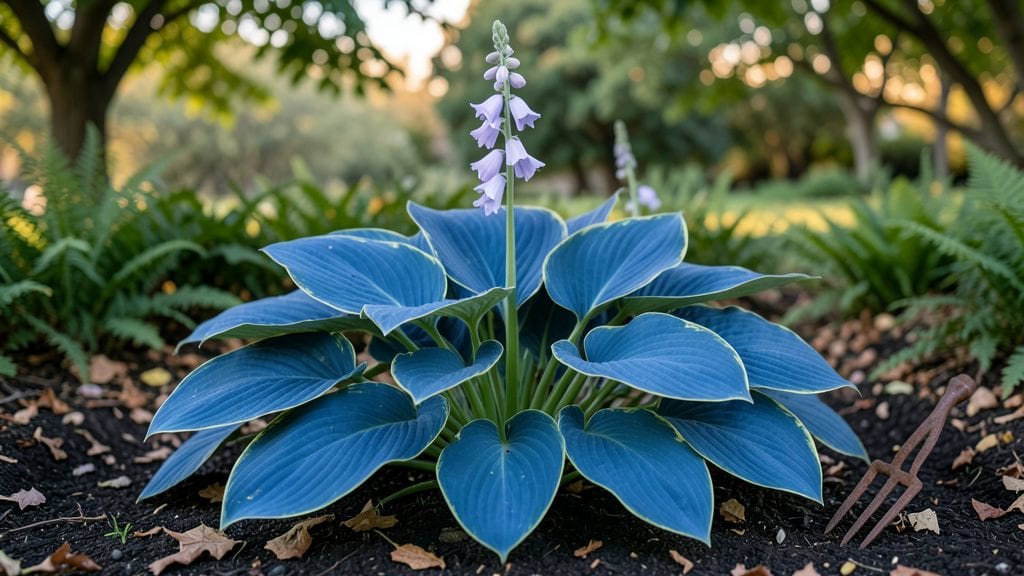
Perennials stand out because they don't just survive seasonal changes—they rebuild themselves each year from their core root systems. 🌱 This persistence means they often require less effort once established, unlike annuals that need replanting every spring.
Think of them as the marathon runners of the plant world: peonies, lavender, and coneflowers all return stronger each season, rewarding gardeners with years of beauty and minimal upkeep.
What truly sets them apart is their adaptability. Many perennials develop specialized storage organs like bulbs or rhizomes that act as energy reserves during dormancy. This biological trick allows them to push through tough conditions, emerging year after year with renewed vigor.
Their deep root systems also make them more drought-resistant once matured, which is why they're perfect for eco-conscious landscaping.
💡 In This Article
- How Perennial Plants Survive Through Seasons
- Choosing Perennials for Your Garden Climate
How perennial plants survive through seasons
The secret to a perennial's longevity lies in its root system, which can extend 3-5 feet deep in mature plants like peonies. These roots act as both anchors and energy storage units, storing starches and sugars during dormancy.
Unlike annuals that complete their life cycle in one season, perennials allocate resources to underground structures that persist through harsh conditions. For example, hostas develop thick, fleshy rhizomes that store enough nutrients to regenerate foliage each spring, even after a 20°F winter freeze.
Dormancy is where perennials truly shine. During winter, they enter a state of reduced metabolic activity, often shedding leaves or going completely underground. Lavender, for instance, survives by converting its leaves into protective scales and storing water in its woody stems.
This adaptation allows it to withstand 10-15°F temperatures while conserving energy. The key difference from biennials (which die after flowering) is that perennials maintain a viable root crown year-round, ready to regrow when conditions improve.
Seasonal adaptations vary by plant type. Bulbs like tulips store energy in modified stems (the bulb itself), while herbaceous perennials like coneflowers rely on fibrous roots. Woody perennials such as roses develop thick bark that insulates their vascular system.
What's fascinating is how these adaptations align with climate zones—perennials in colder regions often have deeper roots to access groundwater, while those in Mediterranean climates may prioritize drought-resistant foliage.
Here's what most gardeners don't realize: perennials actually improve with age. Their root systems expand each year, creating a more extensive network that makes them more resilient to environmental stresses.
A 5-year-old peony plant can have roots spanning 2-3 feet wide, compared to just 6 inches in a young specimen. This growth explains why established perennials require less watering and care—they've essentially built their own underground ecosystem.
Consider the contrast with annuals: a sunflower completes its entire life cycle in 90-120 days, while a black-eyed Susan perennial may live for 10+ years. The trade-off is that perennials often have slower initial growth as they focus on root development.
This biological strategy pays off in the long run, though, as they become self-sustaining once mature. The result? A garden that requires less replanting and more enjoying.
What truly makes perennials remarkable is their ability to time their growth cycles with environmental cues. Many detect day length changes, triggering dormancy before the first frost. Others, like spring ephemerals (e.g., bloodroot), bloom early to take advantage of sunlight before trees leaf out.
This precision is what allows them to coexist with annuals and biennials while maintaining their dominance in perennial gardens.