
Flowers
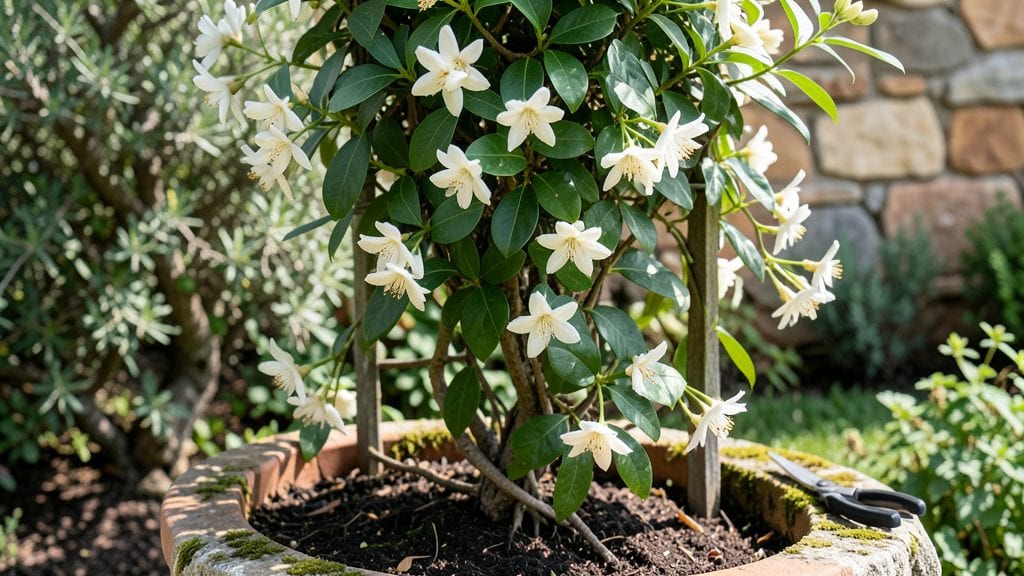
My jasmine flower perennial has become the star of my garden, filling summer evenings with a sweet, intoxicating scent that draws hummingbirds and neighbors alike.
The key to those reliable blooms every year lies in choosing the right variety—winter jasmine for early color, star jasmine for vigorous growth, or the classic Arabian jasmine for classic fragrance.
Each thrives in slightly different conditions, but all share one thing: they reward patience with fragrant, repeat blooms that transform any garden into a sensory paradise.
You’ll need well-draining soil, at least 6 hours of sunlight daily, and a trellis or sturdy support for climbing varieties—though some compact types like star jasmine grow beautifully in containers. The real secret?
Planting in spring or early fall when temperatures are mild, giving roots time to establish before summer heat or winter cold sets in. Most gardeners overwater, but jasmine actually prefers slightly dry soil once established—just keep it moist for the first few weeks after planting.
By midsummer, you’ll be rewarded with clusters of star-shaped blooms that perfume the air at dusk. The vines themselves are ornamental, with glossy leaves that add texture to any garden bed or trellis.
Prune lightly after flowering to encourage bushier growth, and in colder climates, protect tender varieties with mulch or a frost blanket. The fragrance alone makes it worth the effort, but the ornamental value keeps it in gardens year-round.
Here’s the thing—jasmine isn’t just for climbers. Dwarf varieties work in window boxes, while sprawling types make stunning ground covers. Whether you’re dealing with pests (neem oil works wonders) or slow growth (check your sunlight exposure), this guide covers the essentials to keep your jasmine thriving.
Let’s get those roots in the ground and those blooms in the air!
📚 In This Guide
- What you need
- Instructions
- Tips and common mistakes
- Wrapping up and next steps
What you need
- ● Jasmine plants: Choose between: 1–3 Jasminum officinale (common jasmine) or Jasminum sambac (Arabian jasmine) nursery plants (mature size: 3–6 ft tall).
- ● OR 50–100 jasmine seeds (slower to establish but budget-friendly).
- ● OR 3–5 healthy jasmine cuttings (4–6 inches long, with nodes).
- ● Well-draining potting mix: 1–2 bags (5–10 cubic feet) of a blend like 50% garden soil + 30% perlite + 20% compost.
- ● Containers (if not planting in-ground): 1–2 large pots (12–18 inches deep) with drainage holes for each plant.
- ● OR 1 raised bed (minimum 12" deep x 24" wide).
- ● Fertilizer: 1 lb of balanced granular fertilizer (10-10-10 or 20-20-20).
- ● OR 1 bottle of liquid fertilizer (e.g., fish emulsion or seaweed extract).
- ● Mulch: 2–3 cubic feet of organic mulch (e.g., shredded bark or straw).
- ● Garden trowel (for transplanting seedlings or cuttings).
- ● Pruning shears (sterilized with rubbing alcohol).
- ● Watering can or hose with a gentle spray nozzle.
- ● Gloves (to protect hands from thorns, especially on Jasminum grandiflorum).
- ○ pH testing kit (optional but helpful—jasmine thrives in 6.0–7.0 pH).
- ● Support structure: 1–2 trellises, stakes, or arches (for climbing varieties like Jasminum officinale).
- ● Twine or garden ties (if using stakes).
- ● Sunlight: A spot with 6–8 hours of full sun daily (partial shade in hot climates).
- ● Climate: USDA Hardiness Zones 7–10 (jasmine is tender in colder zones; grow in containers for overwintering).
- ● Water source: Consistent access to water (jasmine dislikes soggy roots but needs regular moisture).
- ● Patience: Seeds take 6–12 months to bloom; cuttings/transplants may flower in 1–2 years.
- ● 🌡️ Warmth boost: Soak seeds in warm water for 24 hours before planting to speed germination.
- ● ✨ Fragrance hack: Plant near windows or patios to enjoy the intoxicating scent at night!
- ● 🔥 Thorn warning: Wear gloves when handling Jasminum grandiflorum—its thorns are sharp!
Step-by-Step guide to planting and caring for jasmine perennials
Here’s how to establish fragrant jasmine that thrives for years with minimal fuss.
Choose the Right Location and Soil
Jasmine thrives in well-draining soil with a slightly acidic to neutral pH (6.0–7.0). Before planting, amend heavy or clay soil with 2–3 inches of organic compost to improve aeration and fertility. Avoid low-lying spots where cold air pools—jasmine is tender and won’t survive frost.
Select a site with partial shade to full sun, depending on your climate. In hotter regions, morning sun with afternoon shade prevents leaf scorch. Test the soil’s moisture retention by digging a 6-inch hole—if water pools after 30 minutes, the area is too soggy. Jasmine roots rot easily in waterlogged conditions, so raised beds or slopes improve drainage.
Plant Bare-Root or Container-Grown Jasmine
For bare-root plants, soak the roots in lukewarm water for 1–2 hours before handling to revive them. Dig a hole twice as wide as the root ball but only as deep as the plant’s topmost roots. This prevents burying the stem, which can cause rot.
If using container-grown jasmine, loosen the roots gently along the edges of the pot to encourage outward growth. Place the plant in the hole, backfill with native soil mixed with 1 cup of compost, and tamp lightly to remove air pockets. Water deeply until moisture reaches 6 inches down—this settles the soil and eliminates gaps.
Water and Mulch for Establishment
Keep the soil consistently moist for the first 4–6 weeks after planting, but avoid soggy conditions. Water deeply every 2–3 days until new growth appears, then taper to once weekly once established. Jasmine’s deep roots signal when it’s thirsty—wilting leaves mean it’s time to water.
Apply 2–3 inches of mulch (such as shredded bark or pine straw) around the base, keeping it 3 inches away from the stem. Mulch conserves moisture, suppresses weeds, and regulates soil temperature. Refresh the mulch layer annually in early spring to maintain protection.
Prune and Train for Bushier Growth
Prune jasmine in early spring before new growth begins. Remove dead or crossing branches first, then trim back overgrown stems by one-third to encourage branching. Cut just above a leaf node at a 45-degree angle to prevent water pooling.
For climbing varieties, install a trellis or arbor within 2–3 feet of the plant at planting time. Guide vines along the structure as they grow, tying them loosely with soft twine. Avoid heavy pruning in late summer—this reduces next year’s blooms. Fertilize lightly in spring with a balanced 10-10-10 formula to support flowering.
Overwinter and Protect Tender Varieties
Most jasmine perennials (like Jasminum officinale) die back in winter but regrow from the roots. In colder climates (below 10°F), mound 4–6 inches of mulch around the base and cover with burlap or frost cloth if temperatures dip below 20°F. Remove protection in early spring once new shoots appear.
For tropical varieties (like Jasminum sambac), dig up container-grown plants and store them indoors in a cool, bright spot (50–60°F) during winter. Resume outdoor placement after the last frost when nighttime temperatures stay above 55°F. This prevents shock and ensures continuous blooming.
Tips & tricks for perfect jasmine flower perennial establishment
These essential strategies will help you avoid common pitfalls and ensure your jasmine thrives for years with minimal effort.
Soil Preparation Insight: When testing soil moisture in Step 1, dig your 6-inch hole in a location you've already chosen for planting. This gives you real-world data about drainage conditions at the exact spot where your jasmine will grow. If water pools after 30 minutes, consider creating a raised bed or amending the soil with additional organic matter like perlite or coarse sand to improve drainage.
Root Revival Technique: For bare-root plants in Step 2, the 1–2 hour soaking period is crucial—don't rush it. Place the roots in lukewarm water and ensure they're fully submerged. You'll know they're ready when they look plump and flexible rather than shriveled. This hydration jumpstart helps compensate for transplant shock, which is particularly important for jasmine's delicate root system.
Watering Strategy: The 4–6 week establishment period in Step 3 requires consistency, but don't overwater. A good test is to stick your finger 2 inches into the soil—if it feels dry at that depth, it's time to water. Overwatering is the number one cause of root rot in jasmine, so always allow the top inch of soil to dry out between waterings. In hotter climates, you may need to water every 2 days rather than every 3 days during establishment.
Pruning Precision: When pruning in early spring (Step 4), focus on creating an open center rather than just reducing size. The one-third reduction should target inward-growing branches first, which improves air circulation and reduces disease risk. For climbing varieties, install your trellis or arbor immediately—delaying this can lead to tangled vines that are difficult to train later. Use soft twine that won't damage the delicate stems as they grow.
Pro Tips for Jasmine Flower Perennial
- These essential strategies will help you avoid common pitfalls and ensure your jasmine thrives for years with minimal effort.
- Soil Preparation Insight: When testing soil moisture in Step 1, dig your 6-inch hole in a location you've already chosen for planting.
- Root Revival Technique: For bare-root plants in Step 2, the 1–2 hour soaking period is crucial—don't rush it.
Frequently asked questions
Got questions about growing and caring for your jasmine flower perennial? You’re not alone! Here are some of the most common queries—plus quick, practical answers to keep your fragrant blooms thriving year after year.
How do I know if my jasmine is truly perennial in my climate?
Jasmine’s hardiness varies by variety. Jasminum officinale (common jasmine) thrives in USDA zones 6-9, while Jasminum sambac (Arabian jasmine) prefers zones 9-11. In colder zones, plant in containers for winter protection or mulch heavily. Check your local frost dates—jasmine hates freezing roots!
Can I grow jasmine from a cutting or do I need to buy a plant?
Yes! Take a 4-6 inch cutting from a healthy stem in spring or early summer. Remove lower leaves, dip in rooting hormone, and plant in moist potting mix. Keep humid (use a plastic bag) and place in bright, indirect light. Roots should form in 4-6 weeks. Pro tip: Water lightly to avoid rot—jasmine prefers damp, not soggy soil.
When is the best time to prune my jasmine for more blooms?
Prune right after flowering (late spring/early summer) to encourage bushier growth. Cut back 1/3 of the plant, focusing on dead, crossing, or overcrowded stems. Avoid heavy pruning in fall—jasmine sets buds for next year’s blooms in late summer. Warning: Never prune in winter; new growth is frost-sensitive!
Why aren’t my jasmine flowers opening, and how do I fix it?
Bud blast? Check these fixes:
- Too much shade: Jasmine needs 6+ hours of sunlight. Move to a sunnier spot.
- Overwatering: Let soil dry slightly between waterings. Yellow leaves = soggy roots!
- Nutrient deficiency: Feed with balanced fertilizer (10-10-10) in spring.
- Pests: Spider mites or aphids can stress plants. Spray with neem oil if you spot tiny webs or sticky residue.
What’s a low-maintenance jasmine alternative for busy gardeners?
If jasmine’s needs feel high-maintenance, try these fragrant perennials:
- Daphne: Cold-hardy (zones 5-8), blooms early spring, thrives in shade.
- Mock Orange (Philadelphus): Hardy (zones 4-8), drought-tolerant, white summer blooms.
- Abelia: Heat-tolerant (zones 6-9), blooms summer-fall, deer-resistant.
Wrapping up and next steps
Growing a jasmine flower perennial is a rewarding journey that fills your garden with intoxicating fragrance and beauty year after year! 🌸 Whether you're drawn to its elegant vines or the soothing scent it brings, this resilient plant is perfect for adding charm to patios, trellises, or even containers.
With the right care—sunlight, well-drained soil, and occasional pruning—your jasmine will thrive and reward you with lush blooms for seasons to come.
Ready to dive in? Start small—pick a sunny spot, gather your supplies, and plant your first jasmine cutting or bare-root plant today! Before you know it, your garden will be a fragrant paradise, and you’ll be the envy of every neighbor. Happy gardening! 🌿✨