
Flowers
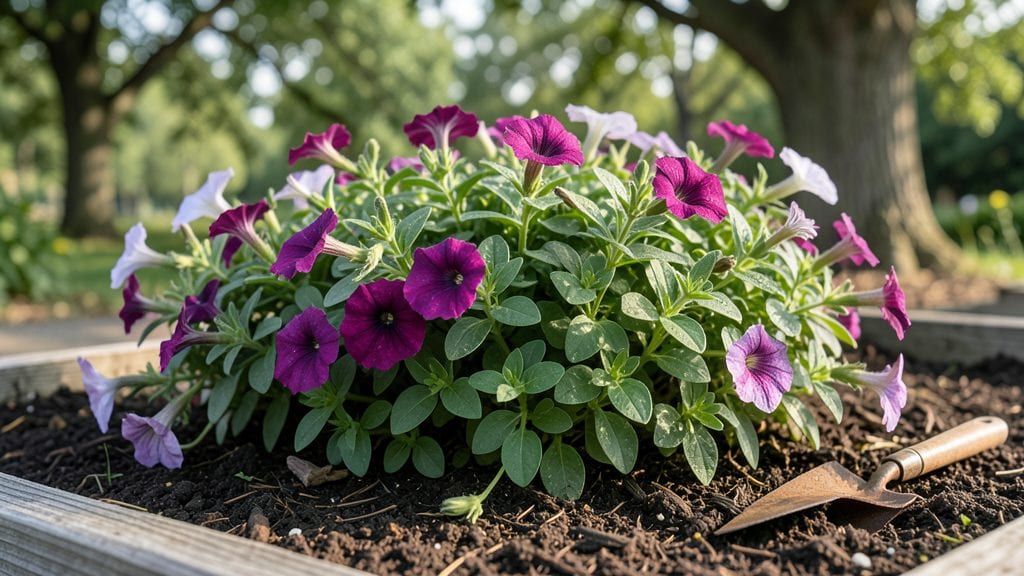
Wave petunias are classified as annuals because their growth cycle is tied to seasonal temperature changes.
Once frost hits, these plants prioritize seed production over survival, effectively shutting down their above-ground growth. 🌸 Unlike perennials that store energy in roots to regrow, wave petunias redirect all resources to flowering and seed development, which explains why they disappear after one season.
This biological quirk makes them perfect for summer containers but requires gardeners to plan for yearly replanting if they want continuous color.
What many don't realize is that their annual nature isn't a limitation—it's actually an advantage for gardeners in colder regions. Since they complete their lifecycle quickly, wave petunias deliver maximum blooms in a single season without the long-term commitment of perennials.
The key to treating them like perennials lies in proper care: consistent watering, balanced fertilization, and strategic pruning can extend their flowering period by up to 30%.
💡 In This Article
- Why Wave Petunias Die After One Season
- How to Extend Wave Petunia Blooms Like a Perennial
Why wave petunias die after one season
Wave petunias follow a hardwired biological program where their life cycle accelerates toward reproduction when temperatures drop below 50°F. This triggers a hormonal shift where the plant prioritizes seed production over vegetative growth—a survival strategy common among annuals in temperate climates.
Unlike perennials that store energy in deep root systems or underground tubers, wave petunias allocate nearly all their resources to flowering and seed development once they sense shortening daylight or cooler nights. 🌱 This is why you'll see them burst into color in spring but fade completely by fall, as their energy reserves are exhausted by the seed-making process.
The key difference lies in their root structure. Perennial plants like lavender or coneflowers develop extensive root systems that can survive winter dormancy, storing carbohydrates to regrow when conditions improve. Wave petunias, however, have a fibrous root system that doesn't store significant reserves.
When temperatures dip below 40°F, their cells begin to break down—a process called senescence—because their genetic programming tells them to "invest in the next generation" rather than their own longevity. This is why even well-established plants will suddenly wilt and die when frost arrives.
What makes this especially interesting is how wave petunias handle temperature changes differently than their perennial cousins. While perennials like hostas can enter a state of dormancy where metabolic processes slow dramatically, wave petunias don't have this adaptation.
Instead, they experience what botanists call "terminal flowering"—a final push of energy into producing seeds before their above-ground tissues die back completely.
This is why you'll often see them covered in seed pods by late summer, even while still producing flowers. 🌿 The plant is essentially "bet hedging," ensuring genetic continuity even if the parent plant doesn't survive the winter.
There's also a fascinating chemical process at play. As temperatures drop, wave petunias produce higher levels of ethylene—a plant hormone that triggers senescence (aging) and death in annuals.
This same hormone helps fruits ripen in tomatoes, but in wave petunias, it serves a different purpose: signaling the plant to shut down non-essential growth and focus on seed production. Perennials, meanwhile, have evolved mechanisms to regulate ethylene production, allowing them to remain dormant rather than die back completely.
One common misconception is that wave petunias die simply because of cold weather. While frost certainly accelerates their demise, the real trigger is the combination of temperature drops and shortening daylight hours. This dual signal tells the plant it's time to "wrap up" its life cycle.
In warmer climates where winters are mild (above 45°F), you might occasionally see wave petunias survive into a second year—but even then, they'll typically produce fewer flowers as their energy reserves become depleted from the first year's growth. 🌸 This is why they're classified as annuals: their life strategy is built around completing their cycle in one season rather than persisting year after year.