
Orchid Care
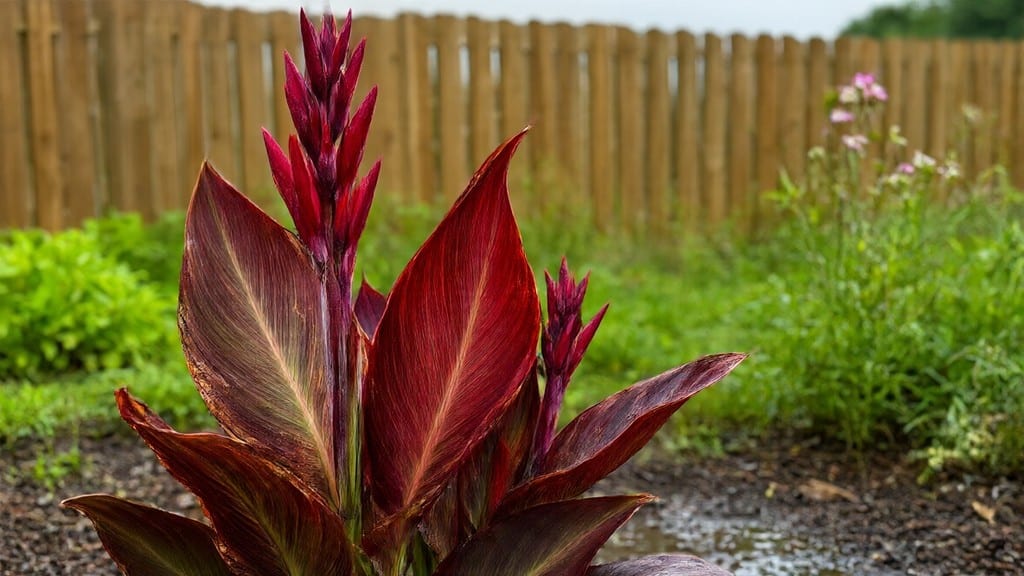
Water-loving perennials turn soggy spots into stunning focal points. 💚 I’ve designed wet garden zones that look better than ever—no more barren, muddy patches, just lush foliage and bold blooms that thrive where others drown.
These plants aren’t just survivors; they’re showstoppers with velvety leaves, dramatic plumes, and flowers that last from spring through fall.
The secret lies in their natural habitats—think marshes, pond edges, and rain-soaked meadows.
Plants like iris pseudacorus (yellow flag iris) bring golden spikes of blooms, while astilbe adds feathery pink or white plumes that dance in the breeze. Caltha palustris (marsh marigold) spills bright yellow cups across the soil, and ligularia delivers oversized, tropical-looking leaves that glow in shade.
These aren’t just wet-tolerant—they demand moisture to reach their full potential.
Imagine a rain garden where every season brings new interest: spring’s frothy blooms, summer’s glossy foliage, and autumn’s seed heads that catch the light. These perennials work in marginal pools, bog gardens, or even as edging for ponds, creating layers of texture and color that draw the eye.
The best part? They’re hardy enough to handle freeze-thaw cycles and still bounce back with vigor.
Pair them with grasses like carex or miscanthus for movement, and add hostas or ferns for contrast. The result? A wet garden that’s not just functional but downright luxurious—where the most challenging spots become your most prized features. Let’s bring that vision to life.
Why Wet-Loving Plants Struggle
Water-loving perennials thrive in soggy soil, but even the hardiest of them can face challenges when conditions aren’t just right—they’re perfect. Understanding the root causes behind their potential decline helps gardeners create ideal environments where these plants can flourish.
Here’s why these beauties might not be performing as expected, and how to fix it.
Water-loving perennials like Iris, Canna, or Lobelia need moisture, but excessive water—especially without proper drainage—can drown their roots. Here’s why:
- Oxygen Deprivation: Roots require oxygen to respire and absorb nutrients. Prolonged saturation (like in waterlogged clay soil) forces roots to suffocate, leading to root rot or fungal infections (e.g., Phytophthora). Action: Test soil drainage by digging a 12-inch hole, filling it with water, and timing how long it takes to drain. If it sits for >24 hours, amend with compost or sand.
- Toxic Buildup: Overwatering flushes away nutrients but also traps excess salts or chemicals (from fertilizers or tap water) in the root zone. Action: Use rainwater or distilled water and flush soil annually with a hose to leach out buildup.
- Weakened Structure: Some perennials (like Hostas) rely on sturdy stems to support their foliage. Chronic sogginess weakens cell walls, causing stems to flop or snap. Action: Stake plants early in the season or choose compact varieties for heavy clay.
Water-loving plants often prefer acidic to neutral soils (pH 5.0–7.0), but garden soil can swing wildly—especially in wet conditions. Here’s how pH plays a role:
| pH Level | Effect on Plants | Symptoms to Watch For |
|---|---|---|
| Below 5.0 (Too Acidic) | Aluminum and manganese become toxic, blocking nutrient uptake. | Yellowing leaves (chlorosis), stunted growth, brown root tips. |
| Above 7.5 (Too Alkaline) | Iron and phosphorus become unavailable, even if soil is wet. | Yellowing between leaf veins, purple stems, slow growth. |
Action: Test soil with a home pH kit or send a sample to a lab. Adjust with:
- Lime (to raise pH) for acidic soil.
- Elemental sulfur or pine needles (to lower pH) for alkaline soil.
Wet conditions create a paradise for pests and diseases that target water-loving perennials. Here’s what’s lurking:
- Fungal Infections:
- Powdery Mildew (white powdery spots) thrives in humid, stagnant air around plants like Astilbe.
- Leaf Spot (brown spots with yellow halos) attacks Iris and Daylilies in poorly spaced, wet foliage.
- Slugs and Snails: These nocturnal munchers adore tender perennials like Hosta or Lungwort in damp soil. Action: Set out beer traps or diatomaceous earth around plants, or handpick at dawn.
- Root Maggots: Larvae of root fly species burrow into roots of wet-soil perennials, causing wilting. Action: Use floating row covers early in the season or apply beneficial nematodes.
Water-loving perennials often struggle with temperature extremes, especially when combined with wet soil. Here’s how:
- Cold Soil Shock: In winter, soggy soil stays colder longer, risking freeze damage to roots of tender perennials like Canna or Tropical Ginger. Action: Mulch with straw or leaves (4–6 inches) to insulate roots.
- Heat Stress: In summer, wet soil can overheat when sunlight hits dark, moisture-rich earth, shocking roots. Action: Use light-colored mulch (gravel or pine bark) to reflect heat and improve drainage.
- Sudden Drought: After prolonged rain, a dry spell can shock plants accustomed to moisture. Action: Gradually reduce watering in late summer to harden off plants before dormancy.
Not all "water-loving" perennials are created equal—some prefer boggy conditions, while others tolerate occasional wetness. Mixing them up can lead to disappointment:
- True Bog Plants: Species like Marsh Marigold (Caltha palustris) or Pickerelweed (Pontederia cordata) require standing water or permanently moist soil. Planting them in dry spots causes wilting.
- Moisture-Tolerant but Not Dependent: Plants like Hosta or Astilbe prefer wet soil but can handle drier conditions if roots stay cool. Overpromising their needs (e.g., planting in full sun + wet soil) leads to leaf scorch. Action: Group plants by water needs:
- Bog Garden Section: For plants needing permanent moisture.
- Moisture-Loving Border: For perennials that tolerate wetness but aren’t dependent.
Revive Wet-Loving Plants with These Fixes
If your soggy-soil garden feels like a swamp for your water-loving perennials, don’t panic—there are simple, effective ways to bring them back to life while keeping them happy. Below, we’ll tackle the most common issues (like root rot, yellowing leaves, or stunted growth) with actionable solutions.
Think of this as your wetland garden first-aid kit—practical, fast, and designed to prevent future drama.
Root rot is the silent killer of perennials in overly moist soil, but you can reverse it with these steps:
- 🍳 Step 1: Check the Roots Gently dig around the base of the plant (be gentle—you’re not excavating a dinosaur!). Healthy roots are firm and white or tan; mushy, black, or smelly roots? That’s rot. Trim away the bad ones with sterilized scissors.
- 👨🍳 Step 2: Improve Drainage If your soil is like a sponge that never dries, amend it with:
- Organic matter: Mix in 2–3 inches of compost or well-rotted manure to loosen the soil.
- Perlite or sand: Add a handful to heavy clay soil to create air pockets.
- Raised beds or containers: For severe cases, relocate the plant to a spot with better drainage.
- 🥘 Step 3: Adjust Watering Water-loving perennials still need balance. Water deeply once a week (or when the top 1–2 inches of soil feel dry) instead of daily shallow soaks. Use a moisture meter if you’re unsure.
- ⏰ Step 4: Mulch Strategically Apply a 2–3 inch layer of organic mulch (like wood chips or straw) to regulate moisture. Avoid plastic mulch—it traps heat and worsens rot.
💡 Pro Tip: If your garden is chronically soggy, consider installing French drains or planting in slightly elevated areas.
Yellow leaves on water-loving perennials often signal too much love (i.e., overwatering). Here’s how to turn things around:
- 🔪 Step 1: Diagnose the Cause Yellow leaves can mean:
- Overwatering (leaves turn yellow and feel mushy).
- Nutrient deficiency (yellowing between veins).
- Fungal issues (spots or powdery residue).
- 🌡️ Step 2: Let the Soil Breathe If the soil is waterlogged, hold off on watering for 3–5 days to let it dry out. Stick your finger in the soil—if it’s damp past 2 inches deep, wait longer.
- 🎯 Step 3: Feed Smartly Waterlogged soil leaches nutrients. Give your perennials a boost with:
- Balanced fertilizer (10-10-10) in early spring.
- Epsom salt (for magnesium deficiency—look for yellowing between veins).
- Fish emulsion (for nitrogen, if leaves are pale green).
- ✨ Step 4: Boost Airflow Thin out crowded foliage or nearby plants to improve circulation. Fungal issues thrive in damp, stagnant air.
💡 Pro Tip: If yellowing persists, test your soil’s pH. Water-loving perennials like Iris or Canna prefer slightly acidic to neutral soil (pH 6.0–7.0). Adjust with lime (to raise pH) or sulfur (to lower it).
Prevention is the best cure. Use these habits to keep your wetland garden lush without the drama:
- 🌱 Choose the Right Plants Not all perennials are equal in soggy soil. Opt for native wetland species like:
- Swamp milkweed (Asclepias incarnata)
- Blue flag iris (Iris versicolor)
- Sweet flag (Acorus calamus)
- Marsh marigold (Caltha palustris)
- 💪 Build Better Soil Amend heavy clay or compacted soil with:
- Peat moss (for acid-loving plants).
- Coco coir (sustainable alternative to peat).
- Biochar (improves drainage and microbial life).
- 🚰 Install Drainage Solutions For problem areas:
- Create a swale (a shallow trench) to redirect water away from plant roots.
- Use gravel or crushed stone in containers for plants like Pogonia or Sarracenia.
- Plant in bog gardens with a mix of soil and sphagnum moss.
- 📅 Seasonal Check-Ups
| Season | Task |
|---|---|
| Spring | Test soil moisture, fertilize, and prune dead growth. |
| Summer | Monitor for pests (slugs love damp soil!) and mulch to retain moisture. |
| Fall | Add compost and plant cold-hardy wetland perennials. |
| Winter | Check for ice dams or compacted snow around plants. |
With these fixes, your water-loving perennials will go from struggling to showstopping. The key? Balance—just like Goldilocks, your plants need soil that’s just right—not too dry, not too soggy, but perfectly wet-friendly.
Frequently asked questions about water-loving perennials
Can I grow water-loving perennials in containers?
Many moisture-loving plants like iris pseudacorus or astilbe thrive in containers with proper drainage. Use a mix of 50% potting soil and 50% peat moss or coco coir, and add gravel or perlite at the bottom. Water when the top 1-2 inches feel dry, and place containers where they get 4-6 hours of sunlight daily.
What’s the difference between bog plants and moisture-tolerant perennials?
Bog plants like marsh marigold (Caltha palustris) or pickerelweed require standing water or permanently wet soil. Moisture-tolerant perennials such as hostas or ligularia prefer damp conditions but can handle occasional dry spells. For best results, group bog plants together in a dedicated wetland section and place moisture-tolerant varieties in areas with consistent dampness.
How do I prevent slugs and snails from eating my water-loving plants?
Slugs and snails adore tender perennials like hostas or lungwort in damp soil. Set up beer traps (bury a shallow container filled with beer near plants), apply diatomaceous earth around the base, or handpick them at dawn. For severe infestations, try copper tape barriers or introduce natural predators like ground beetles.
Can I plant water-loving perennials in full sun?
Some thrive in full sun, like yellow flag iris (Iris pseudacorus) or canna lilies, but others, such as ligularia or tiarella, prefer partial shade. Check each plant’s light requirements before planting. If your soil stays soggy in full sun, consider adding a mulch layer (2-3 inches) to retain moisture and protect roots from overheating.
What’s the best way to divide and propagate water-loving perennials?
Divide perennials like astilbe or hostas in early spring or fall when soil is cool and moist. Dig up the plant, separate the roots gently, and replant immediately in damp soil. For bog plants, ensure the new location has consistent moisture. Water thoroughly after transplanting and avoid fertilizing for 4-6 weeks to reduce stress.