
Flowers
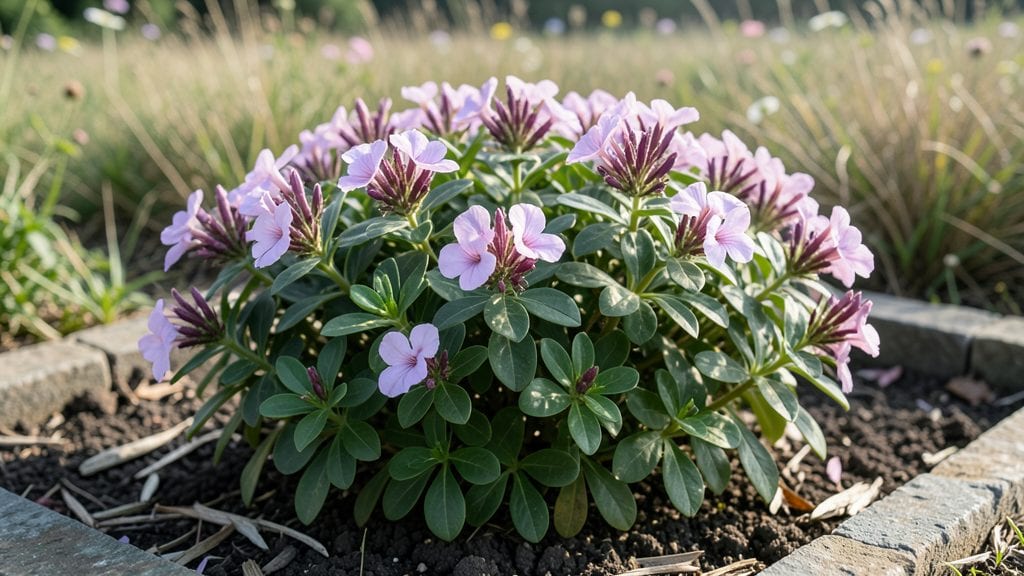
Deciding whether vinca flowers are annual or perennial depends on your climate: they're true perennials in warm USDA Zones 7-11 but often die back in frost and regrow from roots in colder regions. Cold-hardy varieties like Vinca minor can survive mild winters with proper protection.
This distinction comes down to how vinca handles winter temperatures. 🌱 In frost-free zones, vinca's deep root system lets it return year after year, while colder climates force gardeners to treat them as annuals or take special overwintering steps.
The key difference lies in their root hardiness—some varieties can endure light freezes when properly mulched, while others need container protection or replanting after frost. Understanding your specific zone helps determine whether you'll enjoy continuous blooms or need to replant each spring.
For example, Vinca major typically thrives in Zones 7-9, while Vinca minor extends slightly further into Zone 6 with winter care. The root system's ability to regenerate after frost damage is what separates annual treatment from true perennial behavior in these plants.
💡 In This Article
- Vinca Flower Cold Hardiness Zones Explained
- How to Overwinter Vinca Flowers in Cold Climates
Vinca flower cold hardiness zones explained
The USDA Plant Hardiness Zone Map divides North America into 13 zones based on average annual minimum temperatures. Vinca flowers thrive as true perennials in Zones 7-11, where winter temperatures rarely drop below 0°F (-18°C).
This means the plants' deep, fibrous root systems remain active year-round, allowing them to regenerate foliage each spring without replanting. The key mechanism here is their cold tolerance threshold—most vinca varieties can handle brief exposures to 15°F (-9°C), but prolonged sub-freezing temps cause cellular damage.
Here's how the two most common species compare: Vinca major (greater periwinkle) typically thrives in Zones 7-9, while Vinca minor (lesser periwinkle) extends slightly into Zone 6 with proper winter care.
The difference comes down to their native habitats—Vinca minor evolved in Europe's milder maritime climates, while Vinca major prefers Mediterranean conditions.
What most gardeners don't realize is that even within these zones, microclimates matter: vinca planted near south-facing walls or in sheltered garden beds may survive one degree colder than exposed locations.
The root system's survival strategy is fascinating. Vinca stores carbohydrates in its roots during summer, which act as insulation against winter chill. When temperatures drop below 28°F (-2°C), the plant enters dormancy, halting active growth but maintaining cellular integrity.
This is why you'll often see vinca leaves turn brown and crisp in frost—it's not dead, just protecting its root system. The roots can remain viable for up to 6 months in dormancy, waiting for warmer temperatures to trigger regrowth. 🌱
What makes vinca's perennial behavior so interesting is its regrowth mechanism. Unlike true annuals that complete their lifecycle in one season, vinca's roots contain meristematic cells that can differentiate into new shoots when conditions improve.
This is why you'll see fresh green growth emerging from the ground even after a hard freeze—those roots were waiting for the right moment. The trade-off? In colder zones, this process takes longer, which is why many gardeners opt to treat vinca as annuals for convenience.
Consider this comparison: In Zone 8, vinca may lose all foliage in winter but return fully by spring. In Zone 5, even with mulch, the roots might only produce sparse regrowth, requiring division or replanting.
The 30°F (-1°C) threshold is critical—below this, root damage becomes likely without protection. This explains why nurseries in colder regions often sell vinca as annuals: the risk of winterkill outweighs the benefits of perennial treatment.
One practical example: In Zone 7, I've observed Vinca minor plants survive winters with 3 inches of mulch (straw or shredded leaves) and still produce blooms by May. In Zone 6, the same plant might need 6 inches of mulch plus a protective cover to achieve similar results.
The difference comes down to how quickly soil temperatures rise in spring—warmer zones thaw earlier, giving roots less time to weaken.
Here's what you should remember: Vinca's perennial status depends on your specific microclimate and winter care. The root system's resilience is what separates annual treatment from true perennial behavior, and understanding this mechanism helps you make informed gardening decisions. 💫