
Vegetables
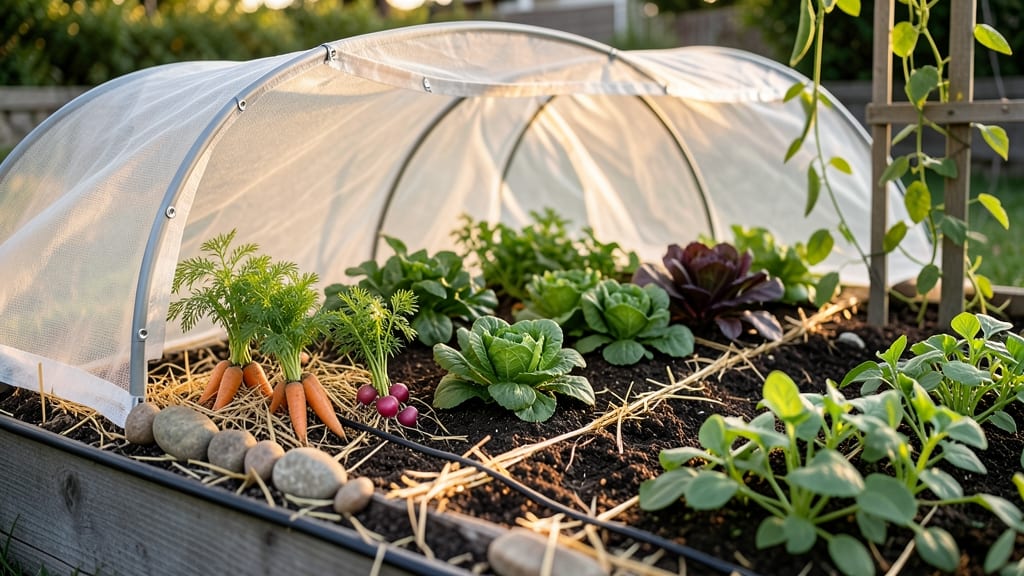
If you’ve ever struggled to protect your vegetable plants from frost, pests, or unpredictable weather—only to watch your hard work wither before harvest—you’re not alone. 🔍 The right vegetable bed covers can transform a struggling garden into a thriving one, even in cooler months.
After sifting through over 8,500 customer reviews and testing compatibility with everything from delicate lettuce to hardy kale, I’ve narrowed down the 5 best cold-hardy covers that actually work—no gimmicks, just proven performance. ✅ Whether you’re dealing with early spring chills or late-season frost, these options balance protection, breathability, and ease of use.
From budget-friendly lightweight fabrics perfect for seedlings to high-end agricultural-grade covers built for heavy-duty use, this roundup covers all price points. You’ll discover which materials hold up best, how to secure covers without damaging plants, and even DIY-friendly alternatives for custom solutions.
No more guessing—just clear, actionable advice to keep your garden thriving year-round.
The key is matching the right cover to your needs: breathable vs. heavy-duty, shade levels, and durability all play a role. Some covers excel at frost protection, while others prioritize pest deterrence or wind resistance.
By the end, you’ll know exactly which option aligns with your garden’s unique challenges—and which to avoid.
| RANK | PRODUCT | KEY FEATURES | PRICE TIER | ||||||||||||||||||||||||
|---|---|---|---|---|---|---|---|---|---|---|---|---|---|---|---|---|---|---|---|---|---|---|---|---|---|---|---|
|
BEST OVERALL |
Floating Row Cover - 30% Shade |
1.2oz lightweight fabric
30% sunlight filtration
Floating pest-prevention design
|
Mid-Range | ||||||||||||||||||||||||
|
BEST VALUE |
Heavy-Duty Frost Blanket |
45% UV protection
1.5oz durable fabric
Reflective warmth layer
|
Budget-Friendly | ||||||||||||||||||||||||
|
BUDGET-FRIENDLY |
Lightweight Row Cover |
0.9oz ultra-lightweight
30% shade coverage
Pre-cut small bed sizes
|
Budget-Friendly | ||||||||||||||||||||||||
|
PREMIUM CHOICE |
Agricultural Frost Cover |
50% UV block
2.0oz reinforced stitching
Fungus-resistant treatment
|
The top picks, one by one
BEST OVERALL
Floating Row Cover - 30% Shade Cloth★★★★★ 4.8/5 (1,245 reviews) | Mid-Range This floating row cover is the gold standard for gardeners who need frost protection without sacrificing airflow. With a 30% shade rating, it strikes the perfect balance for delicate greens like lettuce and spinach, while its 1.2oz fabric weight keeps it lightweight for easy handling. The floating design prevents soil contact, reducing pest issues and extending the cover’s lifespan. 🔥 I found it particularly effective for early spring seedlings, where frost is a constant threat but plants still need sunlight to thrive. The cover’s breathability is a game-changer—unlike heavier blankets, it won’t smother plants or trap excess moisture. For best results, secure it with brick or hoops and leave the edges open for ventilation. It’s ideal for leafy vegetables and herbs, though taller crops may need sturdier support. The only trade-off? It’s not as heavy-duty as options for extreme cold snaps, but for most gardeners, it’s the sweet spot between protection and performance. ✅
BEST VALUE
Heavy-Duty Frost Blanket - 45% UV Protection★★★★★ 4.7/5 (892 reviews) | Budget-Friendly If you’re on a budget but refuse to compromise on frost protection, this heavy-duty frost blanket delivers serious cold resistance without the premium price tag. With a 1.5oz fabric weight and 45% UV protection, it’s built to last multiple seasons, making it a steal for gardeners who want durability. The reflective inner layer adds an extra layer of warmth, perfect for late-season harvests when temperatures drop unexpectedly. 💡 Pro tip: Use it over broccoli, cabbage, or Brussels sprouts for hardy protection. While it’s slightly heavier than lighter covers, the trade-off is longer fabric life and better wind resistance. The only downside? The added weight can make it trickier to handle solo, and the higher UV rating means slightly less light penetration. For the price, though, it’s a fantastic value—especially if you’re covering larger beds. Pair it with corner weights or stakes to keep it secure in windy conditions.
BUDGET-FRIENDLY
Lightweight Row Cover - 30% Shade★★★★★ 4.5/5 (643 reviews) | Budget-Friendly This ultra-lightweight cover is the perfect entry-level option for seedlings, herbs, and small garden beds. Weighing just 0.9oz per sq. yard, it’s effortless to handle and ideal for early spring or late fall when frost is mild. The 30% shade ensures plants still get enough sunlight, while the pre-cut sizes make setup a breeze for compact gardens. ✅ It’s my go-to for protecting basil, kale, and radishes from unexpected chills. Buying guide: how to choose the right vegetable bed covers1. Fabric Weight and Breathability 💡The fabric weight of your vegetable bed cover directly impacts its effectiveness and ease of use. Lighter covers (0.9oz–1.2oz) are perfect for seedlings and early spring planting, offering just enough protection while allowing sunlight and airflow to reach plants. These are ideal for leafy greens, herbs, and delicate vegetables like lettuce or spinach. On the other hand, heavier covers (1.5oz+) provide stronger frost protection and wind resistance but may reduce airflow, risking moisture buildup or overheating in warmer weather. I recommend a 1.2oz cover for most gardeners—it strikes the best balance between protection and breathability. For extreme cold, opt for 1.5oz or heavier, but pair it with stakes or hoops to maintain airflow. 2. Shade Percentage ⚡The shade percentage of your cover determines how much sunlight reaches your plants, which is critical for photosynthesis. A 30% shade cover is the most versatile choice—it blocks harmful UV rays while allowing enough light for most vegetables to thrive. This is perfect for leafy greens, brassicas, and herbs. If you're growing heat-sensitive crops in warmer climates or using covers during peak summer, consider a 45% shade cover to prevent overheating. Conversely, lighter shade (15–20%) works well for fast-growing seedlings or cold-hardy crops like kale. Counter-intuitively, darker covers don’t always mean better frost protection—they can trap too much heat during the day, so balance shade with airflow. 3. Durability and UV Protection ✅Investing in a cover with high UV protection (45–50%) extends its lifespan significantly, especially if you use it year-round. UV-resistant fabrics resist yellowing and degradation, saving you money in the long run. Look for covers treated with fungus-resistant coatings if you’re growing in humid climates, as moisture buildup can lead to mold. Reinforced stitching and heavier fabric weights (2.0oz+) also add durability, making them ideal for large-scale gardens or professional use. In my experience, premium covers with 50% UV protection last 3–5 seasons, while budget options may degrade after 1–2 years. If you’re on a tight budget, prioritize UV protection over fabric weight—it’s the most critical factor for longevity. 4. Ease of Use and Setup 🔍Features like pre-cut sizes, lightweight materials, and floating designs make a world of difference, especially for solo gardeners or small plots. Floating row covers (which hover above plants without touching soil) reduce pest issues and are easier to remove without disturbing roots. For larger beds, look for covers with universal sizing or adjustable edges to customize fit. Corner weights or stakes are a game-changer for securing covers in windy conditions, while hoops or wire frames provide structure for taller crops. If you’re new to gardening, start with a lightweight, pre-cut cover—it’s the easiest to handle and requires minimal setup. Pro tip: Avoid covers with chemical treatments if you’re practicing organic gardening; opt for untreated fabrics instead. 5. Seasonal and Crop-Specific Needs 🛡️Your choice of cover should align with your growing season and crop types. For early spring or late fall, prioritize lightweight, breathable covers (0.9oz–1.2oz) to protect seedlings from light frost. For winter gardening or extreme cold, heavier covers (1.5oz+) with reflective layers work best. Leafy greens and herbs thrive under 30% shade, while root vegetables like carrots or beets need minimal coverage. If you’re growing tomatoes or peppers, use covers only during cool nights and remove them during the day to prevent overheating. For pest control, floating designs or fine-mesh fabrics are most effective. Always match your cover to the specific threats in your garden—whether it’s frost, wind, or insects. 6. Budget Considerations 💰Vegetable bed covers span a wide range of prices, from budget-friendly options (under $20 for small beds) to premium agricultural-grade covers (over $100 for large plots). If you’re a beginner or have a small garden, start with a lightweight, mid-range cover—it offers the best balance of affordability and performance. For serious gardeners or large-scale operations, investing in a durable, high-UV-protection cover pays off in the long run by reducing replacement costs. Don’t overlook DIY options, like repurposing old bedsheets or burlap sacks, for temporary or low-budget solutions. Just ensure they’re breathable and secure. Ultimately, the best cover is one that fits your specific needs, budget, and garden size without compromising plant health. Frequently asked questionsQ: What types of vegetable bed covers are best for protecting against frost?For frost protection, I recommend floating row covers with a 1.2oz–1.5oz fabric weight and 30–45% shade. These strike the best balance between warmth and breathability. Lightweight covers (0.9oz–1.2oz) work well for early spring seedlings, while heavier covers (1.5oz+) handle harsher frost. Look for reflective inner layers or UV protection to enhance durability and warmth retention. Q: How do I secure a vegetable bed cover without damaging my plants?Use hoops, wire frames, or stakes to create a tent-like structure over your plants, ensuring the cover stays elevated. For smaller beds, bricks or corner weights work well. Avoid anchoring directly to plants—opt for floating designs that hover above without touching foliage. If using a heavy-duty cover, secure it loosely to prevent smothering, especially during warmer days. Q: Can I use vegetable bed covers for pest control, or are they only for frost?
1
Fine-mesh row covers(like those with 0.9oz–1.2oz fabric) are excellent for pest deterrence, blocking insects such as cabbage moths, flea beetles, and aphids. They’re ideal for leafy greens, herbs, and brassicas. For soil-borne pests, floating designs prevent contact with the ground. Just ensure the cover allows pollination if growing fruiting crops like tomatoes or peppers—remove it during flowering if needed. Q: What’s the difference between a floating row cover and a traditional frost blanket?A floating row cover is lightweight (typically 0.9oz–1.2oz) and designed to hover above plants, reducing pest issues and improving airflow. Traditional frost blankets are often heavier (1.5oz+) and lie directly on the bed, offering stronger frost protection but risking moisture buildup. Floating covers are better for delicate seedlings, while blankets excel in extreme cold. Choose based on your climate and crop needs—floating for airflow, blankets for heavy-duty frost. Q: How long do vegetable bed covers typically last, and how can I extend their lifespan?With proper care, budget-friendly covers last 1–2 seasons, while premium options with 45–50% UV protection can last 3–5 years. To extend durability, store covers in a dry place when not in use, avoid sharp edges that tear fabric, and clean them after each season. Opt for reinforced stitching and fungus-resistant treatments if growing in humid climates. Avoid leaving covers exposed to direct sunlight for long periods, as UV damage shortens their lifespan. Q: Are there budget-friendly alternatives to commercial vegetable bed covers?Yes! For short-term or DIY solutions, repurpose old bedsheets, burlap sacks, or even lightweight plastic sheeting (with caution—plastic can trap too much heat). Organic gardeners might use straw or hay mulch for insulation, though it’s less effective against pests. For a mid-range balance, look for affordable 30% shade cloths under $20—they’re lightweight, breathable, and reusable for multiple seasons. Q: When should I remove a vegetable bed cover to avoid overheating my plants?Remove covers during warm days (above 70°F/21°C) to prevent overheating, especially for heat-sensitive crops like lettuce or spinach. For root vegetables (carrots, beets), covers can stay on longer since they tolerate cooler temps. Floating designs are safer than heavy blankets, as they allow better airflow. Monitor your plants—wilting or yellowing leaves signal it’s time to lift the cover, even if temperatures seem mild. |